






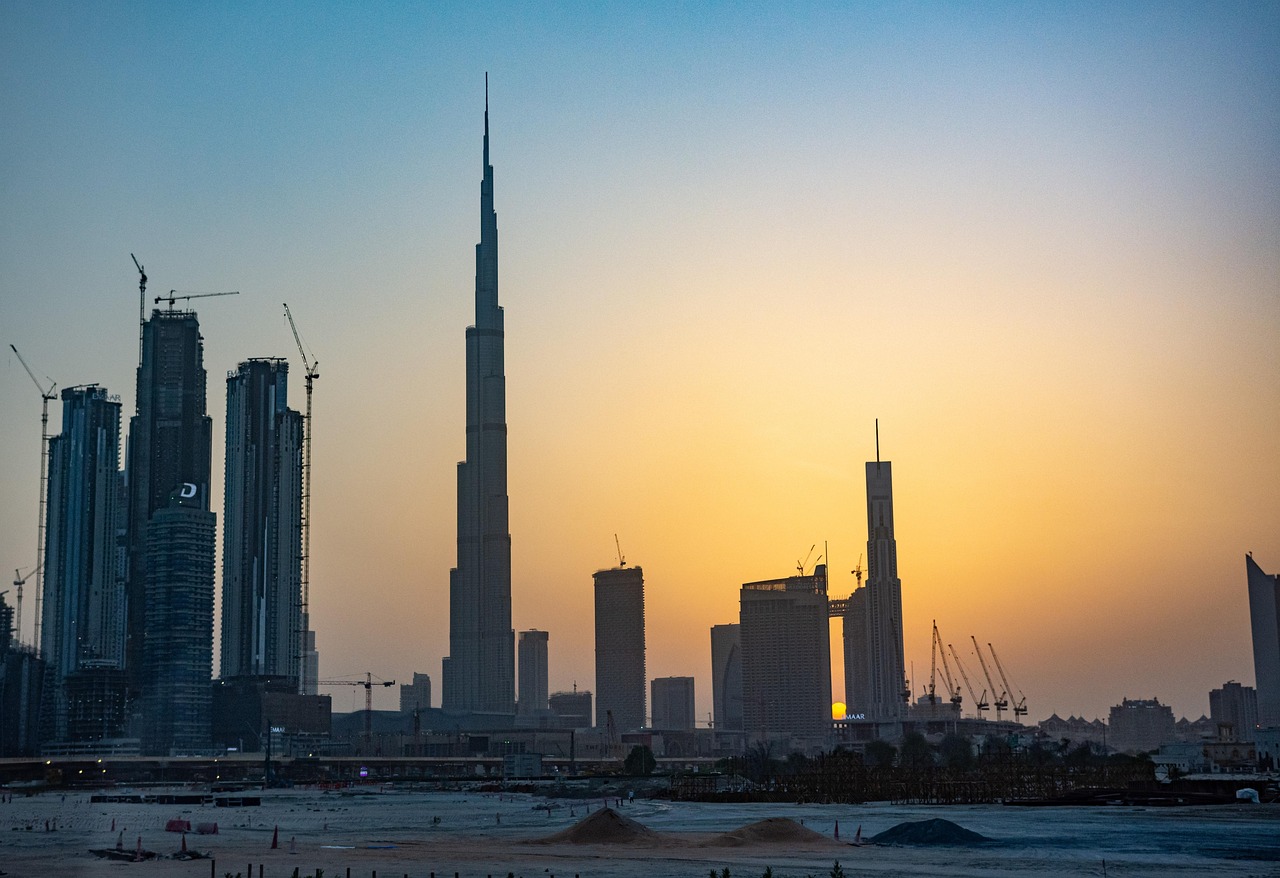

Setting up one of the best businesses for expats in UAE is a realistic goal if you match your skills to local demand and understand the legal landscape. The UAE—especially Dubai and Abu Dhabi—offers strong infrastructure, a high-spending resident and tourist population, and business-friendly free zones that simplify company formation. Popular choices for expats include e-commerce, hospitality, professional services, property management, and healthcare-related ventures.
Which business will work for you depends on capital, industry experience, and how quickly you want to begin trading. Many expats start low-overhead online businesses or service firms, then scale into retail, F&B, or franchising. Before committing, check licensing and visa rules with the relevant free zone authority or the Department of Economic Development in the emirate where you plan to operate.
Quick Answer
The best businesses for expats in UAE are typically e-commerce and online retail, hospitality and boutique F&B concepts, professional services (consulting, accounting), property management and real estate services, healthcare and wellness clinics, logistics and last-mile delivery, and tech startups. Choose a free zone for 100% foreign ownership or a mainland structure if you need a local market presence; verify licensing and visa details with official authorities.
Key Takeaways
- Low-overhead online businesses and professional services are the fastest routes for many expats.
- Free zones offer 100% foreign ownership; mainland companies often need a local sponsor for certain activities.
- Dubai and Abu Dhabi are the largest markets, with Sharjah and Ras Al Khaimah providing lower-cost alternatives.
- Understand licensing, office requirements, and banking before committing funds.
- Plan a scouting trip to meet authorities, find suppliers, and vet locations—check official sources for visa and legal updates.
Why the UAE Attracts Expat Entrepreneurs
Strategic location between Europe, Asia, and Africa, combined with world-class airports—Dubai International (DXB) and Abu Dhabi International (AUH)—makes the UAE a natural trading and logistics hub. High tourist arrivals and expatriate populations create demand for hospitality, retail, and specialized services.
Important infrastructure like modern ports, extensive couriers, and fast internet supports e-commerce and tech startups. Tax incentives and simplified company formation in free zones further encourage foreign entrepreneurs, but local regulations and commercial practices vary by emirate.
Top 10 Best Businesses for Expats in UAE
E-commerce and Online Retail
Why it works: Low initial overhead, wide customer reach, and strong consumer appetite for electronics, fashion, and niche products. Use marketplaces like Noon and Amazon.ae plus your own website.
Practical tip: Register in a free zone focused on e-commerce or digital trade and secure a reliable courier partner for last-mile delivery in Dubai, Abu Dhabi, and nearby emirates.
Hospitality, Boutique Hotels and Short-Term Rentals
Why it works: High tourist footfall to malls, beaches, and cultural sites creates demand for boutique stays and short-term accommodation. Areas such as Dubai Marina and Downtown Dubai are popular.
Mistake to avoid: Don’t assume any property can be used for short-term rentals—check municipality rules and licensing for holiday homes before listing.
Restaurant Concepts and Specialty Cafés
Why it works: Diverse population and dining-out culture support unique dining formats—healthy fast-casual, specialty coffee, and ethnic cuisine. Location is critical: malls, business districts, and tourist corridors perform differently.
Tip: Franchise options can reduce risk if you prefer an established brand and support system.
Real Estate Services and Property Management
Why it works: Large rental markets and investor activity create steady demand for property management, leasing, and sales support. Expats who understand local landlords and tenant laws can add value.
Practical note: Licensing and membership in local real estate regulatory authorities are usually required for brokerage activity.
Professional Services — Consulting, Accounting, Legal, Marketing
Why it works: Businesses in the UAE often outsource specialized work. Consultants with regional experience—finance, HR, digital marketing—can start with minimal setup costs.
Tip: Use a free zone company for 100% ownership and position services to both local firms and international clients based in the UAE.
Healthcare, Wellness, and Specialized Clinics
Why it works: Growing demand for high-quality private healthcare, dental, physiotherapy, and wellness services from residents and medical tourists. Abu Dhabi and Dubai host many international insurers.
Mistake to avoid: Healthcare entails strict licensing, facility standards, and professional credential checks—consult health authority guidelines early.
Education and Tutoring Centers
Why it works: Expat families value supplemental tutoring, language schools, and skill-based training. Niche offerings—STEM camps, exam prep, children’s enrichment—do well in residential neighborhoods.
Tip: Partner with schools or community centers to pilot after-school programs before leasing a permanent venue.
Logistics, Warehousing and Last-Mile Delivery
Why it works: Rapid e-commerce growth drives need for reliable warehousing and last-mile solutions. Free zones near ports or airports can reduce transit times.
Practical step: Map your supply chain around Jebel Ali Port and Dubai logistics corridors to minimize delays.
Tech Startups and Software as a Service (SaaS)
Why it works: Demand for digital tools in finance, real estate, and hospitality makes SaaS attractive. A tech-friendly free zone can help with talent and networking.
Tip: Consider accelerators and co-working spaces in Dubai Internet City or Abu Dhabi’s Hub71 to access mentorship and potential investors.
Franchise Ownership and Specialty Retail
Why it works: Franchises give instant brand recognition and operational systems, valuable in competitive urban malls and neighborhood centers. Popular in Dubai and Abu Dhabi malls.
Mistake to avoid: Don’t underestimate royalty fees and location rents; negotiate territory and support clauses before signing.
Free Zone vs Mainland: Which Is Better for Expats?
Free zones allow 100% foreign ownership and simplified setup but restrict direct trading to the UAE mainland unless you appoint a local distributor. Mainland companies can trade across the emirates and access government contracts but may require a UAE national sponsor for certain activities.
- Free zones: ideal for e-commerce, tech, consulting, media, and export businesses.
- Mainland: preferable if you need to deal directly with UAE-based clients, government tenders, or retail on the local market.
Practical Steps to Start Your Business in the UAE
- Decide on the business activity and check if it needs professional approvals (e.g., healthcare, education).
- Choose free zone vs mainland based on market access and ownership needs.
- Obtain a trade license and register with the relevant authority; prepare required documents and passports.
- Secure a local bank account—be prepared for KYC checks and in-person appointments.
- Rent an office or flex-desk as required by the license type and hire local staff with an understanding of labor laws.
Best Tips for Planning Your Trip
Schedule a scouting trip to Dubai and Abu Dhabi to meet free zone authorities, landlords, and suppliers. Allow time for in-person bank meetings and licensing appointments. Stay near business hubs—Dubai Marina, Business Bay, or Abu Dhabi’s downtown—to cut travel time between meetings.
Bring original documents, translations if needed, and a clear list of questions about office space, visas, and licensing. Compare several free zones and mainland options before paying any fees. Always verify visa, licensing, and residence rules with the official government portal or free zone authority since rules change.
Who Is This Best For?
The best businesses for expats in UAE are suited to entrepreneurs who can adapt to a multicultural market, navigate local regulations, and build local partnerships. Low-capital businesses suit digital nomads and consultants, while those with larger budgets can pursue hospitality, retail, or healthcare ventures.
Mistakes to Avoid When Starting as an Expat
- Skipping due diligence on local licensing and municipality approvals.
- Underestimating rental, utility, or staffing costs in key emirates.
- Failing to open a local bank account or assuming instant approvals—banking can take time.
- Overlooking cultural norms in marketing and hiring decisions.
Quick Comparison Table: Business Types and Best Cities
| Business Type | Best City | Why It Works |
|---|---|---|
| E-commerce | Dubai | Large consumer market and logistics network. |
| Hospitality / F&B | Dubai, Abu Dhabi | High tourist numbers and business travel. |
| Professional Services | Dubai, Abu Dhabi | Many regional headquarters and expatriate clients. |
| Healthcare & Wellness | Abu Dhabi, Dubai | Growing private healthcare demand and insurers. |
Is It Worth It?
Yes—if you plan carefully and choose a business that fits your expertise, budget, and tolerance for regulatory complexity. The UAE offers lucrative markets, infrastructure, and business support, but success depends on location choice, licensing compliance, and local partnerships.
If you value quick setup with minimal local bureaucracy, start with a service- or online-based company in a free zone. For long-term retail or government contracting, factor in mainland requirements and possibly higher initial investment.
Conclusion
Choosing one of the best businesses for expats in UAE means balancing market opportunity with practical constraints like licensing, visas, and local partnerships. E-commerce, hospitality, professional services, real estate, healthcare, logistics, and tech remain reliable sectors for foreign entrepreneurs. Visit the emirates, meet authorities, and verify rules with official sources before committing capital—then scale thoughtfully as you learn the market.
Frequently Asked Questions
What business types are easiest for expats to start in the UAE?
Service-based and online businesses are typically easiest to start because they require lower overhead and can often be licensed in free zones with streamlined procedures. These include consulting, digital marketing, freelancing, and e-commerce, which allow quick market entry while you learn local regulations.
Can an expat own 100% of a UAE company?
In many free zones, yes—expats can own 100% of their company. Mainland rules have evolved recently; some sectors now allow full foreign ownership, but requirements vary by activity and emirate, so check the relevant free zone authority or Department of Economic Development.
Which emirate is best for startups and tech businesses?
Dubai and Abu Dhabi both support startups well—Dubai for scale, access to international markets, and networking (Dubai Internet City and DIFC), and Abu Dhabi for funding ecosystems and hubs like Hub71. Choose based on your sector, investor access, and talent pool needs.
Do I need a physical office to operate in the UAE?
License rules differ: some free zones allow flex-desks and virtual offices, especially for freelancers and small companies, while others and many mainland licenses require a physical office. Confirm office space requirements when applying for a trade license.
How long does company registration take in the UAE?
Processing times vary by free zone and business activity; some free zones can register a company within days, while mainland setups or regulated activities may take longer. Always allow extra time for bank account opening and any agency approvals.
Are franchising opportunities a good option for expats?
Franchising can be a lower-risk route if you prefer an established brand, training, and operational systems. However, initial fees, ongoing royalties, and high retail rents in prime locations should be carefully evaluated before signing.
What mistakes should expats avoid when launching a business in the UAE?
Common mistakes include overlooking licensing specifics, underestimating office or mall rents, skipping local market research, and not verifying visa or labor rules. Planning with local advisors and visiting in person helps prevent costly errors.
Where can I find official information on licenses and visas?
Official sources include the specific emirate’s Department of Economic Development, the relevant free zone authority (e.g., DMCC, DIFC, JAFZA), and federal government portals. Always consult these authorities or a licensed corporate service provider for up-to-date legal and visa guidance.