







Enhancing Fiscal Oversight in Bahrain
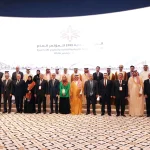
The leadership in Bahrain continues to emphasize the significance of robust financial oversight, with a focus on effective public fund management. Recent meetings among key officials highlighted the ongoing commitment to enhancing transparency and accountability in governmental financial operations. These discussions took place during a meeting between Ahmad bin Salman Al-Musallam, the Chairman of the House of Representatives, and Ahmed bin Mohammed Al-Khalifa, the Chairman of the Bureau of Financial and Administrative Audit.
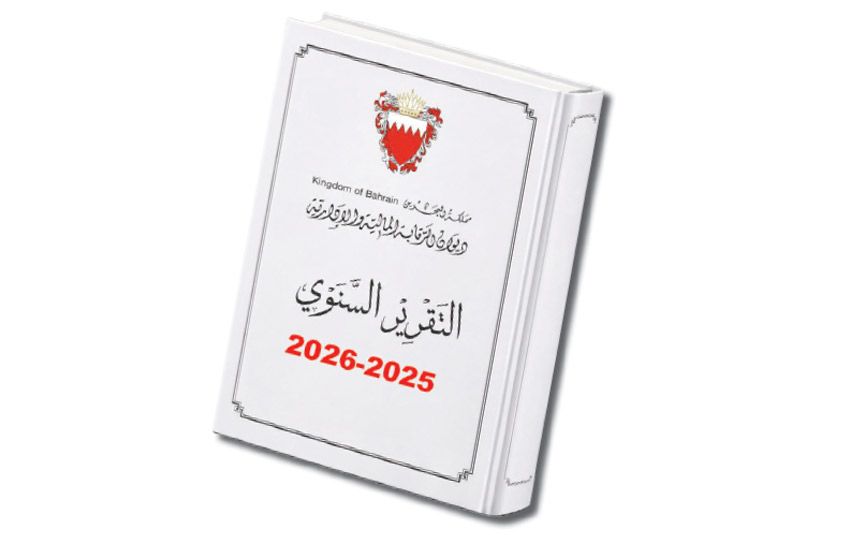
During their meeting, the officials reviewed the 23rd annual report of the Bureau, which details its activities and achievements for the fiscal year 2025/2026. The report indicates substantial progress in improving fiscal management and oversight, underscoring the vital role that effective auditing practices play in achieving the kingdom’s national development objectives.
Commitment to Accountability and Transparency
Al-Musallam affirmed the need for continued vigilance in oversight efforts, asserting that sustained action is crucial for maximizing the efficacy of public funds. He pointed out that the Bureau’s audits contribute significantly to the House of Representatives’ ability to fulfill its monitoring responsibilities effectively. The emphasis on utilizing annual reports underlines Bahrain’s commitment to legal accountability and transparency.
In his remarks, Al-Musallam praised the remarkable achievements of the Bureau, noting that its auditing teams conducted approximately 95 tasks during the reporting year, producing around 134 reports and making over 1,052 recommendations. The high implementation rate of 96.3% for the suggestions indicates a strong commitment from relevant governmental bodies to address the issues identified.
Strengthening Institutional Performance
Ali bin Saleh Al-Saleh, the Chairman of the Shura Council, echoed Al-Musallam’s sentiments regarding the Bureau’s essential role in enhancing government service efficiency. He emphasized that the Bureau fosters an environment of accountability based on the principles of transparency and integrity, which are critical for sustaining Bahrain’s development milestones.
Al-Saleh commended the Bureau’s thorough auditing procedures, which have led to significant improvements in governmental practices. He acknowledged that the absence of major findings in the council’s operations during the Bureau’s audits reflects the institution’s commitment to compliance with established regulations and standards.
Future Directions in Fiscal Audit Practices
Looking ahead, both Al-Musallam and Al-Saleh emphasized the necessity of continued collaboration between the Bureau and the legislative bodies. They highlighted the importance of adopting modern audit techniques and risk assessment tools to enhance the overall effectiveness of the Bureau’s operations.
Furthermore, the Bureau, under the leadership of Ahmed bin Mohammed Al-Khalifa, aims to strengthen its methodologies, ensuring they keep pace with evolving challenges in the fiscal landscape. Al-Khalifa noted that the ongoing training for technical staff and the integration of internationally recognized certifications contribute to building national capacity in financial auditing.
Conclusion
As Bahrain moves forward with its agenda of financial accountability, stakeholders anticipate further developments in audit practices and fiscal oversight. The collaborative efforts of the Bureau and the legislative bodies will be critical in monitoring and improving public fund management for the foreseeable future. Observers are encouraged to watch for upcoming reports detailing progress and initiatives aimed at enhancing the efficiency of government operations.