






Kuwait’s Commitment to Social Protection and Family Support
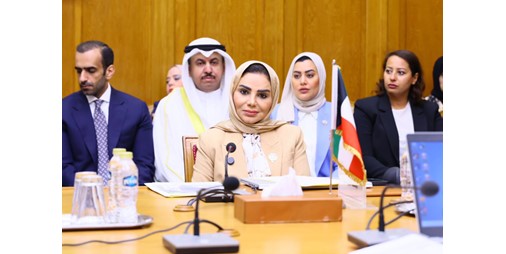
Kuwait has reaffirmed its commitment to enhance social protection and support family welfare, especially for women, people with disabilities, and the elderly. During the 84th session of the Executive Bureau of the Council of Arab Ministers of Social Affairs held in Cairo, the Minister of Social Affairs and Family and Childhood, Dr. Amal Al-Hulaifa, highlighted various initiatives aimed at addressing social challenges and promoting community welfare.
In her address, Dr. Al-Hulaifa emphasized the importance of regional cooperation to combat multi-dimensional poverty through practical programs with clear objectives. She pointed to ongoing legislative updates in Kuwait aimed at reinforcing social services and protective measures for vulnerable populations.
Legislative Updates and Family Protection Initiatives
As part of its commitment to social reform, Kuwait is actively updating its legislative framework to better protect its citizens. Dr. Al-Hulaifa indicated that the government has introduced amendments related to family violence prevention, drug abuse control, and new regulations to support volunteer work and media organization. Furthermore, the cabinet recently approved a comprehensive family protection program, which aims to stabilize families through collaborative efforts involving various ministries and state institutions.
This family protection initiative will be monitored by the Higher Council for Family Affairs to ensure the effective coordination of initiatives and to assess their outcomes and challenges. This proactive approach reflects Kuwait’s strategic direction in fostering familial stability and societal well-being.
Women’s Empowerment and Community Initiatives
Another focal area revealed by Dr. Al-Hulaifa was Kuwait’s dedication to empowering women through training and entrepreneurship. The country is promoting small businesses and has launched the “Boutique 33” initiative to support productive families. Additionally, a committee for women’s affairs has been established to monitor national efforts alongside international benchmarks.
Moreover, the introduction of the “Kuwait Award for Women’s Excellence” under the patronage of Prime Minister Sheikh Ahmad Al-Abdullah signifies a robust commitment to enhancing women’s roles in developmental processes. Such initiatives aim to highlight and elevate the contributions of women within Kuwaiti society.
Support for Persons with Disabilities and the Elderly
The efforts to safeguard the rights and improve the quality of life of persons with disabilities were also underscored during the minister’s address. The National Committee for Monitoring the Implementation of the Rights of Persons with Disabilities is focused on ensuring access to education, employment opportunities, and essential assistive devices. Furthermore, the Kuwaiti government has launched an award to recognize creativity among individuals with disabilities, promoting their inclusion and independence.
In tandem with these efforts, specialized services for senior citizens are being developed. This includes enhancing their dignity and independence, which aligns with the global understanding of elder care as an essential component of social development.
Digital Transformation in Social Services
Recognizing the critical role of technology, Dr. Al-Hulaifa stressed the importance of leveraging digital transformation to improve service delivery and accessibility while safeguarding privacy and data security. This is particularly vital in ensuring that all citizens can access necessary services efficiently.
Regional Solidarity and Future Steps
In her concluding remarks, Dr. Al-Hulaifa highlighted the necessity of enhancing Arab solidarity, particularly in light of the current regional circumstances. She called for greater support for nations and communities afflicted by crises, particularly the Palestinian population, emphasizing the urgent need to protect children, families, and the most vulnerable groups.
As Kuwait continues to collaborate with Arab states and the Arab League’s General Secretariat, the minister expressed hope that the outcomes of the Executive Bureau’s activities would lead to actionable decisions during the upcoming 46th session of the Council of Arab Ministers of Social Affairs. The aim is to establish clear implementation paths and ongoing evaluations that will translate into meaningful impacts on the lives of individuals throughout the Arab region.