






Dramatic Urban and Technological Evolution of Dubai
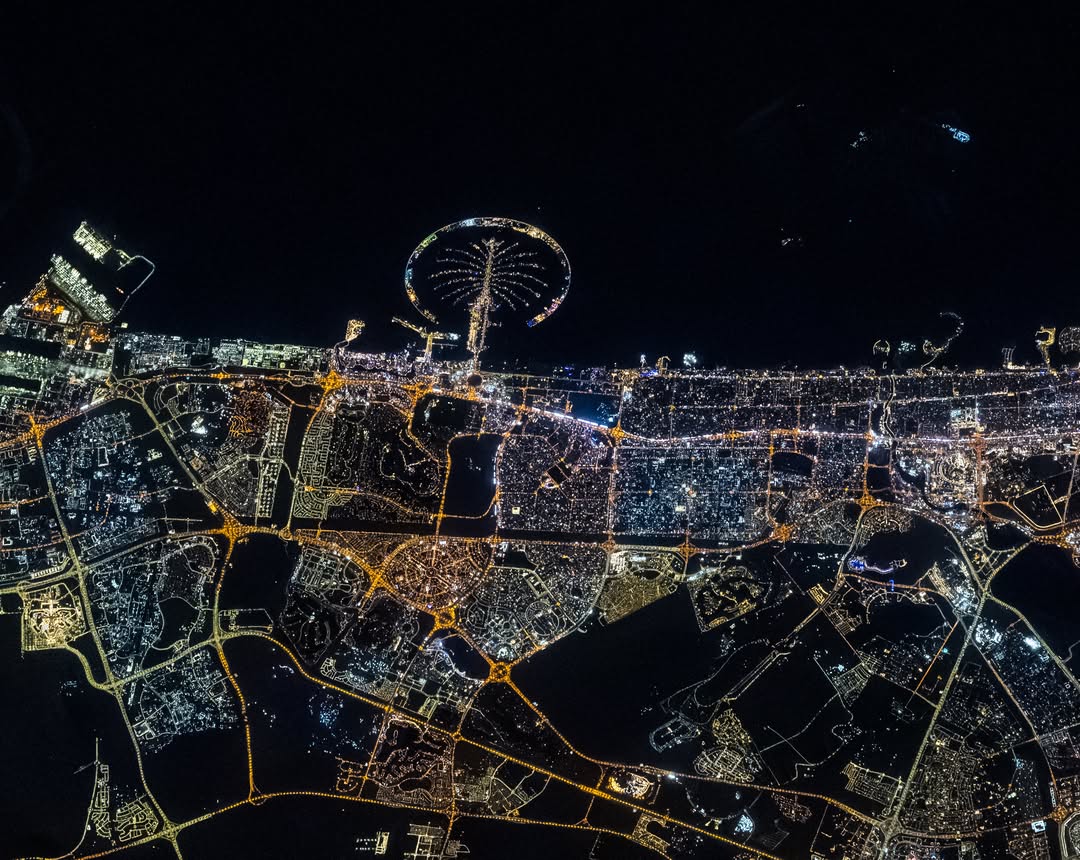
NASA astronaut Don Petit recently showcased the remarkable urban and technological evolution of the Emirate of Dubai over a span of 22 years. Through a visual comparison captured from the International Space Station, he highlighted significant developments in the city during the years 2003, 2012, and projections for 2025.
Petit shared insights via his Instagram account, illustrating how the lighting of Dubai has undergone a transformative change alongside the city’s accelerated growth in the past two decades. He noted the shift from traditional sodium and mercury vapor lamps to modern multi-colored LED lighting systems.
Visual Comparisons Over the Years
In his post, which garnered widespread engagement, Petit pointed out the historical transformation in Dubai’s skyline. Notably, he observed that the Palm Islands construction was only in its early stages in 2003. Today, these iconic man-made islands are prominent landmarks clearly distinguishable from outer space.
This visual evidence captivates not only space enthusiasts but also urban planners and architects eager to understand rapid developmental trends. The evolving landscape of Dubai showcases a blend of innovation and strategic urban planning that has placed the emirate on the global map.
The Impact of LED Technology on Urban Lighting
The transition to LED lighting represents a significant advancement in urban technology, with implications for energy efficiency and city aesthetics. According to urban development experts, the move towards sustainable energy solutions is essential, especially in regions experiencing rapid urbanization like Dubai.
Furthermore, the use of modern lighting systems not only enhances the city’s nighttime skyline but also contributes to reducing overall energy consumption. Improved lighting technology offers numerous advantages, including better visibility and enhanced safety for residents and tourists alike.
Future Developments in Dubai’s Urban Landscape
The ongoing urban evolution of Dubai raises questions about future developments. With plans for further expansion and innovation anticipated by 2025, it is likely that more stunning structures and advanced technological solutions will emerge. Observers are encouraged to monitor upcoming projects that will continue shaping Dubai into a leading global city.
As the city progresses, it becomes even more important for stakeholders to focus on sustainable practices and smart city initiatives. The growth trajectory of Dubai serves as a compelling case study for other urban centers worldwide aiming for transformative urban development.
Conclusion: Watching Dubai’s Evolution
As Dubai moves forward into the next phase of its urban and technological evolution, residents and global observers alike should prepare for groundbreaking innovations and infrastructural changes. The commitment to balancing growth with sustainability promises to redefine urban living in the years to come. Keeping an eye on this dynamic city could reveal significant trends beneficial for other regions striving for similar advancements.