






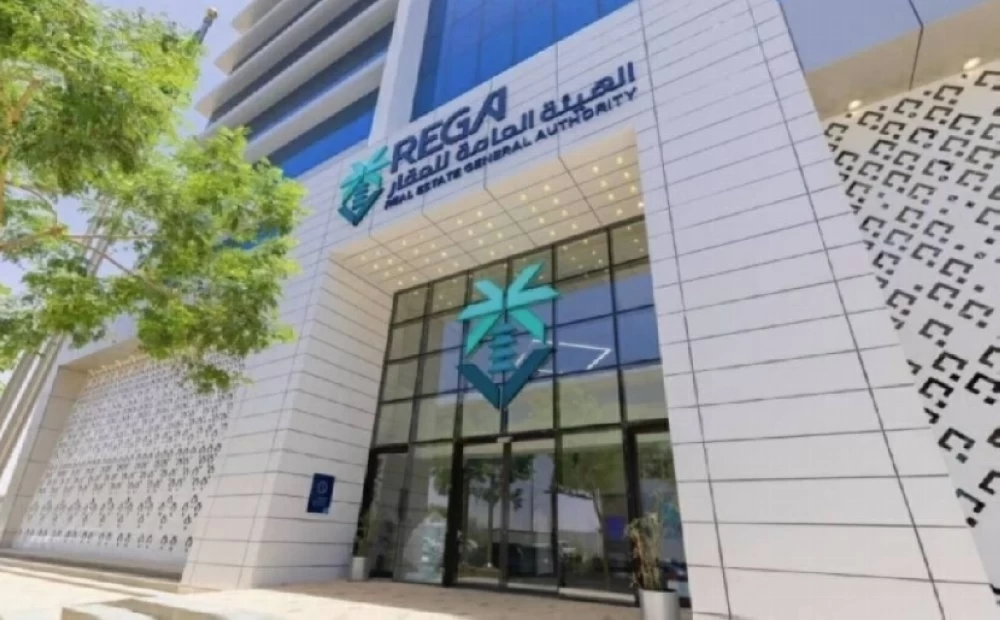

Regulatory Oversight Uncovers Real Estate Violations
In October, a series of regulatory campaigns led by the Real Estate Authority, in collaboration with various government entities, revealed numerous violations in the real estate sector. These infractions included conducting real estate brokerage activities without a valid license, failing to adequately verify information obtained from property owners or interest holders, and not disclosing the name or license number of the broker in property-related advertisements.
The Real Estate Authority has urged brokers and real estate service providers to comply with the regulations and provisions of the real estate brokerage law to avoid penalties. These penalties can range from warnings and license suspensions or revocations to fines of up to 200,000 Saudi Riyals.
Importance of Licensing in Real Estate Activities
Maintaining compliance with licensing regulations is critical in the real estate market. The absence of proper licensing not only undermines the integrity of the industry but can also lead to consumer fraud and financial loss. Real estate professionals are reminded of their obligation to verify the credentials of property listings and to be transparent in their dealings.
The regulatory body emphasizes that unlicensed brokers can create legal complications for themselves and their clients. Therefore, the risk of operating without the proper credentials is high. Real estate agents are advised to consistently ensure that they possess an active license and prominently display this information in all their advertising efforts.
Reporting Mechanisms for Real Estate Violations
Citizens and residents are encouraged to report any suspicions of real estate violations or fraud through the Real Estate Authority’s official platform. This initiative ensures that issues are addressed promptly and helps maintain an ethical framework within the industry.
In October alone, the authority’s enforcement teams conducted over 15,500 field audits on advertising boards and real estate offices. They also processed more than 1,300 real estate-related reports, actively addressing the issues brought to their attention. These efforts signify the authority’s commitment to upholding standards in the real estate sector.
Conclusion and Future Expectations
The recent crackdown on real estate violations highlights the emphasis on regulatory compliance in the sector. As these inspections continue, stakeholders must remain vigilant and adhere to established regulations. Looking forward, real estate practitioners and consumers should watch for upcoming measures from the Real Estate Authority aimed at enhancing industry transparency and accountability.
The ongoing efforts to enhance compliance will likely lead to more stringent policies and practices in the near future, fostering a safer environment for real estate transactions. Professionals in the sector should prepare for potential changes and ensure they stay informed about the evolving legal landscape.