






Bahrain’s Proposal for Maritime Security Gains International Support
During the 153rd General Assembly of the Inter-Parliamentary Union (IPU), Bahrain’s emergency proposal on maritime navigation was met with substantial backing. The assembly focused on ensuring freedom of navigation and maritime security in international waters, highlighting the increasing global concerns over trade routes.
Details of the Proposal and its Support
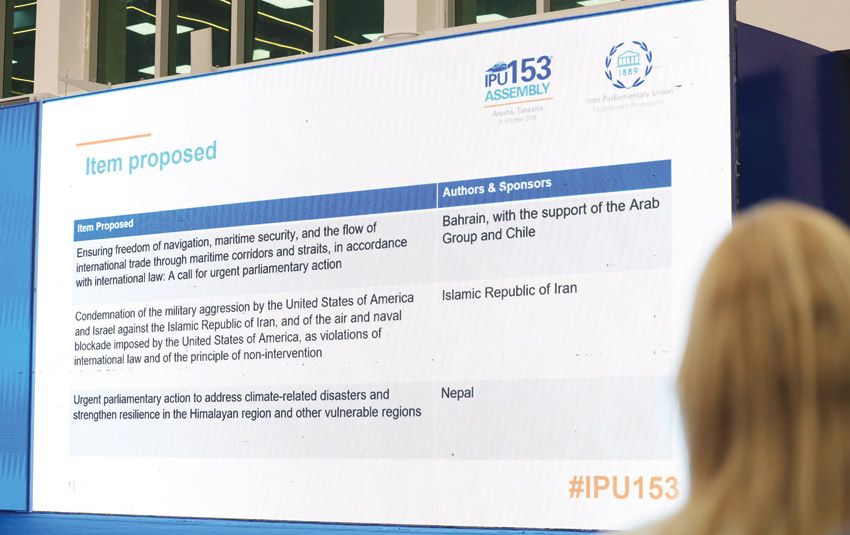
The proposal titled “Ensuring Freedom of Navigation and Maritime Security: A Call for Urgent Parliamentary Action,” received 877 votes in favor from participating parliamentary delegations. This support marks a significant moment for Bahrain’s parliamentary diplomacy, showcasing its ability to unite Arab and friendly parliamentary groups on critical issues. It was a fiercely contested session, with another proposal from Nepal gaining only 24 votes less, reflecting the intense competition for parliamentary attention.
Bahrain’s parliamentary delegation expressed pride in their active participation in the assembly. They emphasized the initiative to submit the emergency proposal as a strong indication of Bahrain’s diplomatic engagement on pressing global issues. The delegation noted widespread approval from various parliamentary representatives who recognized the importance of maintaining maritime security and safety for international trade.
The Need for Urgent Action in Maritime Security
The necessity for the emergency item arose from escalating threats affecting maritime routes, notably in the Arabian Gulf and the Red Sea. These growing risks have raised alarms over the safety of navigation and the consistent flow of international trade. The proposal outlined that disruptions in these essential pathways could lead to severe economic implications, affecting global supply chains and increasing inflation.
According to the proposal, the increasing challenges faced by maritime shipping lines could hinder the flow of goods, energy supplies, and maritime services. These disruptions may pose significant risks to global economic stability and thwart sustainable development goals aimed at improving the welfare of populations worldwide.
The Framework of the Proposal
The Bahraini delegation based its proposal on established IPU regulations concerning emergency items. The assembly’s rules allow only one emergency item on the agenda at a time, facilitating a fair voting process among competing proposals. This strategic move enabled Bahrain to secure a prominent position in the assembly discussions.
The proposal drew attention to international agreements and previous United Nations Security Council resolutions regarding maritime security. By emphasizing these documents, Bahrain aimed to strengthen the call for shared responsibility among nations to uphold international maritime laws. This approach aims to foster greater cooperation among states to address common threats to maritime navigation.
Looking Ahead: The Future of Maritime Cooperation
As the global community navigates increasingly complex maritime security challenges, the Bahraini emergency proposal serves as a crucial step towards enhancing cooperation among nations. The parliamentary community’s response underscores a collective commitment to securing trade routes vital for economic stability.
Moving forward, stakeholders will closely monitor how this initiative influences international discussions on maritime policy. The assembly’s outcomes could pave the way for further collaborative efforts among states, allowing for enhanced frameworks to protect shipping lanes and ensure uninterrupted trade flows.