





Kuwait Participates in Anti-Corruption Initiatives
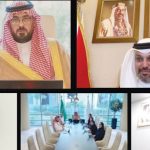
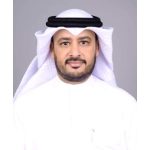
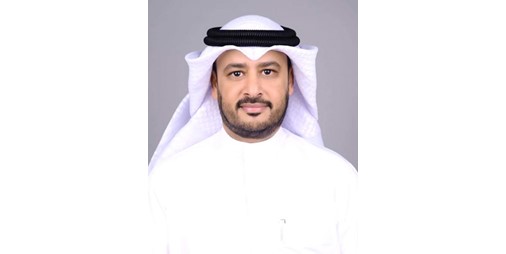
Kuwait recently took part in the eleventh meeting of the Committee of Agents for Anti-Corruption among the Gulf Cooperation Council (GCC) member states. This significant meeting, held virtually, was led by Dr. Majed Al-Duhaini, the Deputy Chairman of the Public Authority for Anti-Corruption, known as Nazaha. The gathering underscored the shared commitment among GCC nations to enhance integrity and combat corruption.
Strengthening Anti-Corruption Frameworks in the GCC
During his speech, Dr. Al-Duhaini commended the collective efforts of the GCC countries in advancing the framework for integrity and anti-corruption measures, especially amid rising international demands for adherence to transparency and regulatory practices. He emphasized Nazaha’s dedication to fostering collaboration with sister Gulf states and highlighted key initiatives within the ministerial committee focused on anti-corruption.
Collaborative Projects and Proposed Mechanisms
The meeting analyzed various projects aimed at unifying Gulf efforts to prevent and combat corruption. A notable proposal from Kuwait involved establishing an operational framework for the expert committee on anti-corruption within the GCC. This initiative seeks to enhance governance and organize the committee’s activities, thereby improving coordination among member states and aligning their perspectives at both regional and international levels, in line with the aspirations of the heads of anti-corruption agencies in the region.
Research and Development in Anti-Corruption
Additionally, the committee discussed the Gulf Cooperation Council’s 2026 Research and Study Competition, titled “Combating Corruption through Non-Judicial Means: Theoretical Approaches and Practical Experiences.” This initiative aims to publish academic and practical insights to improve anti-corruption strategies. The meeting reviewed evaluation outcomes from submitted research, overseen by appointed experts from the council’s member states. Furthermore, plans for a workshop focused on enhancing integrity and compliance in the private sector were brought up, along with recommendations from a recent workshop on identifying beneficial owners in the GCC conducted by Nazaha in collaboration with the General Secretariat in July 2026.
Kuwait’s Commitment to Regional Integrity
Nazaha’s participation in this important meeting reinforces Kuwait’s commitment to fostering effective regional cooperation in the fight against corruption. The Public Authority for Anti-Corruption aims to actively promote the values of integrity and transparency, which are fundamental to the advancement of GCC societies. The commitment to these principles not only enhances trust among citizens but also fortifies the region’s governance and legal frameworks.
Future Directions and Anticipated Developments
The discussions and initiatives from this meeting are expected to pave the way for significant progress in anti-corruption efforts across the Gulf region. As nations continue to collaborate and share best practices, stakeholders are encouraged to remain engaged with ongoing developments. The upcoming years will likely witness deeper commitments and innovative approaches to combat corruption within the GCC, driving both regional stability and economic prosperity.
In conclusion, the commitment of Kuwait and other GCC countries to anti-corruption exemplifies a proactive approach to governance. As they work towards implementing these strategies, ongoing discussions and workshops will be crucial in shaping the future of anti-corruption initiatives in the region. Observers should keep an eye on the outcomes of the proposed mechanisms and competitions, as they could significantly influence regional efforts against corruption.