






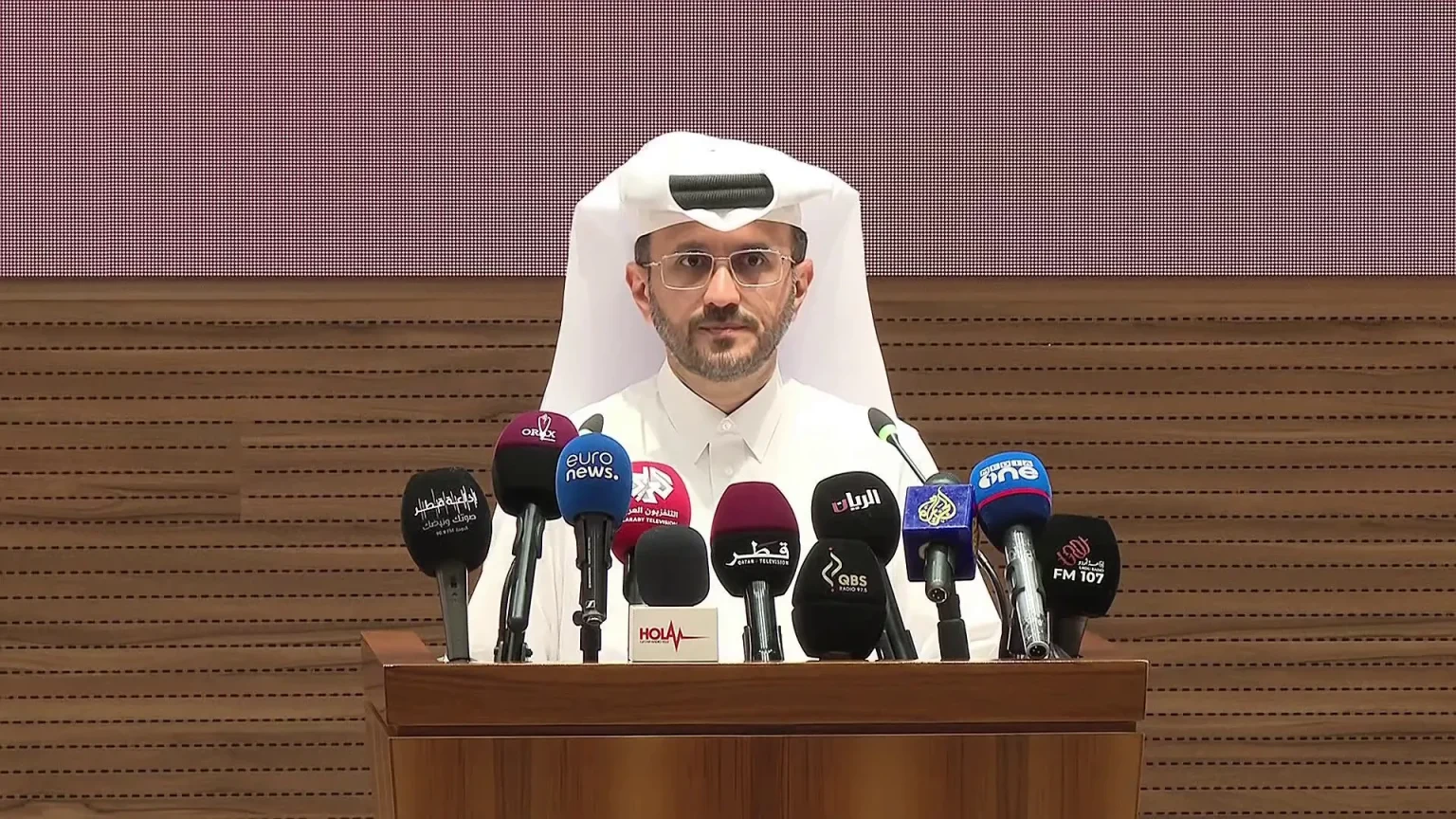

Qatar Engages in Mediation to Resuscitate US-Iran Talks
In a significant diplomatic effort, Qatar has initiated discussions aimed at resuming negotiations between Iran and the United States. This development comes nearly two weeks after the Qatari government expressed its intention to facilitate dialogue among key stakeholders. The spokesperson for the Qatari Foreign Ministry, Majid Al-Ansari, confirmed that mediators from Doha are actively working with both Tehran and Washington to explore the possibility of rekindling talks.
According to officials, the mediation team from Qatar is traversing various capitals in hopes of achieving progress in this diplomatic initiative. Al-Ansari emphasized the importance of a regional solution to establish stability and highlighted the necessity for an international consensus that protects vital waterways such as the Strait of Hormuz.
Stabilizing Regional Security through Dialogue
As tensions escalate over maritime navigation rights and other contentious issues, Qatar’s role as a mediator has been increasingly pivotal. The Qatari government has received assurances from U.S. officials indicating a genuine desire from Washington to reach a comprehensive agreement regarding Iran. Al-Ansari underscored that enforcing sovereignty over critical maritime routes and weaponizing them poses serious risks that could set a dangerous precedent for global commerce.
Meanwhile, Sheikh Mohammed bin Abdulrahman Al Thani, Qatar’s Prime Minister and Foreign Minister, reiterated the country’s commitment to maintaining open channels for dialogue while aiming to de-escalate ongoing tensions. Qatar’s objective remains centered on facilitating peace talks among involved parties, thereby fostering a stable regional environment.
Visit by Iranian Foreign Minister and Potential Talks
In a related development, Iranian Foreign Minister Abbas Araghchi is scheduled to make a brief stop in Doha before heading to New York to participate in United Nations General Assembly meetings. This visit aims to facilitate discussions concerning the latest developments in regional affairs.
The Iranian administration, represented by President Masoud Pezeshkian, has signaled its openness to any negotiations that could lead to sustained security and peace in the region. Pezeshkian noted the necessity for unified efforts to achieve these goals.
US-Iran Relations: Challenges and Prospects
U.S. President Donald Trump has expressed willingness to meet with Iranian officials on the sidelines of the upcoming UN General Assembly, presenting a potential avenue for direct dialogue. Trump stated that options regarding Iran currently include either “erasing Iran” or allowing its economy to decline further, or negotiating a deal.
This indicates a significant pivot in U.S. policy, where direct engagement with Iranian leaders may be on the table, contrasting with previous stances aimed at isolating the nation diplomatically. The Qatari and Pakistani governments are leading mediation efforts amid a stalemate characterized by unresolved navigational disputes in the Strait of Hormuz and other pressing issues.
Looking Ahead: Future Steps in Mediation Efforts
The resumption of dialogue appears uncertain but remains essential for both Iran and the U.S., as both nations navigate ongoing conflicts and economic stresses influenced by sanctions and military posturing. A memorandum of understanding was signed between the two nations in mid-June, but negotiations have since stalled as military encounters continue to create tension. Observers assert that the next steps will involve further diplomatic engagement and potentially renewed commitments from both sides to overcome these hurdles.
As Qatar continues its role as a mediator, all eyes will be on developments following the UN General Assembly meetings, which could provide a platform for significant diplomatic breakthroughs or further entrench the ongoing impasses in U.S.-Iran relations.