








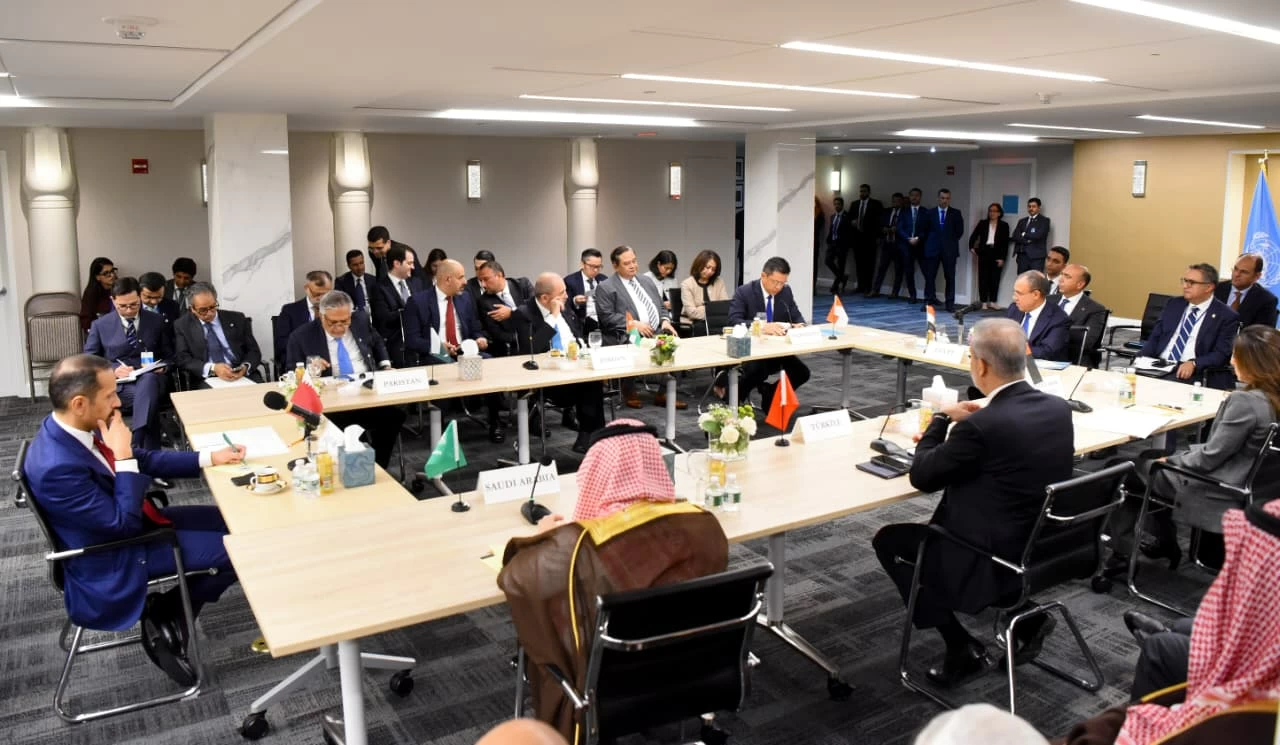

No Displacement or Annexation: Eight Arab and Islamic Countries Take a Stand on Gaza, the West Bank, and Jerusalem
In a strong diplomatic move, eight Arab and Islamic countries have united to express their opposition to the ongoing displacement and annexation policies affecting Gaza, the West Bank, and Jerusalem. This collective stance comes amid escalating tensions in the region, highlighting their commitment to uphold Palestinian rights and sovereignty.
The countries involved include Egypt, Jordan, Saudi Arabia, Turkey, Qatar, Malaysia, Indonesia, and Tunisia. They have issued a joint statement calling for an immediate halt to actions that threaten the territorial integrity and status of Palestinian lands. This statement marks a significant moment of solidarity among these nations in response to the current geopolitical climate.
The Context of the Current Conflict
The backdrop of this united front stems from long-standing grievances surrounding the Israeli occupation of Palestinian territories. Recent developments have heightened concerns about new policies that could lead to further displacement of Palestinian communities. Reports indicate that these actions may include land annexation, forced removals, and increased military presence, particularly in sensitive areas of Jerusalem.
Officials from the participating countries have voiced their intent to protect the rights of Palestinians, emphasizing the importance of international law and United Nations resolutions. They have called for a renewed focus on facilitating peace negotiations aimed at a two-state solution, which would recognize the sovereignty of both the Palestinian and Israeli peoples.
Responses from the International Community
The response to this coalition’s statement has varied globally. Some nations have expressed support for the call to halt displacement and annexation, while others have remained noncommittal. Human rights organizations have also reacted, urging the international community to take a more active role in mediating the conflict and ensuring compliance with humanitarian laws.
Furthermore, officials from the eight countries have indicated a willingness to engage with international partners to address what they describe as an urgent humanitarian crisis. They are advocating for increased aid and support for displaced communities, underscoring the need for immediate action to alleviate suffering on the ground.
Implications for Regional Stability
The unified stance of these Arab and Islamic nations could have profound implications for regional stability. As these governments assert their commitment to Palestinian sovereignty, it may change the dynamics of diplomatic relations not only within the Middle East but also with Western nations traditionally aligned with Israel.
In addition, this alignment may galvanize grassroots movements advocating for Palestinian rights, potentially leading to a broader regional and global response. Activists within these countries have already begun to use this diplomatic momentum to raise awareness and support for Palestinian autonomy.
Looking Ahead
The next steps remain uncertain, but analysts suggest that continued dialogue among the eight nations could be vital in influencing future discussions on peace initiatives. Furthermore, observers will be keen to monitor how these developments affect U.S. policies in the region, particularly as the Biden administration navigates its relations with both Israel and Palestinian representatives.
As governments continue to assess the situation, the focus will remain on ensuring that displacement and annexation are addressed before further escalation occurs. The coming weeks are expected to reveal how this coalition might leverage its influence to advocate for peaceful resolutions and bolster support for the Palestinian cause.