









Kuwait’s Electricity Demand Declines for Second Consecutive Year
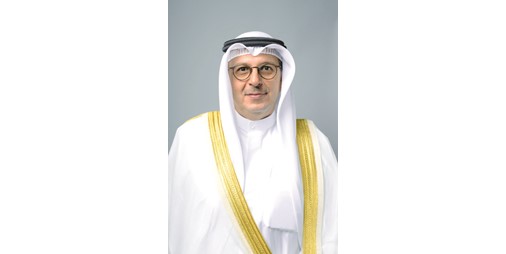
Kuwait’s electricity system has concluded the summer of 2026 with a peak electric load of 17,540 megawatts, marking a decrease of 70 megawatts compared to the previous summer. This decline continues a positive trend observed for two consecutive years, as declared by the Minister of Electricity, Water, and Renewable Energy, Dr. Subeih Al-Mukhizeem. The minister’s statement reflects a sustained commitment to enhancing energy efficiency within the nation, despite ongoing urban and economic expansions.
Electric Load Analysis and Trends
According to Dr. Al-Mukhizeem, the peak load recorded in summer 2026, which is lower than the peak of 17,610 megawatts noted in 2025, signifies a shift that began in 2025 when the load first decreased from the previous year. In 2024, the peak load had reached 17,640 megawatts. This downward trend in peak electricity demand illustrates an improvement in energy consumption efficiency, even as new electrical loads have been integrated into the network due to ongoing infrastructural development.
Newly added electrical demands from newly electrified facilities accounted for significant increases in capacity over the past two summers, with an addition of 1,059 megawatts from summer 2024 to summer 2025, and another 1,019 megawatts from summer 2025 to summer 2026. Therefore, a total addition of 2,078 megawatts was recorded between these periods. Nevertheless, the peak electric load remained lower than in both 2024 and 2025, confirming the effectiveness of the various measures aimed at enhancing energy consumption habits, particularly during peak periods.
Initiatives to Ensure Electrical Stability
Dr. Al-Mukhizeem noted that measures instituted to manage electrical loads during the summer season directly contributed to alleviating pressure on the electrical system, especially during peak times. These included reducing working hours for government entities and suspending factory operations during peak hours. Furthermore, the “Save” national campaign aimed at promoting energy and water conservation played a crucial role in educating the public on reducing unnecessary consumption.
The minister expressed gratitude to citizens, residents, and governmental and private institutions for their collaborative efforts in achieving energy savings, which stabilized the national electricity network. He highlighted how such collaborative actions significantly eased the demand for electricity during peak hours, enhancing the network’s ability to meet the Kuwait’s energy requirements during peak consumption periods.
Addressing External Challenges
Summer 2026 faced extraordinary challenges stemming from regional developments, including improper Iranian aggressions against parts of Kuwait’s electricity infrastructure. These actions impacted several power generation stations and water desalination plants, resulting in the operational outage of various units and a subsequent strain on the system’s capacity and operational effectiveness.
The minister also pointed out that the repercussions of these incidents had a ripple effect on scheduled maintenance programs, leading to delays in executing some planned tasks. Despite these operational hurdles, the ministry’s teams worked diligently around the clock to restore services and maintain the system’s operational readiness during the summer.
The Role of Community Engagement and Education
The “Save” campaign was vital in informing the public regarding responsible electricity and water use and in promoting conservation practices throughout the community. The program’s outreach continued to expand in 2026 through partnerships with various public and private entities, implementing educational programs and activities designed specifically for diverse segments of society. This initiative helped nurture a responsible usage culture and emphasized the shared responsibility for conserving the nation’s resources.
Dr. Al-Mukhizeem underscored that the successful outcomes seen in summer 2026 confirm that energy conservation has evolved from being solely an educative aspect to becoming a core element of national strategies for ensuring the sustained safety and availability of the electricity and water systems. He stressed that maintaining these favorable results will require collaborative efforts among government bodies, the private sector, and community members to embed responsible practices throughout the year.
Looking Ahead: Future Projects and Goals
The Ministry of Electricity, Water, and Renewable Energy continues to prioritize strategic projects aimed at increasing electricity and water production capacities, enhancing transmission and distribution networks, and expanding renewable energy initiatives to align with the nation’s future needs and economic growth goals. Several projects are currently nearing completion under the Public-Private Partnership Authority, with preparations for implementation underway.
As efforts to lower the electric load from factories conclude, the commencement of the academic year requires intensified preparations to ensure stability within the electric network and meet the demands of educational facilities. The minister concluded by praising local talents and all staff members in the ministry for their exceptional commitment during challenging operational conditions and reiterated the importance of community cooperation in conserving national resources for future generations.