









Strengthening Yemen-Kuwait Relations Through Political Dialogue
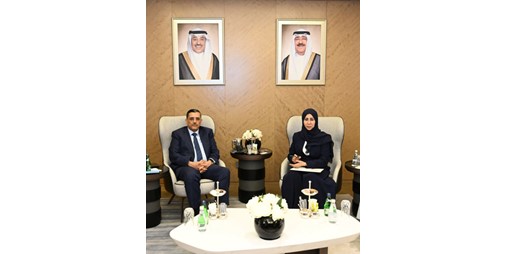
Yemen’s Foreign Minister, Dr. Afrah Abdulaziz Al-Zuba, has emphasized the significance of Kuwait as a historical partner in Yemen’s ongoing development. During a recent meeting with Kuwaiti media representatives, Al-Zuba highlighted plans to review and activate agreements and memorandums of understanding, aiming to expand political consultations and cooperation between the two nations.
The discussions come as part of Yemen’s continued efforts to revive its institutions and enhance stability, with Kuwait’s role being viewed not merely as a response to humanitarian needs but also a sustained commitment across areas like education, healthcare, and infrastructure.
Kuwait’s Long-Term Support for Yemen
Al-Zuba remarked that Kuwait’s support for Yemen has been longstanding, well beyond the immediate humanitarian crisis. This relationship, cultivated over more than six decades, involves economic assistance and cultural exchanges that have fostered strong societal ties.
During her visit, Al-Zuba conveyed a message from Yemen’s President Rashad Muhammad Al-Alimi to Kuwaiti Emir Sheikh Mishal Al-Ahmad, focusing on the continuous enhancement of bilateral relations across various fields.
The minister underscored the importance of Kuwait’s involvement in Yemen’s political dialogue and its historical context, including Kuwait’s role as a mediator in political discussions from the 1970s and its hosting of Yemeni consultations in 2016. Such engagements have laid the groundwork for a collaborative future, relying on respect for national sovereignty and non-interference in domestic matters.
Political Sovereignty and the Need for Stability
Al-Zuba stressed that Yemen must remain a state that does not pose threats to its neighbors, reinforcing that the country’s decisions regarding war and peace should solely lie within state institutions. She articulated that any form of military or political power limiting the state’s sovereignty contradicts the necessary stability for both Yemen and neighboring countries.
Furthermore, the minister asserted that addressing Yemen’s challenges requires a comprehensive approach focused on restoring governmental authority and guaranteeing that any political agreements come with the necessary implementations and institutional capabilities to uphold stability.
In her analysis of recent conflicts, Al-Zuba classified the actions of the Houthi movement as an extension of attempts to impose control through armed means, crossing the lines of internal unrest to threaten regional security. She asserted that the foreign military support for Houthi capabilities accentuates the urgency for Yemen to exercise authority over its borders and resources to mitigate these threats.
Key Development Initiatives and Future Outlook
Highlighting the efforts made by the Kuwaiti Fund for Economic Development, Al-Zuba pointed out its critical partnerships with Yemen in sectors like education, healthcare, and infrastructure. She emphasized that the focus now is on enhancing existing projects before committing to new initiatives, establishing a clear path for effective engagement and development.
The foreign minister also addressed the link between Yemen’s stability and the broader Gulf region’s security, stating that a stable Yemen can contribute positively to the regional landscape. Consequently, securing Yemen’s sovereignty will play a vital role in safeguarding maritime safety and combating illegal activities that threaten neighboring nations.
As Yemen eyes future collaborations within the framework of existing agreements, officials anticipate a structured approach to maintaining dialogue and pursuing growth. This going-forward strategy, characterized by a collective aim for peace and development, is essential for Yemen’s recovery and reintegration into the regional community.
Conclusion: Looking Ahead
The renewed commitment between Yemen and Kuwait signifies a pivotal step towards long-term stability in the region. As discussions progress, stakeholders will be keen to monitor the implementation of agreements as well as broader developments in Yemen’s peace process. The shared goal remains fostering a resilient and cooperative future that prioritizes both nations’ interests and regional security.