





80% Completion in Naming Streets and Buildings in Pilot Areas
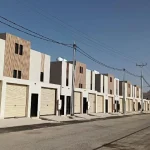
The National Addressing System project in Muscat Governorate has reached the field implementation stage, with street and building signs being installed. This comes after the completion of initial preparations to name the streets and validate the addressing unit data in targeted areas. The project aims to establish a unified national addressing system supported by an accurate geographic database.
The objective of the project is to provide a precise and unified national address for every home and establishment, facilitating access to locations while enhancing both public and private services. Furthermore, it aims to improve the efficiency of digital transformation, urban planning, and location-based services.
Progress on Address Naming and Validation
Field surveys have commenced in the pilot area of Quriyat to ensure the installation of signs meets the required technical standards before production and installation begin. Concurrently, efforts to name streets and verify addressing units in pilot areas across various districts in Muscat are ongoing.
To date, the progress in naming streets and verifying the addressing data in the targeted locations has exceeded 80%. This achievement aligns with the continued implementation of sign installations according to the approved plan.
Future Steps in the National Addressing System Project
The upcoming phases will focus on completing the installation of street and building signs in pilot areas. This will soon expand to major cities and other regions to finalize street names and validate addressing units, aiming for comprehensive coverage throughout Muscat Governorate.
This project is a collaborative effort involving the Ministry of Housing and Urban Planning, Muscat Governorate, and the Municipality of Muscat. The ministry is responsible for overseeing the National Addressing System, creating the central database, and managing it while establishing the standards and regulations for street naming and building numbering, in accordance with Ministerial Decision No. (200/2024).
Integration and Impact of the National Addressing System
Muscat Governorate, in coordination with the Municipality of Muscat, will execute the addressing tasks, including the approval of street names and the management of the regional database. Post-project completion, the national addressing system will be linked with several government systems, including the unified municipal system. This integration aims to unify data and enhance municipal services, permit management, and inspection work, fostering better cooperation among government entities.
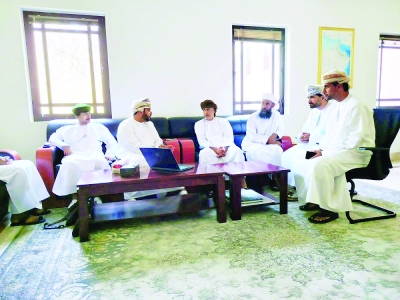
National addressing teams are monitoring the execution phases across various governorate districts, focusing on data verification, following technical and regulatory requirements, and helping review street names in accordance with the established standards, while considering the historical, cultural, and architectural characteristics of each district.
Significance of Accurate Addressing for Various Services
The national addressing system will provide enhanced accuracy for location-dependent services, such as emergency response, civil defense, police services, municipal, postal, electricity, water, and telecommunications services. Moreover, it supports healthcare, educational, and social services by creating a reliable reference for addresses.
This system is a critical component in digital transformation efforts through its establishment of a unified national spatial database that can be linked with various government systems, aiding in data sharing, reducing redundancy, and improving the quality of electronic services.
Supporting Smart City Initiatives
The addressing database offers precise up-to-date spatial information about streets, buildings, and addressing units, which can facilitate studies, data analysis, prioritization of projects, distribution of public services and facilities, and government asset management. The importance of these data increases in Muscat due to ongoing urban growth, helping manage urban expansion, population density analysis, and determining service needs for future planning.
Additionally, it may act as a driver for smart city initiatives by providing a standardized reference for locations that can be integrated with smart systems and applications, aiding in asset management, traffic management, municipal services, emergency response, logistics services, and spatial data analysis.
Implications for E-commerce and Investment
Standardizing addresses is expected to enhance the efficiency of logistics and delivery services by providing accurate, unified data that can reduce delivery times, minimize errors related to hard-to-locate areas, and lower operational costs. The system also boosts e-commerce growth and improves delivery services, enabling small and medium enterprises to register their locations with unified national addresses, making it easier for customers to reach them and enhancing their visibility on digital maps and e-commerce platforms.
On the investment front, the system offers a reliable spatial framework aiding in identifying project locations, verifying business register addresses, managing project and contractor datasets, improving accuracy in licensing information, and delivering services associated with projects and investments.
Community Engagement and Future Outreach
The Ministry of Housing and Urban Planning, along with Muscat Governorate and relevant agencies, plans to implement awareness campaigns to inform the public about the objectives of the national addressing system, how to leverage it, and its role in enhancing service quality and supporting digital transformation.
Residents and business owners in targeted areas will be notified before the installation of signs begins, emphasizing their role will be to assist field teams and facilitate access to installation sites as needed per the approved technical procedures.