






United States Intensifies Military and Economic Pressure on Iran
The United States has escalated its military and economic stance against Iran, announcing a series of strikes on military targets affiliated with the Iranian Revolutionary Guard Corps (IRGC). This action aligns with U.S. Treasury Secretary’s statement on continuing economic pressure until Tehran is ready to return to the negotiation table. The recent strikes signify a significant escalation in U.S.-Iran relations amid ongoing tensions in the Middle East.
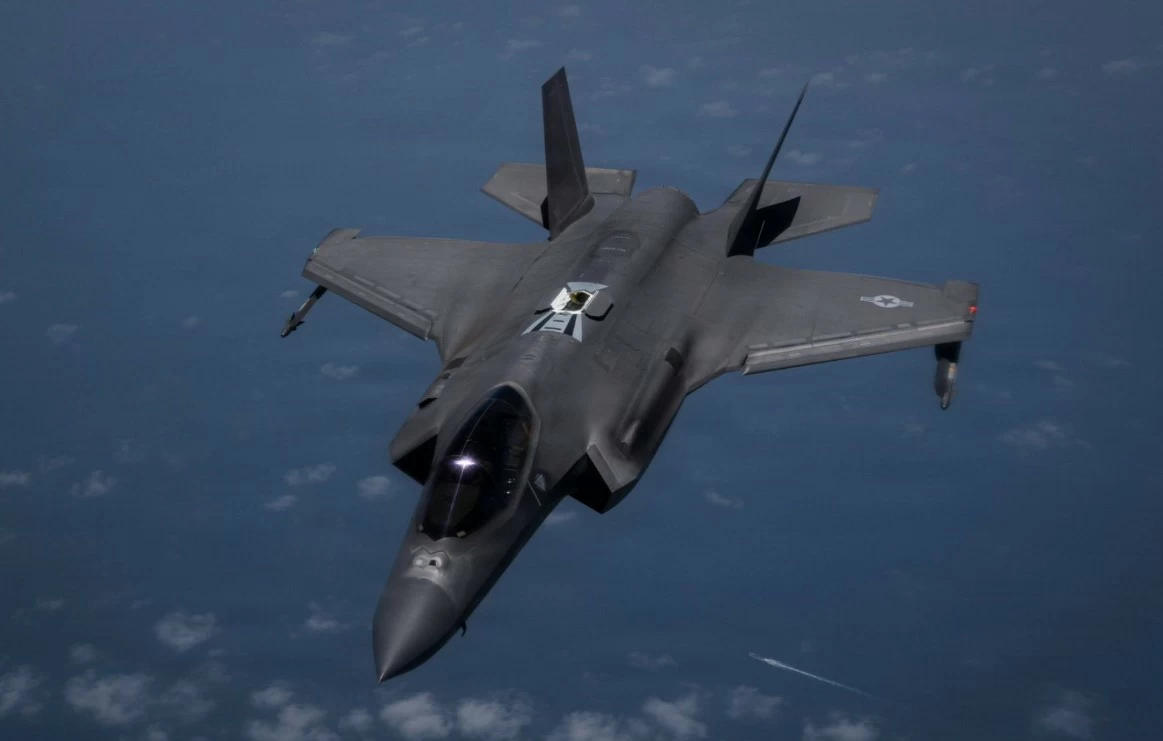
According to U.S. Central Command (CENTCOM), the recent airstrikes successfully targeted several military installations belonging to the IRGC, emphasizing that these operations were in response to recent attacks by the IRGC on shipping and U.S. military personnel. This heightened military intervention illustrates the U.S. commitment to protecting its interests in the region, particularly concerning maritime security and the safety of American forces.
CENTCOM Confirms Successful Strikes on Iranian Targets
CENTCOM has reported the completion of a series of successful strikes against Iranian military objectives. The operations focused on various installations of the IRGC, including air defense systems and radar installations. Furthermore, the strikes impacted naval facilities capable of laying mines and communication sites associated with the IRGC.
These military actions came after a series of aggressive maneuvers by the IRGC targeting commercial vessels in the Strait of Hormuz and U.S. forces stationed in the region. The U.S. military’s readiness to conduct these operations reflects a broader strategy aimed at deterring Iranian aggression and securing vital shipping lanes critical for global oil trade.
U.S. Military Personnel Mobilized in the Middle East
Currently, around 50,000 members of the U.S. armed forces are stationed across the Middle East, as confirmed by CENTCOM. This substantial military presence underscores the United States’ commitment to maintaining stability in the region amidst rising hostilities. U.S. officials have reiterated their intent to continue military operations designed to counter threats posed by Iranian actions.
Simultaneously, U.S. Treasury Secretary emphasized the continuation of economic sanctions designed to further isolate the Iranian regime. He highlighted the success of these measures in constraining Iran’s economic capabilities, noting that the pressure on Iranian leadership will only increase as the situation evolves.
Three Options for Iran: Change, Fall, or Negotiation
The U.S. Treasury Secretary outlined three potential pathways available to Iran: a coup within the IRGC, a popular uprising against the regime, or a return to diplomatic negotiations. He expressed that previous agreements failed largely because Iran was not prepared to make a legitimate deal. The continued financial pressure is aimed at compelling Iran to engage in constructive dialogue, with hopes that such an approach will be successful in the long run.
Officials believe that heightened economic stress could potentially lead Iran to consider military options, adding another layer of complexity to the already fraught situation.
The Deteriorating State of the Iranian Economy
Describing the current state of the Iranian economy, the Treasury Secretary remarked that its collapse is merely a matter of time. He pointed to significant challenges Iran faces, including a crippling inability to access dollars, which has severely limited its economic functioning. Acknowledging the acknowledgment from various financial authorities regarding Iran’s dire economic circumstances, he emphasized the U.S. determination to block any attempts by Iran to receive funding through external actors.
The United States is committed to disrupting any financial channels supporting the Iranian regime, indicating a persistent approach toward economic sanctions aimed at influencing Iran’s actions on the global stage.
Constructive Dialogues with China
The U.S. stance extends to international relations, including discussions with China regarding Iran. The Treasury Secretary mentioned “constructive dialogues” with Chinese officials who affirmed their support for the U.S.’s “economic pariah” strategy towards Iran. He clarified that while negotiations are not off the table, the U.S. will maintain pressure until Iran is ready for serious discussions.
This alignment with China suggests a broader coalition against Iranian aggressions, highlighting the geopolitical ramifications of the U.S. strategy in the Middle East. As the situation develops, the emphasis remains on diplomatic solutions, albeit under stringent conditions.
Conclusion: Looking Ahead to Future Developments
As military actions and economic sanctions intensify, all eyes will be on the Iranian government’s response and the potential for regional instability. Analysts suggest that the next steps for the U.S. will involve a careful balancing act—maintaining pressure on Iran while keeping avenues for dialogue open. Observers are urged to monitor for signs of change within Iran, which could indicate a shift in policy or strategy, potentially leading to a renewed push for negotiations or increased unrest.