






Arab Administrative Development Organization meeting opens in Cairo
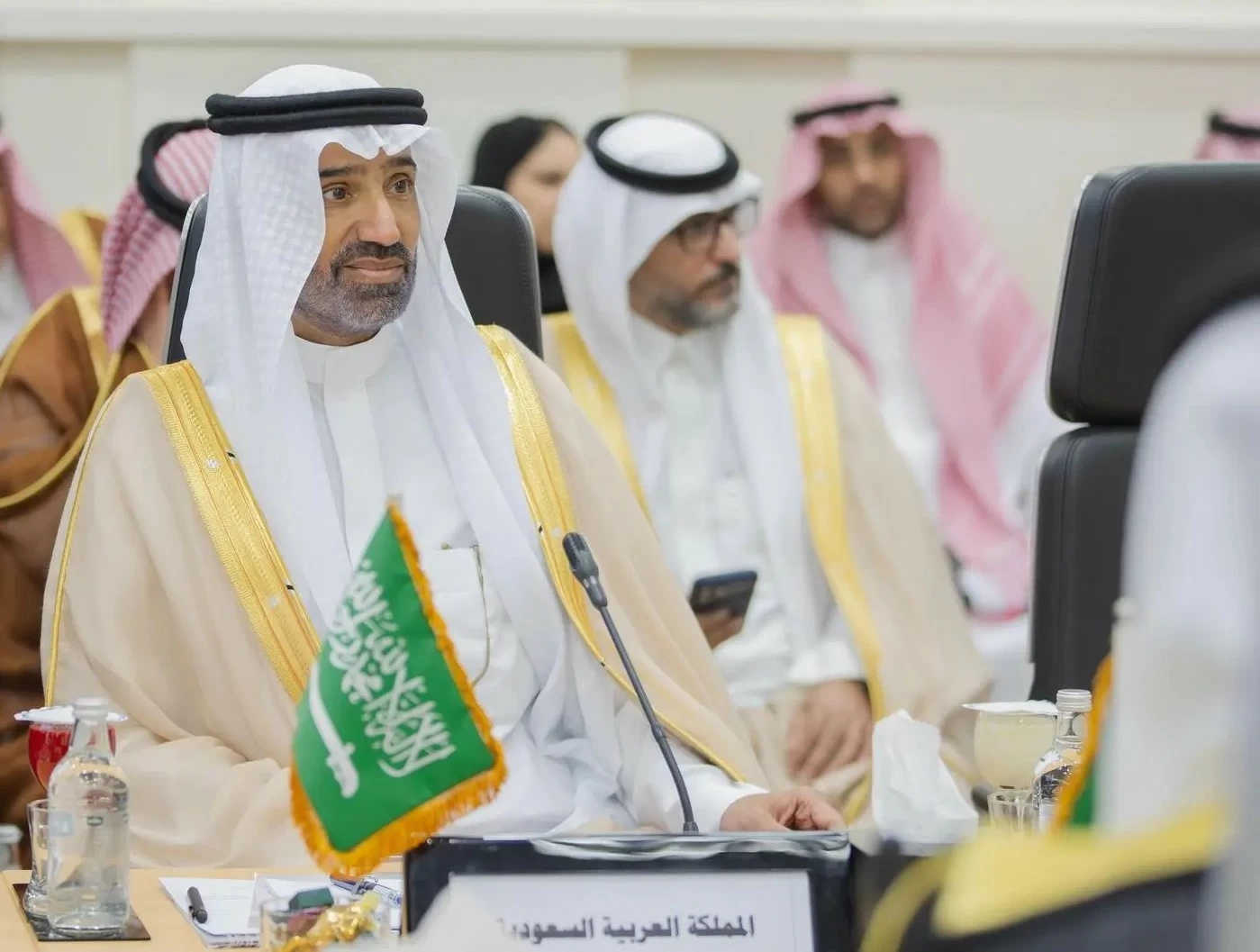
Saudi Minister of Human Resources and Social Development Ahmed bin Sulaiman Al-Rajhi chaired the 121st Arab Administrative Development Organization meeting in Cairo from August 24 to 26, 2026, the ministry said. The session convened heads and representatives of civil service and administrative authorities from member states, with attendees including the director general of the Institute of Public Administration, Dr. Bandar Al-Sajjan, the Kingdom’s permanent delegate to Cairo, Ambassador Abdulaziz Al-Matar, and the organization’s director general, Dr. Nasser Al-Qahtani.
Key agenda items and immediate outcomes
During the three-day Arab Administrative Development Organization meeting, delegates reviewed the organization’s achievements for 2025 and followed up on the implementation of previous executive council decisions. Officials said the council also examined an initial conceptual proposal for the second phase of the strategic plan covering 2027–2030, aiming to align administrative development efforts across member states.
Minister’s opening remarks and emphasis on cooperation
In his opening remarks, Minister Al-Rajhi welcomed council members and extended gratitude to Egypt for hosting the session, according to a ministry statement. He emphasized the importance of sustained Arab cooperation and administrative development, noting the need to adopt international best practices and strengthen human resources development to support effective public sector transformation.
Deliberations on the strategic plan 2027–2030
Delegates spent significant time discussing the strategic plan 2027–2030 framework, reviewing priorities such as capacity building, digital transformation, and policy coordination across the region. The session addressed how member states could harmonize standards and exchange administrative successes, with officials stressing that the plan should be adaptable to differing national contexts while promoting shared goals.
General Assembly session and financial planning
Minister Al-Rajhi also participated in the organization’s 59th ordinary session of the General Assembly, where annual reports for 2024 and 2025 were presented and discussed. Delegates reviewed the proposed strategic plan alongside the draft estimated budget for 2027–2028, with representatives assessing resource requirements to support planned programs and technical assistance initiatives.
Election of the executive council and oversight appointments
The meeting concluded with the election of the Executive Council for the 2026–2028 term and the selection of the financial and administrative oversight committee, the ministry reported. Participants exchanged national experiences in administrative reform, highlighting successful initiatives that could inform peer learning and regional capacity-building activities.
Examples of administrative practices shared
Member states presented a range of administrative innovations during the session, from digital service delivery pilots to public sector training models and performance management reforms. These case studies were discussed as practical inputs to the strategic planning process and as potential templates for replication under future capacity-development programs.
Implications for administrative development and human resources
Observers said the meeting reinforced momentum toward coordinated administrative development across Arab countries, underscoring the role of the organization as a platform for policy exchange and technical cooperation. The emphasis on human resources development and institutional capacity suggests a regional push to modernize public administrations and improve service delivery.
Next steps and what to watch
According to official statements, the executive council will refine the proposed second-phase strategy and present a consolidated draft for member review ahead of final adoption. Stakeholders should watch for updated timelines, detailed programmatic priorities, and approved budget allocations that will determine the scope of regional initiatives in 2027–2030.
Context and broader regional significance
The Arab Administrative Development Organization meeting took place amid growing interest in public sector modernization across the region, where governments face pressures to improve governance, digital services, and workforce skills. Analysts say coordinated efforts through multilateral forums can accelerate knowledge transfer and reduce duplication of reform efforts among neighboring states.
Meanwhile, the outcomes from this session are likely to shape technical cooperation offers from the organization and inform bilateral support from member states. The council’s decisions on oversight and elected leadership are expected to influence how swiftly priority programs move from planning into implementation.
Conclusion and forward outlook
The 121st Arab Administrative Development Organization meeting concluded with clear signals about priorities for 2027–2030 and renewed commitments to Arab cooperation in administrative development. Officials indicated that follow-up work will continue in the coming months, with a next set of milestones expected as the executive council finalizes the strategic plan and budget decisions early next year.