




Qadha Junior camp highlighted as national youth development initiative
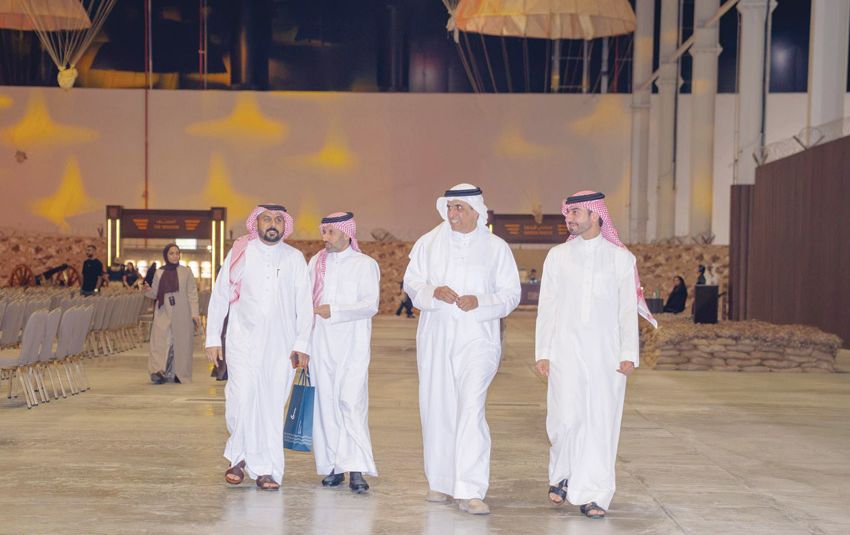
Dr. Ali bin Mohammed Al Rumaihi, chairman of the Board of Trustees of the Bahrain Institute for Political Development, visited the Qadha Junior camp and described it as a distinctive national initiative in investing in Bahraini youth. Held at the Bahrain International Exhibition & Convention Centre, the training program combines practical exercises and personal development modules to build discipline, confidence and teamwork among participants.
The Qadha Junior camp, presented under the guidance of Sheikh Nasser bin Hamad Al Khalifa, reflects an extension of the earlier Qadha program aimed at strengthening leadership skills and civic values. During the visit, officials and trainers briefed Dr. Al Rumaihi on the camp’s schedule and he observed sessions and challenges undertaken by the young trainees.
Training approach and activities at the Qadha Junior camp
Organizers emphasized a balanced curriculum that mixes structured training, physical challenges and teamwork-oriented tasks. Furthermore, modules are designed to reinforce self-reliance, responsibility and orderly conduct—traits program leaders say are essential for long-term youth development and academic success.
According to the institute’s representatives, the Bahrain training camp environment enables participants to practice leadership skills in realistic scenarios while receiving feedback from experienced trainers. The approach aims to go beyond short-term effects of the camp by embedding values and competencies that support future educational and civic pathways.
Support, oversight and strategic vision behind the program
Officials noted that Sheikh Nasser bin Hamad Al Khalifa’s direction to establish the Qadha Junior camp demonstrates a broader strategic focus on human capital. The initiative is presented as part of wider efforts to discover and nurture the talents of Bahraini children and to prepare them for roles where they can contribute effectively to the nation.
Dr. Al Rumaihi praised the organization and praised the training teams, saying the camp’s structure and execution create a motivating environment for participants. He credited the organizing committee and trainers for converting program objectives into a practiced set of activities that encourage initiative and resilience among attendees.
Benefits for participants and broader implications for youth development
Program leaders contend that early engagement in structured training helps young people form habits of discipline, cooperation and accountability. Therefore, the camp is positioned as a long-term investment in the country’s future human capital, providing experiences that complement formal schooling and reinforce civic-minded behaviors.
Observers say that combining practical challenges with reflection and mentoring can accelerate the acquisition of leadership skills and social competencies. In turn, this can improve participants’ preparedness for team-based tasks, voluntary service, and eventual participation in public or private sector roles.
Community and educational linkages
Organizers are also exploring links with schools and community groups to extend the camp’s influence beyond the immediate session. Meanwhile, trainers reported active engagement and enthusiasm among the youth, which supporters interpret as evidence that experiential programs can have measurable effects on motivation and self-confidence.
Accountability, measurement and next steps to expand impact
Dr. Al Rumaihi underscored the importance of monitoring and follow-up to ensure that outcomes persist after the camp ends. He recommended that organizers consider systematic evaluation and potential longitudinal tracking of participants to assess the program’s contribution to personal development and civic participation.
Furthermore, officials said that lessons from the Qadha Junior camp could inform the design of future Bahrain training camp offerings for different age groups. Stakeholders indicated an interest in scaling successful elements while maintaining quality of instruction and participant safety.
What to watch next
Readers should watch for official updates from the Bahrain Institute for Political Development regarding program evaluation, possible expansions and any partnerships with educational institutions. Additionally, announcements about subsequent camp sessions or related youth initiatives would indicate whether the model is being replicated or refined.
In conclusion, the Qadha Junior camp represents a focused effort to develop leadership skills and civic values among younger cohorts. As organizers continue to collect feedback and plan future iterations, the program’s longer-term influence on youth development in Bahrain will depend on sustained oversight, evaluation and integration with broader educational objectives.