







Qadha Junior training camp showcased during ministerial visit
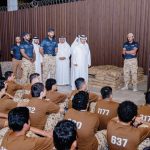
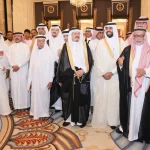
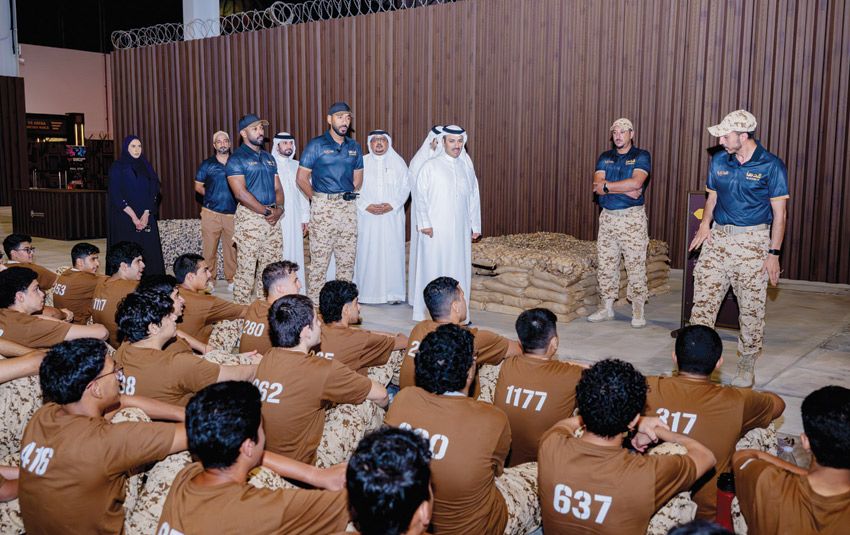
Dr. Ramzan bin Abdullah Al Nuaimi, Bahrain’s Minister of Information, visited the inaugural Qadha Junior training camp at the Bahrain International Exhibition and Convention Centre on Monday, officials said. The visit gave the minister a firsthand look at the program’s activities, its training modules and how the camp aims to develop both physical skills and civic values among participating children.
The Qadha Junior training camp opened under the direction of Sheikh Nasser bin Hamad Al Khalifa, National Security Advisor and Commander of the Royal Guard, according to the Ministry of Information. During the tour, the minister observed field exercises, practical drills and workshops designed to foster discipline, teamwork and personal responsibility.
Programs and daily activities at the Qadha Junior training camp
The camp features a mix of fitness training, problem-solving challenges and leadership exercises tailored to younger participants. Officials described a schedule that balances physical conditioning with educational sessions on civic duty and national identity, aiming to sharpen both mind and body. Additionally, workshops on first aid, resilience and teamwork provide practical skills that complement traditional sports and drills.
Trainers and volunteers at the camp employ progressive learning techniques to ensure participants can build confidence incrementally. Furthermore, the organizers include scenario-based learning that requires cooperation and communication, which officials say helps children internalize values of responsibility and mutual support.
Ministerial perspective and national objectives
Minister Al Nuaimi emphasized that programs like the Qadha Junior training camp represent a long-term investment in Bahrain’s future by nurturing patriotic and responsible citizens from an early age. The ministry statement noted that fostering loyalty, civic responsibility and a sense of belonging are central goals, and that such initiatives support broader national priorities related to social cohesion.
According to the Ministry of Information, the camp aligns with directives from Sheikh Nasser bin Hamad Al Khalifa to expand opportunities for Bahrain youth to gain real-world experience. The minister highlighted how the initiative extends beyond physical training to include character-building components that prepare children to face future challenges.
Youth training outcomes and community implications
Officials expect the Qadha Junior training camp to produce measurable improvements in participants’ self-reliance, teamwork and problem-solving abilities. Evidence from similar youth training programs suggests that structured activities combined with mentorship can boost school engagement and civic participation, although officials say ongoing evaluation will determine specific outcomes.
The program may also have local community benefits by creating a cohort of young leaders who serve as positive role models. Moreover, parents and educators attending the camp sessions reported that children appear more motivated and better able to collaborate after participating in group challenges and leadership tasks.
Secondary skills and broader educational value
Beyond physical fitness, the camp prioritizes communication, decision-making and resilience under pressure. These secondary skills are relevant to leadership development and to everyday academic and social success, officials noted. Therefore, organizers frame the camp as complementary to formal education rather than a replacement for curricular learning.
Organizers, partnerships and program delivery
The camp is delivered through a coordinated effort between government offices, training professionals and volunteer facilitators. The Ministry of Information credited the organizing teams for designing a varied curriculum that includes simulated field exercises, classroom-style instruction and reflective sessions for participants and mentors. Additionally, safety protocols and child protection measures are in place to ensure a secure environment for all activities.
Partnerships with local sports and educational organizations provide logistical and technical support, while trainers receive preparation to handle both the physical and pedagogical aspects of youth training. Officials said the collaborative model helps scale the program and maintain consistent quality across sessions.
What the Qadha Junior training camp means for Bahrain’s future
Stakeholders describe the camp as part of a larger strategy to cultivate an engaged generation of citizens who are prepared for civic responsibilities and leadership roles. The emphasis on discipline, teamwork and perseverance is intended to build foundations that participants can carry into adolescence and adulthood. Therefore, the camp is framed as both an immediate developmental opportunity and a long-term investment in social capital.
Observers suggest the model could be adapted for wider youth engagement initiatives if monitoring and evaluation indicate positive impacts. Meanwhile, officials stressed the importance of integrating family and school support to reinforce the lessons learned at the camp.
Next steps and what to watch
Officials said follow-up activities will track participant progress and evaluate the camp’s effectiveness over time, with potential expansion depending on results. In the coming months, the Ministry of Information and partner organizations plan to report on participant feedback and program metrics to inform future iterations.
Readers should watch for official updates on program evaluation, any announced expansions and subsequent training cycles that build on the Qadha Junior training camp model. Such developments will indicate whether the initiative achieves its aim of strengthening leadership development and civic engagement among Bahrain youth.