








Bahrain Space Agency joins International Astronautical Federation education seminar
Recently, the Bahrain Space Agency participated in a seminar organized by the International Astronautical Federation (IAF) focused on space education and outreach programs. The event, convened under the IAF technical committees for workforce development and youth professional programmes and hosted by the committee on education and public outreach, brought together international experts and agency representatives. The Bahrain Space Agency delegation attended to review best practices and emerging trends in preparing students and young professionals for careers in space.
Key discussions on space education and workforce development
The session examined current strategies in space education, highlighting online learning, hands-on student projects and partnerships between academia and industry. Officials said speakers included representatives from European space programme agencies, international universities and leading aerospace companies, who shared case studies on building resilient pipelines into the space sector. Furthermore, the seminar emphasized the role of outreach programs in stimulating interest among younger cohorts and the importance of aligning curricula with industry needs.
Main themes: youth engagement, practical skills and international collaboration
Panelists discussed methods for engaging students at different educational levels, from classroom enrichment to university research internships and maker-space initiatives. In addition, experts underscored the need to teach practical skills such as satellite systems design, data analysis and project management alongside theoretical subjects. Therefore, the seminar highlighted cross-border collaboration as a means to accelerate skill transfer and to ensure consistent standards in space education worldwide.
Bahrain Space Agency perspective and strategic intent
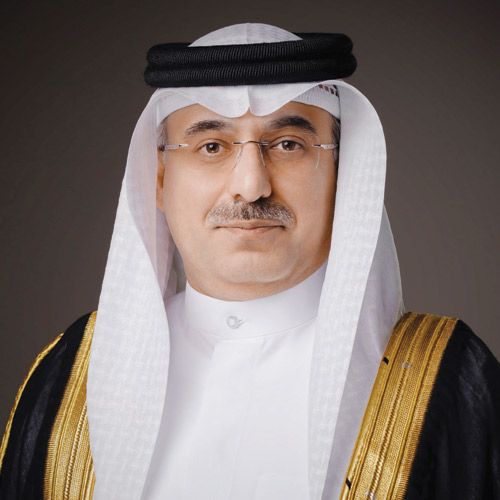
Dr. Mohammed Ibrahim Al-Assiri, chief executive of the Bahrain Space Agency, said the participation reflects the agency’s commitment to integrating international best practices into national policy. He noted that space education and outreach form a central pillar of the agency’s strategic plan to develop a qualified national workforce in space science and technology. According to his remarks, leveraging insights from IAF seminars will help Bahrain adapt training models that support its economic vision through 2030.
Experts and session leadership
IAF organizers appointed a session chair from the European Space Programme agency and invited contributions from universities and aerospace firms to provide a balanced perspective. Presenters described ongoing initiatives such as joint educational modules, student satellite competitions and mentorship programmes between industry and academic institutions. Meanwhile, speakers from the private sector outlined how internships and apprenticeships serve as direct entry points for the youth workforce into technical roles.
Secondary keywords in practice: outreach programs and youth workforce development
Discussion threads repeatedly returned to outreach programs as the catalyst for long-term talent development, with case examples showing measurable increases in student participation where sustained outreach existed. Additionally, the term youth workforce development framed conversations about skills pipelines, credentialing and partnerships that bridge secondary education to tertiary training and employment. Officials noted that coordinated national efforts supported by international collaboration tend to achieve faster results in workforce readiness.
Practical education models presented
Speakers showcased modular curricula that integrate project-based learning and remote laboratory access for schools and universities. These approaches enable broader participation across regions and allow students to work on real-world missions, such as small satellite payloads and data-driven Earth observation projects. As a result, education providers can scale opportunities without prohibitive infrastructure investment.
Implications for Bahrain’s national space ambitions
By participating in the IAF seminar, the Bahrain Space Agency aims to identify practical models to localize and implement in Bahrain’s education ecosystem. Officials said adopting proven outreach and workforce development measures can expedite the creation of a skilled national cadre for the country’s growing space activities. Furthermore, the agency intends to adapt international templates to local needs while fostering partnerships with universities and industry to support hands-on training.
Coordination with national economic objectives and timelines
The agency’s involvement aligns with Bahrain’s broader economic and development objectives, which include diversifying the economy and strengthening scientific capacity. Therefore, integrating space education into national STEM strategies may contribute to long-term goals such as technology transfer, job creation and innovation-driven growth. Officials suggested that initial pilot programmes and curriculum updates could roll out in the near term, subject to interagency coordination and resource allocation.
International cooperation as a multiplier
Participants emphasized that international collaboration accelerates capacity building through shared resources, faculty exchanges and co-developed training materials. Consequently, Bahrain’s engagement with IAF activities positions the country to benefit from established networks and to co-design programmes that fit national priorities. Participants also recommended tracking outcomes through measurable indicators to ensure programmes meet workforce targets.
What to watch next
Observers should look for announcements from the Bahrain Space Agency about pilot education initiatives, partnership agreements with universities or industry internship schemes. Meanwhile, follow-up IAF workshops and technical committee outputs may provide templates that Bahrain can adapt for national implementation. Overall, the agency’s seminar participation signals an ongoing effort to strengthen space education and to prepare a capable youth workforce for future roles in the sector.