






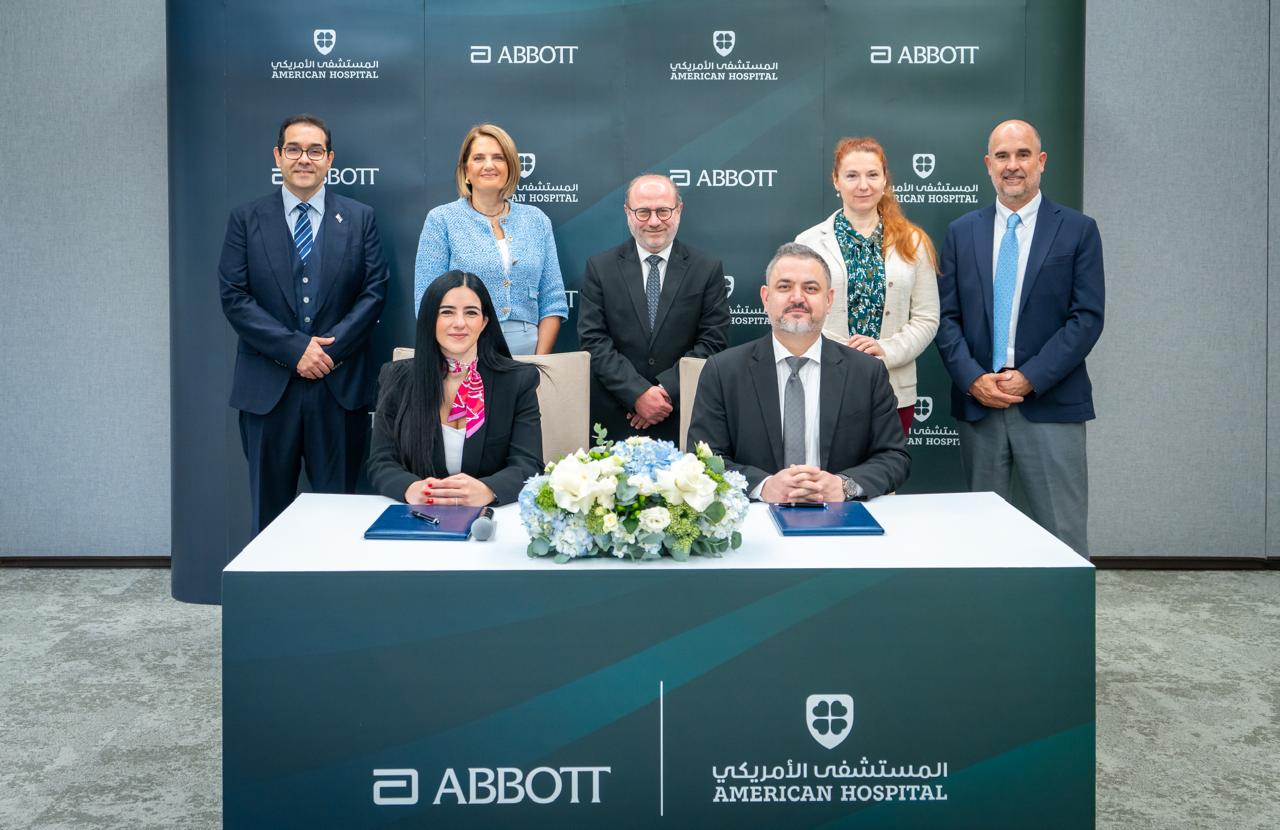

The American Hospital Dubai has signed a memorandum of understanding with global healthcare company Abbott to advance early cancer detection in the UAE through next‑generation diagnostic solutions. The agreement, announced by hospital and Abbott officials, aims to introduce an advanced screening capability at the private hospital that officials say will help identify cancer at earlier stages and support more informed clinical decisions.
Early Cancer Detection in the UAE: New partnership between American Hospital Dubai and Abbott
Under the memorandum of understanding, the hospital and Abbott plan to deploy innovative diagnostic technology designed to enhance cancer screening and early diagnosis across Dubai and the wider United Arab Emirates. American Hospital Dubai will be the first private healthcare provider in Dubai to offer this specific solution, according to hospital representatives. The collaboration reflects both organizations’ stated commitments to improving access to advanced diagnostics.
What the new diagnostic technology offers
Officials described the initiative as the introduction of a new generation of detection tools that combine sensitive laboratory methods with streamlined clinical workflows. While the partners did not disclose product names, they emphasized that the solution is intended to support clinicians in identifying cancer signals earlier than traditional methods permit. Furthermore, Abbott’s global portfolio of diagnostics and laboratory services is expected to underpin training and integration efforts at the hospital.
Impact on early cancer detection in the UAE and patient outcomes
Early cancer detection in the UAE plays a central role in improving treatment success and reducing mortality, health experts say, and the new partnership is expected to contribute to national cancer control objectives. By enabling earlier diagnosis, the technology could shorten time to treatment, refine risk stratification, and improve clinical decision‑making for multidisciplinary teams. Additionally, broader access to advanced cancer screening tools may help public and private systems better monitor population health and outcomes over time.
Implementation, access and clinical integration
The hospital indicated that the diagnostic solution will be integrated into existing oncology pathways and diagnostic services, with staff training and quality assurance measures planned as part of the rollout. American Hospital Dubai will lead local implementation while Abbott supports with technical expertise, said the companies. Officials did not provide a firm public timeline for patient availability, stating that deployment will follow clinical validation and regulatory steps appropriate to the UAE context.
Leadership perspectives
Sherif Bashara, chief executive officer of American Hospital Dubai, said the partnership opens “new horizons in cancer diagnostics” for the country and reinforced the hospital’s role in supporting the UAE’s healthcare goals. He added that early detection remains fundamental to improving patient outcomes and that the hospital intends to maintain a leadership role in adopting evidence‑based diagnostic advances.
Omar Ryal, regional vice president for international commercial operations at Abbott’s cancer diagnostics unit, said the collaboration aims to strengthen early detection capabilities and to support clinicians with better data for treatment planning. He noted that the cooperation aligns with ongoing efforts to elevate diagnostic standards and expand access to advanced screening technologies in the region.
Broader context: diagnostics, screening and national objectives
The move comes amid wider interest across the UAE in expanding cancer screening and strengthening diagnostic infrastructure. Public health authorities have highlighted the importance of early diagnosis and timely treatment in lowering cancer‑related mortality, and private‑sector partnerships are increasingly viewed as a way to accelerate adoption of new diagnostic technology. Furthermore, stakeholders said the introduction of advanced screening at a major private hospital could encourage broader uptake of evidence‑based cancer screening protocols.
Related secondary keywords connected to this initiative include cancer screening, diagnostic technology and early diagnosis. These elements are critical for clinicians, health planners and patients who seek more accurate and less invasive ways to detect malignancies earlier in their course. According to the companies, the collaboration will also emphasize quality control, clinician training and data‑driven decision support to maximize clinical benefit.
Experts caution that while improved diagnostics can materially affect outcomes, their impact depends on appropriate clinical pathways, patient follow‑up, and integration with treatment services. Therefore, officials said the partnership will focus on ensuring that positive screening results lead to timely referrals, confirmatory testing, and access to multidisciplinary care.
Looking ahead, observers should watch for announcements about clinical validation results, regulatory clearance milestones, and the official patient launch date at American Hospital Dubai. Continued reporting on uptake, outcomes and integration into national screening strategies will provide a clearer picture of how the collaboration influences early cancer detection in the UAE.