






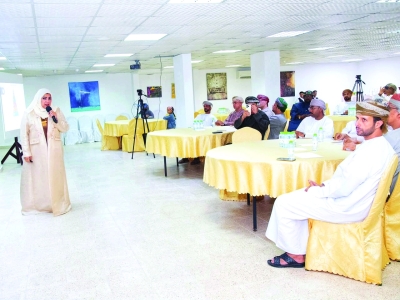

Need for Belonging at Center of Public Lecture in Salalah
Dar Al-Kitab Public Library in Salalah hosted a public lecture yesterday evening on the need for belonging and its impact on mental health. The event featured Sheikha Taghreed bint Turki bin Mahmoud Al Said, CEO and founder of the Learn to Inspire Center, and drew a cross-section of academics, cultural figures, and community members. The lecture foregrounded the social roots of psychological wellbeing.
Lecture Overview: Who, What, When, Where
The presentation took place at the library in Salalah and aimed to highlight how social relationships shape personal stability. Speakers and attendees examined the role of family, schools, friends and national identity in reinforcing a sense of belonging. Organizers said the session intended to provide practical insights for reducing isolation and preventing psychological disorders.
Need for Belonging and Mental Health
Sheikha Taghreed framed the need for belonging as a basic human requirement that directly influences mental health. According to the speaker, belonging operates through multiple circles—family, peers, educational institutions and the wider community—that build a person’s sense of security. Mental health professionals and public health literature similarly link a stable social network to lower rates of anxiety and depression.
Key Themes from the Presentation
The lecture outlined several central themes, beginning with a clear definition of belonging as an essential emotional and social need. Additionally, the speaker discussed the consequences of weakened belonging, including social withdrawal and diminished self-confidence. The session also explored how modern lifestyle changes, such as reduced face-to-face interaction, challenge deep trust and long-term relationships.
Physical and Psychological Effects
Speakers described how social connectedness can affect both psychological and physical wellbeing. Reduced social ties are associated with stress, sleep disruption and lowered resilience, while strong relationships can buffer daily pressures. The discussion emphasized that improving social bonds is a preventive strategy as much as a therapeutic one.
Practical Steps to Improve Social Connectedness
Practical recommendations from the lecture included fostering effective communication, increasing participation in community engagement, and creating supportive environments at home and school. The speaker highlighted small, actionable behaviors such as regular check-ins, volunteering, and inclusive group activities. Furthermore, structured programs in workplaces and educational settings were presented as ways to institutionalize social support.
Challenges to Building Belonging in Contemporary Life
Participants discussed obstacles that make belonging harder to achieve, including busy schedules, digital distractions and mobility that separates families. The lecture acknowledged that building trust takes time and requires consistent effort from individuals and institutions. Therefore, policies and community initiatives that prioritize long-term relationship building were described as important.
Community and Institutional Implications
The talk connected individual wellbeing to broader community health and suggested that libraries, schools and civic organizations play a key role in strengthening ties. Local cultural institutions were portrayed as neutral spaces where different segments of society can connect. Meanwhile, mental health advocates said policy makers should consider social connectedness alongside clinical services when planning public health interventions.
Role of Education and Family in Sustaining Belonging
Education settings and family environments were emphasized as foundational arenas for cultivating belonging. The speaker noted that early experiences of acceptance and respect shape lifelong social skills. In addition, community engagement initiatives that involve families and schools can amplify the protective effects on mental health.
What to Watch Next
Attendees were encouraged to monitor the library’s event calendar for similar talks and community programs that address social connectedness and mental health. Observers said follow-up workshops or local partnerships could help translate insights into practice. Authorities and organizers may prioritize initiatives that measure impact over time.
Conclusion and Forward Look
The lecture in Salalah reiterated that the need for belonging is central to psychological wellbeing and community resilience. Moving forward, stakeholders should watch for practical programs and collaborative efforts that promote social connectedness. Readers should look for upcoming community events and educational initiatives that aim to transform awareness into sustained support for mental health.