






Gulf Research Meeting draws regional and global experts
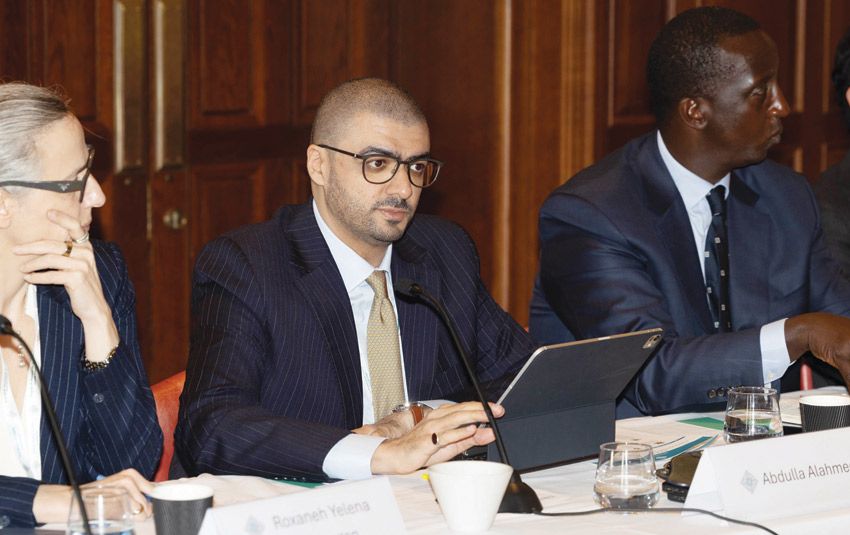
Abdullah Mohammed Al-Ahmed, chief executive of the Bahrain Centre for Strategic, International and Energy Studies (Drasat), participated in the 16th annual Gulf Research Meeting at the University of Cambridge, joining about fifty senior decision-makers, diplomats and specialists from the Gulf, Europe and Asia. The Gulf Research Meeting provided a platform to discuss regional security, economic resilience and strategic partnerships.
The event took place at Cambridge and convened government officials, academics and industry representatives in a series of closed and public sessions. Participants addressed how recent geopolitical shifts are reshaping Gulf security and economic supply chains, and explored options for deepening defence and industrial cooperation.
Sessions highlighted regional security and defence-industrial cooperation
At the meeting, Drasat’s CEO spoke in two main sessions, including a high-level closed roundtable titled “Searching for Flexible Regional Security Pathways.” Abdullah Mohammed Al-Ahmed stressed that Gulf security is tightly linked to global dynamics beyond the region’s borders and that recent geopolitical changes have validated the effectiveness of existing Gulf defence systems and strategic partnerships.
He argued for a move from transactional ties toward more integrated defence-industrial cooperation, urging Gulf states to invest jointly in research and development and advanced technologies. According to officials, such collaboration could strengthen deterrence and reduce vulnerabilities in critical sectors.
Supply chain resilience and the need for proactive crisis preparedness
In the opening plenary, participants examined how conflicts and disruptions have affected Gulf societies and commerce. Abdullah Mohammed Al-Ahmed noted that recent interruptions to supply chains and international shipping routes underscored the importance of Gulf solidarity in maintaining the flow of essential goods.
He recommended a shift from reactive crisis management to anticipatory readiness, calling for enhanced logistical integration, development of early-warning systems and implementation of lessons from the Jeddah extraordinary summit to consolidate regional stability. These measures, he said, would help protect trade corridors and energy exports that are vital to Gulf economies.
Policy implications for Gulf security and economic stability
Discussion at the Gulf Research Meeting centered on practical policy steps to strengthen collective resilience. Participants emphasized three interlinked priorities: strengthening defence interoperability, investing in joint research and development, and improving regional logistics networks to weather future shocks.
Experts observed that closer defence-industrial ties can create long-term strategic autonomy while supporting economic diversification. Furthermore, bolstering supply chain resilience through shared infrastructure and coordinated contingency planning could reduce the economic costs of future disruptions.
Recommendations from regional experts
Speakers at the meeting urged governments to prioritize dual-use technology partnerships, expand training and interoperability programs among Gulf armed forces, and establish coordinated procurement strategies. Additionally, analysts recommended enhancing maritime security cooperation and public-private collaboration to modernize port and transit capacities.
Academic and diplomatic perspectives at Cambridge
The University of Cambridge-hosted forum blended scholarly research with policy debate, creating a space for candid exchanges among diplomats and analysts. Academics presented research on regional threat perceptions, while practitioners outlined operational constraints and opportunities for cooperation.
Organizers said that this mix of perspectives helps translate research findings into actionable policy ideas. Participants noted that evidence-based dialogue can support confidence-building measures and facilitate the design of joint projects that span defence, technology and logistics sectors.
What to watch next: follow-up and implementation
Following the Gulf Research Meeting, observers will monitor whether participating governments and institutions convert discussion into concrete initiatives. Key indicators include joint research funding announcements, new defence-industrial partnerships, and coordinated investments to enhance port and supply chain resilience.
Regional leaders are also expected to incorporate meeting recommendations into upcoming policy forums and summit communiqués. Meanwhile, research centers like Drasat plan to refine proposals and support pilot programs that demonstrate the value of collaborative approaches.
Conclusion and outlook
The Gulf Research Meeting reinforced calls for deeper regional cooperation in security and economic resilience, with Abdullah Mohammed Al-Ahmed urging a strategic shift toward defence-industrial partnerships and proactive crisis preparedness. Over the coming months, attention will focus on whether governments and private actors adopt the meeting’s policy recommendations and launch tangible projects.
Readers should watch for announcements of joint research initiatives, procurement agreements, and logistics integration efforts that could materialize within the next year. Such steps would signal a move from dialogue toward implementation on the priorities identified at Cambridge.