


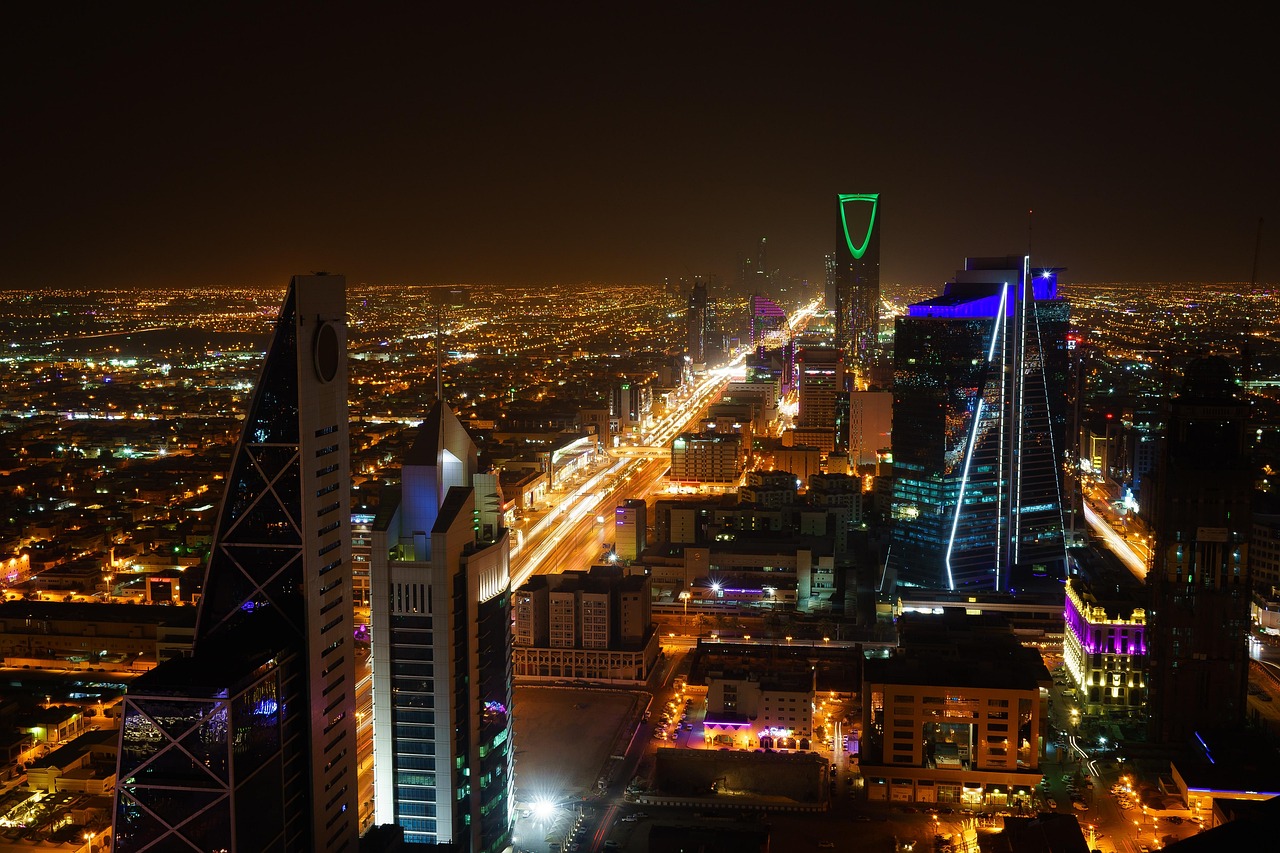

Over the past few years Saudi Arabia has emerged as one of the most watched markets for high-end travel. A mix of strategic reforms, large-scale investments and unique cultural and natural assets is transforming the kingdom into a global luxury destination.
Strategic Vision and Policy Reform
Saudi Arabia’s Vision 2030 set a clear national goal: diversify the economy away from oil and build a sustainable tourism sector. As part of that strategy the government implemented visa liberalization, streamlined licensing, relaxed regulations for international investors and opened the country to leisure travelers. These policy shifts have reduced barriers for wealthy international visitors and for global brands seeking to enter the market.
Massive Investment in Iconic Projects
Multi‑billion-dollar projects are at the heart of the kingdom’s luxury pivot. Developments such as NEOM, the Red Sea Project, Amaala, Diriyah and Qiddiya are designed to offer world‑class infrastructure and exclusive experiences: private islands, ultra‑luxury resorts, dedicated wellness retreats, and bespoke adventure offerings. The scale and ambition of these projects attract international hotel groups and affluent travelers looking for novelty and privacy.
Rapid Expansion of Luxury Hospitality and Retail
Leading global hotel brands and boutique luxury operators have expanded into Saudi Arabia, opening flagship properties and branded residences. These hotels bring familiar high standards of service, private dining options, curated excursions and loyalty network benefits that appeal to high–net–worth travelers. Parallel growth in upscale shopping districts and integrated resort retail means luxury goods and bespoke services are increasingly available.
Unique Cultural and Heritage Assets
Saudi Arabia’s ancient sites and living cultural traditions are a major draw. Places such as AlUla and the archaeological site of Hegra offer UNESCO‑grade history framed by dramatic desert landscapes. Carefully managed cultural tourism — including curated archaeological tours, luxury camping, and high-end cultural events — appeals to affluent travelers seeking authentic and exclusive experiences.
Exceptional Natural Scenery and Experiential Offerings
The kingdom’s geography spans pristine Red Sea coastlines, coral reefs, vast deserts and rugged mountains. These environments are ideal for high‑end experiential travel: private yacht charters, bespoke diving expeditions, desert safaris with luxury camps, heli‑tours, and personalized adventure itineraries. Eco‑conscious luxury, combining sustainability and privacy, is particularly attractive to premium travelers.
Major Events, Festivals and Entertainment
Saudi Arabia has increased its calendar of international concerts, sporting events, art festivals and fashion showcases. These events draw affluent regional and international visitors and create a year‑round demand for premium accommodation, VIP services and exclusive hospitality packages.
Improved Connectivity and Customer Experience
Expanded international flight routes, upgraded airports and streamlined arrivals make the kingdom more accessible. Investments in hospitality training and service standards are improving guest experiences, while concierge services and private transport options cater to the expectations of luxury travelers.
Sustainability and Wellness as Luxury Differentiators
Many new developments are positioning themselves as sustainable and wellness‑focused, integrating conservation and regenerative tourism into their offerings. High‑end travelers increasingly value privacy combined with responsible travel — a niche that Saudi projects are actively promoting through protected marine reserves, low‑density resorts and wellness retreats.
Economic Impact and Market Momentum
The growth of luxury tourism supports job creation in hospitality, construction and creative industries, and helps develop local supply chains for high‑end experiences and products. The presence of international luxury brands also signals confidence and encourages further private investment, creating positive momentum for the sector.
Challenges and Considerations
- Balancing rapid development with cultural sensitivities and local community interests.
- Addressing global perceptions about social and human rights issues that can influence traveler decisions.
- Managing seasonality and ensuring year‑round appeal in a region with extreme summer temperatures.
- Delivering consistent high service standards as the workforce and training infrastructure scale up.
Conclusion
Saudi Arabia’s fast‑growing luxury tourism sector is the result of strategic reform, major investments in infrastructure and iconic projects, and the leveraging of exceptional cultural and natural assets. While challenges remain, the kingdom is positioning itself to offer a distinct luxury product — combining exclusivity, heritage and bold new experiential offerings — that is increasingly attractive to affluent travelers worldwide.