





Jeddah counterfeit goods seized in two municipal raids
Jeddah Municipality said its field teams conducted two inspection campaigns yesterday that intercepted a total of 3,699 counterfeit items before they reached retail markets. The Jeddah counterfeit goods included clothing and accessories bearing fake club logos and branded marks, officials said, as part of an ongoing effort to curb unauthorized commercial activity and protect consumers.
Details of the operations and items confiscated
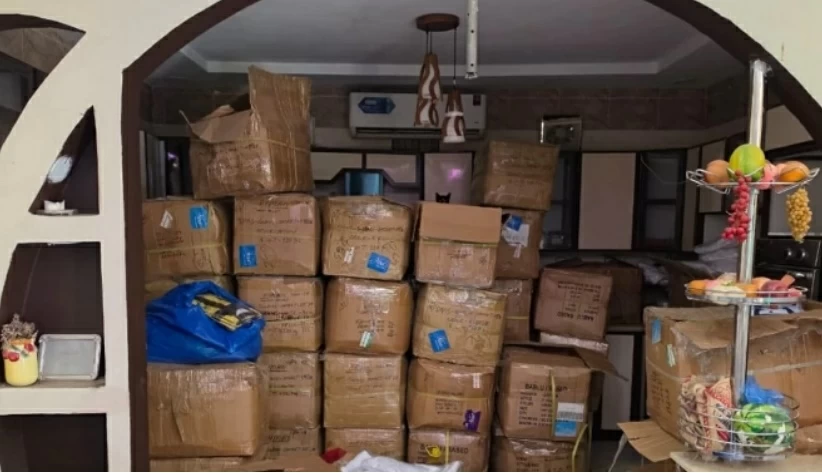
According to the Directorate General for Monitoring and Addressing Negative Phenomena, led by Yasser bin Siraj Bakhsh, the two campaigns uncovered sewing and embroidery operations housed in residential premises in the southern and central districts of the governorate. Teams seized and destroyed all counterfeit apparel and confiscated 19 machines and pieces of equipment used for stitching, embroidery, printing and cutting.
In one joint raid in the University branch municipal area, inspectors found two rooms used for producing fake branded clothing and related printing work. Authorities reported the destruction of 1,029 counterfeit garments and the seizure of eight devices, while 850 pieces that were free of logos were handed over to the Estidama Association for Food Preservation for redistribution and reuse.
Main enforcement partners and legal follow-up
The municipal campaigns were carried out with support from the University and Aziziyah branch municipalities and in coordination with the Zakat, Tax and Customs Authority, the Ministry of Commerce, Civil Defence and the Saudi Authority for Intellectual Property. Officials said suspected violators were referred to relevant agencies to complete regulatory procedures and potential prosecutions under commercial and intellectual property laws.
Furthermore, the municipality emphasized that the confiscated equipment—embroidery, sewing, printing and cutting machines—will remain in custody pending legal review. This joint approach aims to streamline evidence collection and ensure that penalties reflect the severity of organized counterfeiting operations.
Why authorities targeted residential production sites
Inspectors identified that some operations exploited residential apartments and commercial-residential buildings to conceal manufacturing of fake branded clothing. Such practices not only violate intellectual property rights but also create public safety and hygiene risks, officials said. Therefore, municipal teams are intensifying inspections to deter the conversion of living spaces into illicit production sites.
In addition, authorities noted that small-scale production within homes can rapidly supply local markets with counterfeit goods, undermining legitimate businesses and harming consumers. Municipal raids are intended to interrupt supply chains early and reduce the availability of counterfeit merchandise in retail channels.
Context: counterfeit goods, intellectual property and consumer protection
Counterfeiting of clothing and brand marks is a persistent challenge in many urban centers. The Saudi Authority for Intellectual Property and the Ministry of Commerce have repeatedly urged coordinated enforcement to protect trademarks, copyrights and consumer rights. According to official statements, proactive municipal inspections are a key element in national efforts to reinforce intellectual property enforcement and maintain market integrity.
Related secondary concerns include public safety, tax compliance and fair competition. The involvement of the Zakat, Tax and Customs Authority in the Jeddah operations reflects the broader fiscal and regulatory implications of counterfeit trade, while Civil Defence participation ensures that seized premises meet safety standards during and after intervention.
Implications for local businesses and consumers
Local retailers and brand owners welcomed the raids as a positive step toward reducing the circulation of fake branded clothing. By removing thousands of counterfeit items before they reached shelves, municipal teams help protect legitimate retailers and consumers from fraud and substandard products. Meanwhile, the donation of unbranded garments to a charity group demonstrates an effort to salvage usable items and reduce waste.
Officials urged consumers to buy from authorized sellers and to report suspicious vendors or production sites. They also encouraged businesses to register and protect their intellectual property rights through the appropriate government channels to facilitate quicker enforcement when infringements occur.
Next steps and what to watch
Jeddah Municipality said it will continue routine and targeted inspections across the governorate to strengthen compliance and public safety. Observers should watch for announcements about additional joint campaigns, the outcome of regulatory referrals, and any policy updates from the Ministry of Commerce or the Saudi Authority for Intellectual Property aimed at streamlining enforcement.
Furthermore, follow-up reporting is expected on whether the confiscated machines are disposed of, repurposed, or returned as part of legal resolution. Residents and businesses are advised to monitor official channels for guidance on reporting mechanisms and legal requirements.