






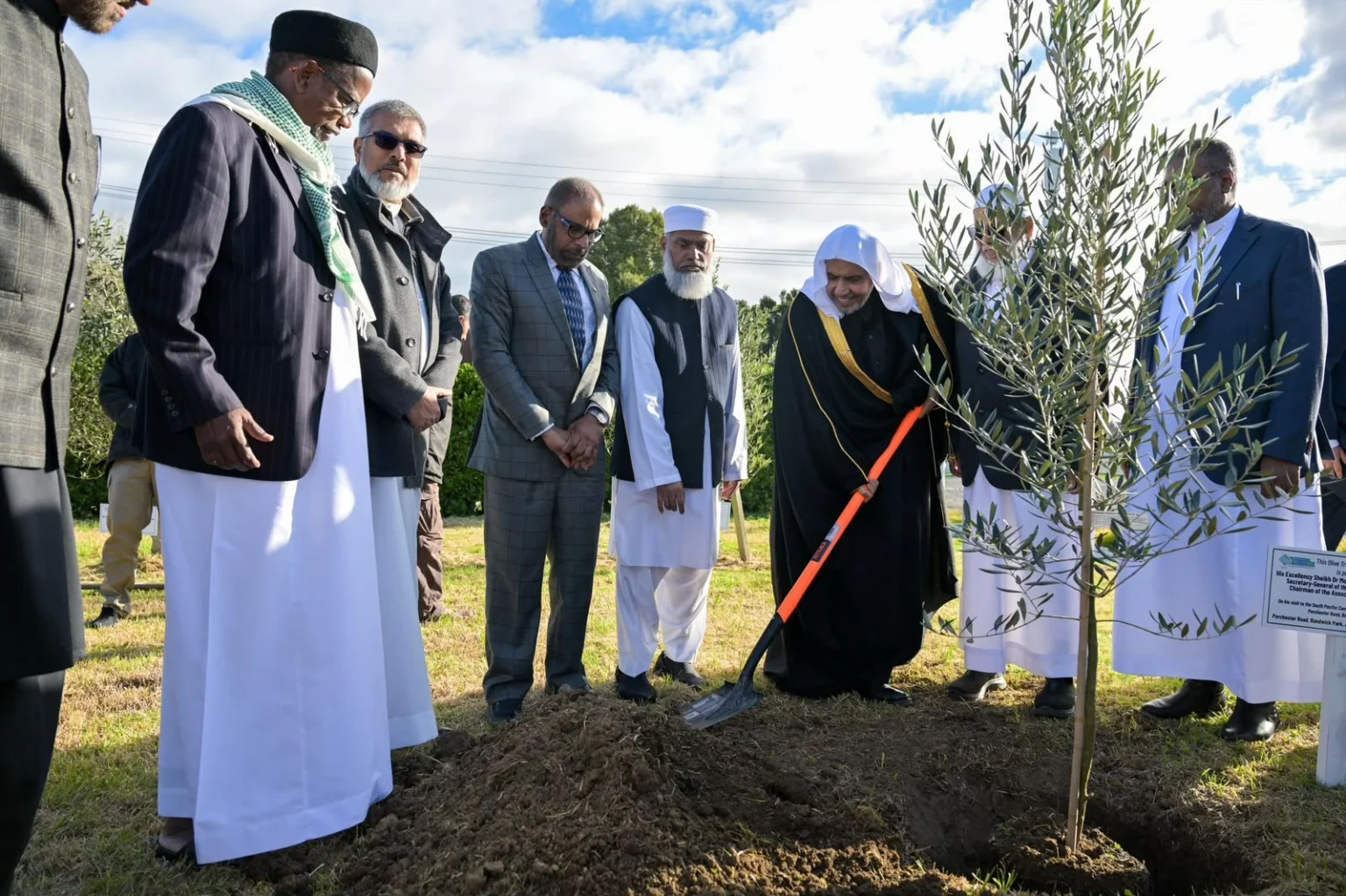

Islamic centre in Auckland inspected in first construction phase
Al-Eissa recently inspected the first phase of construction for the Islamic centre in Auckland, officials said. The visit, announced in a brief statement twelve hours ago, focused on foundational work, site planning, and early coordination with local partners. The inspection underscores the project’s progress and signals continued engagement between the project organizers and local authorities.
Who visited and where the work is taking place
According to the project office, Al-Eissa conducted an on-site review at the designated urban location in Auckland, New Zealand. Engineers, project managers, and representatives of the local Muslim community were present during the visit to review technical aspects and community needs. Meanwhile, municipal planners confirmed they have been coordinating with the project team on access, utilities, and zoning compliance.
Details of the first phase and construction progress
The first phase focused on site preparation, foundational works, and preliminary infrastructure necessary to support future buildings, the project office said. Work observed during the inspection included excavation, grading, and installation of initial utilities. Furthermore, safety protocols and environmental safeguards were reportedly in place to align with local requirements, according to officials.
Why the Islamic centre in Auckland matters to stakeholders
Developers and community leaders say the Islamic centre in Auckland is intended to function as both a place of worship and a broader community hub. The project aims to provide religious services, educational programming, and social support for the local Muslim population, while also offering spaces for interfaith dialogue and cultural events, officials indicated. Therefore, the center is framed as an asset for both the Muslim community and the wider Auckland public.
Community response and engagement with local authorities
Local Muslim groups have been involved in consultations to shape the centre’s services and design, the project office noted. Additionally, city planners reported ongoing engagement to ensure traffic, parking, and noise considerations meet community standards. Meanwhile, civic leaders emphasized that transparent communication remains a priority as construction progresses through subsequent phases.
Input from technical and planning teams
Engineers at the site described the inspection as an opportunity to validate the technical schedule and address early challenges. They said the first-phase work must meet specific standards before vertical construction can begin. Therefore, thorough review at this stage aims to reduce delays and align the build with both local codes and the community’s expectations.
Funding, governance and operational planning
Organizers stated that funding is being coordinated through a combination of community contributions and institutional support, although specific financial details were not disclosed in the public statement. Governance arrangements are reportedly being developed to manage operations, programming, and maintenance once the centre opens. Furthermore, officials indicated these arrangements will involve local stakeholders to ensure long-term sustainability.
Potential challenges and regulatory considerations
Project organizers and municipal officials acknowledged potential hurdles, including permitting, traffic mitigation, and community integration. The regulatory review process in Auckland requires adherence to city planning standards and environmental assessments. Therefore, the pace of the next phases may be influenced by approvals, technical adjustments, and continued stakeholder consultations.
Implications for the Auckland Muslim community and broader city
For residents, the planned centre is expected to expand capacity for religious services, cultural education, and social programs. The facility may also provide meeting spaces that local nonprofits and civic groups can use, officials said. In contrast, some local residents have asked for more information on the centre’s design and operational plans, prompting organizers to schedule additional public briefings.
Next steps and timeline to watch
Project leaders indicated that the next key steps will include completion of foundational work, securing additional permits, and beginning the second construction phase, which will likely involve structural works and internal systems. While no firm opening date has been announced, the inspection signals momentum and a sequence of upcoming milestones that observers can track. Therefore, interested residents and stakeholders should watch for subsequent announcements from the project office and local authorities.
How the project aligns with wider community objectives
The planned Islamic centre is positioned as consistent with Auckland’s broader aims for inclusive community infrastructure and cultural diversity. By offering educational and social services, the centre aims to address local needs while fostering opportunities for cross-community engagement. Furthermore, project organizers said they plan to continue coordinating with city agencies to ensure the facility contributes positively to the urban environment.
Conclusion: what to expect next
The recent inspection by Al-Eissa marks a formal review of early construction work for the Islamic centre in Auckland and highlights collaboration among project leaders, technical teams, and local representatives. Observers should expect announcements about the transition to the second phase, updates on permitting, and additional community consultations in the coming months. Therefore, follow-up statements from the project office and city planning department will be the primary sources to monitor for precise timelines and further details.