




National Awareness in the Digital Age
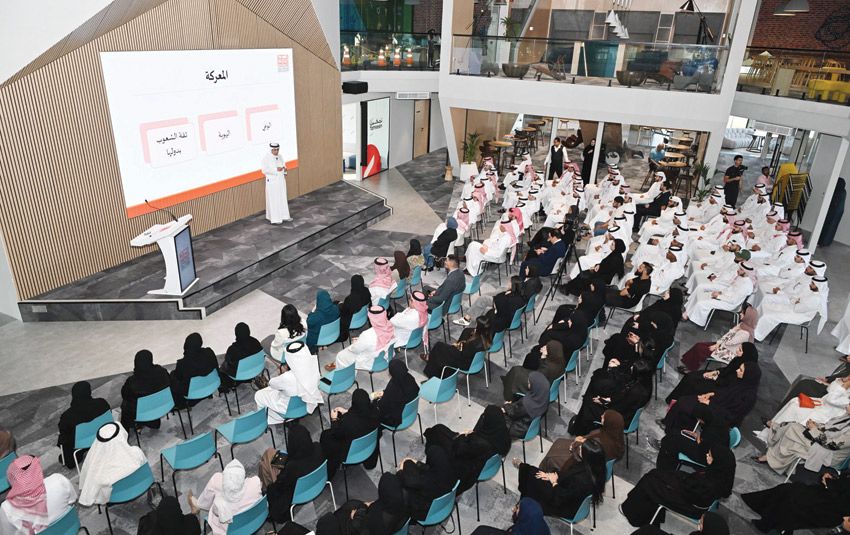
Dr. Ali bin Mohammed Al-Rumaihi, chairman of the Board of Trustees of the Bahrain Institute for Political Development, told a youth forum that strengthening national awareness is essential to safeguarding communities in an era of rapid digital change. The event, held as part of the institute’s “National Awareness” program, took place at the Injaz Bahrain building in Umm Al Hassam with young participants and media professionals in attendance.
The two-hour session, titled “The Nation-State in the Era of New Media: Security and Awareness, Identity and Belonging,” brought together students, journalists and civic activists to examine how new media shapes public opinion and national cohesion. According to institute officials, the meeting aimed to deepen political awareness and reinforce civic values amid rising online misinformation and algorithmic manipulation.
New Media Risks and the Need for Digital Literacy
Dr. Al-Rumaihi outlined the ways in which new media has become a primary tool for shaping popular views, arguing that its benefits are matched by risks such as disinformation campaigns, cyber operations and targeted manipulation. He emphasized that digital literacy must be scaled up so users can critically assess content, verify sources and resist sensationalist narratives.
Furthermore, he urged attendees to adopt a principle of verification: treat any unconfirmed report as unverified until corroborated. This recommendation aligns with broader efforts by civil society and media organizations to promote fact-checking and responsible sharing practices. Meanwhile, experts at the event highlighted how algorithmic amplification can elevate fringe content, underscoring the need for better public understanding of platform mechanics.
Building Political Awareness and Civic Resilience
During the forum, Dr. Al-Rumaihi described political awareness as an informed comprehension of the political system, rights, duties and the analytical tools required to interpret events objectively. He differentiated rational, national-oriented political awareness from politicized reactions driven by selectivity or emotion, which he said can undermine stability and civic trust.
He noted that the cultivation of political awareness is a shared responsibility across government institutions, educational bodies, media outlets and civil society. Therefore, the institute’s program seeks to provide sustained educational content, workshops and dialogue platforms to help citizens, especially youth, develop sober judgment and engage constructively in public life.
Protecting Identity and Promoting Social Cohesion
Identity preservation was another core topic at the meeting. Dr. Al-Rumaihi argued that national identity rests on language, history, culture, values and traditions, which together anchor citizens’ sense of belonging. He called on families, schools, national media and religious institutions to collaborate in transmitting those cultural foundations to younger generations.
He warned that sectarianism, intolerance and hate speech pose the gravest threats to national stability. According to his remarks, societies that maintain unity and public confidence in state institutions are better equipped to withstand divisive narratives, while communities that succumb to rumor and polarization pay a heavy price in security and social cohesion.
Youth Engagement and Responsibilities in the Digital Sphere
Participants actively engaged in the discussion, raising questions about the role of youth in strengthening national awareness and defending intellectual security. The session featured exchanges on practical steps young people can take, from participating in community dialogue to developing critical media skills and supporting evidence-based reporting.
Dr. Al-Rumaihi underscored that freedom of expression carries an attendant duty: responsible use of digital platforms. He encouraged young users to cultivate habits that reduce the spread of false information, such as cross-checking claims, consulting credible sources and pausing before sharing sensational material. These measures, he said, help protect both individual reputations and national interests.
Institutional Roles and Collaborative Measures
The forum stressed that advancing national awareness requires institutional coordination. Educational curricula should incorporate digital literacy and civic education, while public broadcasters and national media can produce accessible explainers that clarify constitutional rights and civic processes. Civil society organizations can complement these efforts with local workshops and peer-led initiatives.
Officials at the Bahrain Institute for Political Development indicated that the National Awareness program will continue through the year, offering targeted sessions designed to raise political awareness and encourage constructive participation in the country’s development. Collaboration with media outlets and schools is planned to widen reach and impact.
Conclusion and What to Watch Next
As Bahrain and other states navigate accelerating digital transformations, the institute’s initiative highlights a pragmatic strategy: strengthen national awareness, expand digital literacy and reinforce social cohesion through coordinated education and media engagement. Observers should watch for further program activities, partnerships with educational institutions and public campaigns intended to counter misinformation and foster informed civic participation.
Next steps include a series of follow-up workshops and public outreach events scheduled by the institute, which are expected to focus on practical verification techniques, youth engagement tools and mechanisms for constructive dialogue. These efforts aim to sustain momentum and to measure progress in building resilient, informed communities in the digital age.