




Mohammed bin Mubarak Al Khalifa Academy for Diplomatic Studies: Third Board Meeting
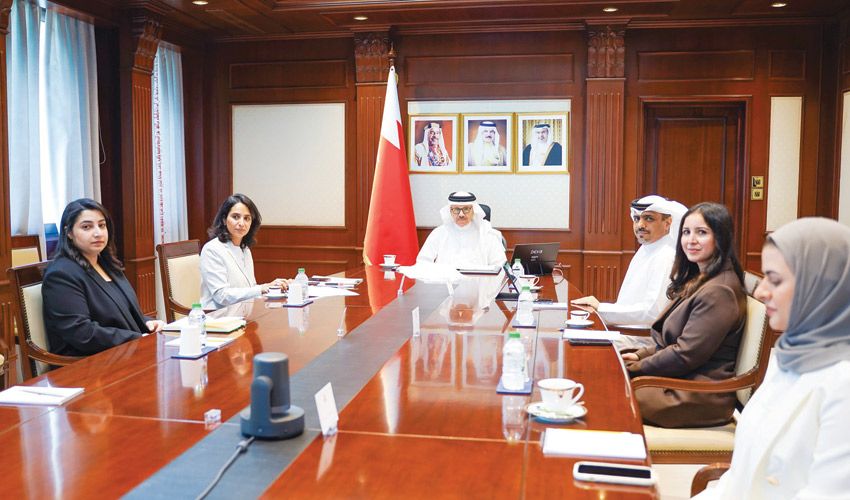
Dr. Abdullatif bin Rashid Al Zayani, Minister of Foreign Affairs, chaired the third Board of Trustees meeting for the 2025–2026 academic year of the Mohammed bin Mubarak Al Khalifa Academy for Diplomatic Studies, with board members in attendance. The meeting reviewed recent progress, presented operational statistics, and considered strategic projects intended to strengthen diplomatic training and capacity within the foreign ministry.
The session took place at the ministry’s premises and focused on program delivery, language instruction outcomes, and infrastructure developments. According to official statements, the agenda prioritized the academy’s role in supporting the ministry’s human resources and long-term diplomatic capacity building objectives.
Training Achievements and Language Programs
The academy’s director general, Ambassador Dr. Sheikha Munira bint Khalifa Al Khalifa, briefed trustees on training output and language education for the current academic year. The report indicates measurable gains in course completion and participant engagement, which officials say contribute directly to improved operational readiness across ministry staff.
Furthermore, the director general outlined enhancements to curriculum design and instructor resources intended to align modules with contemporary diplomatic practice. These changes aim to integrate scenario-based exercises, negotiation simulations, and targeted language modules to support diplomats posted to multilingual environments.
Diplomatic Training Methods and Outcomes
During the review, trustees discussed how updated pedagogical approaches are woven into the academy’s diplomatic training programs. Officials highlighted a stronger emphasis on practical skills, digital diplomacy, and cross-cultural communication, which are being paired with continuous assessment to monitor impact and inform future offerings.
Additionally, the meeting considered partnerships with external institutions and subject-matter experts to broaden course content and introduce specialized short courses. The ministry stated that such collaborations are expected to enhance the academy’s capacity to prepare personnel for diverse diplomatic challenges.
New Academy Building and Strategic Implications
Board members examined progress on the new academy building, describing the project as a qualitative addition that will provide a modern learning and training environment. The proposed facility is intended to support expanded intake, upgraded simulation labs, and dedicated spaces for language immersion and multimedia instruction.
Planners said the facility will also serve as a regional hub for diplomatic exchanges and workshops, enabling the academy to host visiting delegations and cross-border training initiatives. Therefore, the new building is positioned not only as physical infrastructure but as an enabler for broader diplomatic capacity building across the ministry.
Officials emphasized the importance of aligning construction timelines and internal resource planning so that the academy can scale programming once the facility is operational. Trustees affirmed their support for ensuring that infrastructure investments are coordinated with curriculum upgrades and staff development efforts.
Board of Trustees Support and Governance Priorities
Members of the Board of Trustees commended progress on strategic initiatives and reinforced their commitment to ongoing oversight and support. The council noted that governance continuity and active engagement by senior leadership are critical to sustaining momentum in training outcomes and institutional development.
Trustees recommended strengthened monitoring mechanisms and periodic performance reviews to ensure that the academy’s outputs remain aligned with the foreign ministry’s evolving needs. They also urged continued investment in faculty development, digital learning platforms, and externally accredited courses to raise the academy’s profile and effectiveness.
Meanwhile, the board discussed resource allocation strategies to balance immediate training demands with longer-term investments, including scholarship pathways and exchange programs designed to broaden staff experience and networks.
Implications for the Foreign Ministry and Diplomatic Capacity Building
The meeting underscores an institutional push to professionalize diplomatic services through coordinated training and infrastructure modernization. By prioritizing language proficiency, practical training, and facility upgrades, the Mohammed bin Mubarak Al Khalifa Academy for Diplomatic Studies is positioned to play a central role in the foreign ministry’s workforce development strategy.
Analysts say that strengthening domestic training capacities can reduce reliance on external programs and foster a tailored approach to national diplomatic priorities. Furthermore, investing in a modern academy building could enable the ministry to host regional initiatives that reinforce bilateral and multilateral cooperation on diplomacy-related topics.
Officials pointed out that enhanced training pipelines are also relevant to career progression frameworks within the ministry, supporting succession planning and specialized role preparation for complex diplomatic assignments.
Next Steps and What to Watch
Looking ahead, trustees expect continued reporting on construction milestones for the new academy building and periodic updates on program performance. The board indicated that future meetings will focus on implementation timelines, resource mobilization, and metrics that track training effectiveness and participant outcomes.
Readers should watch for announcements regarding the academy’s phased move into the new facility, details of new accredited courses, and any public partnerships that extend the academy’s reach. The ministry has signaled that these developments will be coordinated carefully to maximize the impact on diplomatic training and institutional capacity.
In conclusion, the board meeting reaffirmed institutional support for the academy’s development and laid out a framework for aligning training, facilities, and governance with the foreign ministry’s strategic objectives. Stakeholders will monitor project timelines and curriculum rollouts as the academy advances toward its next phase of expansion.