






The Gulf region offers a surprising mix of futuristic skylines, desert wilderness, ancient ruins and coastal escapes. This guide highlights the Top 10 Best Tourist Attractions in the Gulf Region with practical details you can use when planning a 1–2 week trip across the United Arab Emirates, Saudi Arabia, Qatar, Oman, Bahrain and Kuwait.
Each attraction below includes what to expect, the nearest airports or cities, best time to visit, and tips to make the most of your visit. Read the Quick Answer if you want the short list, then explore the detailed entries for itineraries, comparisons, and mistakes to avoid.
Quick Answer
The Top 10 Best Tourist Attractions in the Gulf Region are: Burj Khalifa (Dubai), Sheikh Zayed Grand Mosque (Abu Dhabi), AlUla / Hegra (Saudi Arabia), Museum of Islamic Art & Souq Waqif (Doha, Qatar), Sultan Qaboos Grand Mosque & Mutrah Corniche (Muscat, Oman), Wadi Shab (Oman), Louvre Abu Dhabi (UAE), Bahrain Fort (Bahrain), Kuwait Towers (Kuwait City), and the Edge of the World (near Riyadh, Saudi Arabia).
Key Takeaways
- The Gulf blends modern cities and ancient sites—plan both urban and outdoor days.
- Best seasons: fall through spring for comfortable temperatures (October–April).
- Major hubs are Dubai (DXB), Abu Dhabi (AUH), Doha (DOH), Muscat (MCT), Riyadh (RUH) and Kuwait City (KWI).
- Book guided tours for archaeological sites and desert excursions to gain local context and safety.
- Respect local dress codes and prayer times, and check visa rules before travel.
Top 10 Best Tourist Attractions in the Gulf Region — Full List and What Makes Each Special
1. Burj Khalifa & Dubai Fountain, Dubai, United Arab Emirates
Why go: The world’s tallest tower is a symbol of the Gulf’s modern cityscapes. Views from “At the Top” and the evening Dubai Fountain shows are unmissable for first-time visitors.
Getting there: Fly into Dubai International Airport (DXB). Dubai Metro and taxis connect easily to Downtown Dubai.
Tip: Book observation deck tickets in advance for sunset slots. Combine the visit with a walk through Dubai Mall and Al Fahidi if you have time.
2. Sheikh Zayed Grand Mosque, Abu Dhabi, United Arab Emirates
Why go: An architectural landmark with immaculate marble, reflective pools and a welcoming visitor program that explains local culture and dress etiquette.
Getting there: Abu Dhabi International Airport (AUH) is closest; Abu Dhabi is about 1–1.5 hours by car from Dubai.
Tip: Free guided tours are offered; modest dress is required. Visit at dawn or dusk to avoid the midday heat and crowds.
3. AlUla (Hegra), Saudi Arabia
Why go: AlUla’s sandstone formations and Nabataean tombs at Hegra are Saudi Arabia’s answer to Petra—archaeology, dramatic desert landscapes and increasingly accessible visitor infrastructure.
Getting there: AlUla has a regional airport (ALU) with seasonal international connections; otherwise fly via Riyadh or Jeddah and connect.
Tip: Book official guided tours for Hegra and the old town; temperatures vary widely between day and night—pack layers.
4. Museum of Islamic Art & Souq Waqif, Doha, Qatar
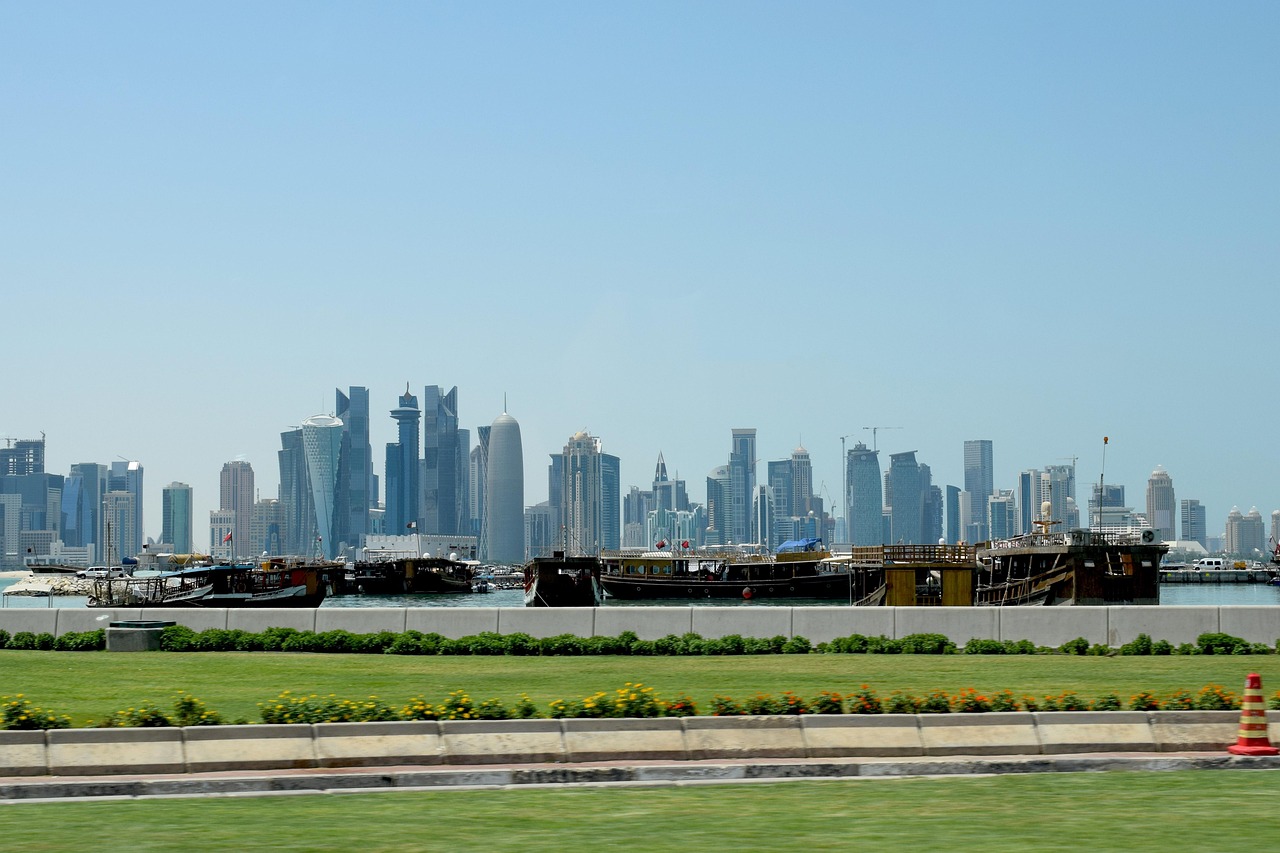
Why go: Doha pairs a world-class museum on the Corniche with the lively, sensory Souq Waqif for dining, crafts and traditional architecture.
Getting there: Hamad International Airport (DOH) serves Doha with many international carriers including Qatar Airways.
Tip: Walk the Corniche at sunset, then explore Souq Waqif’s restaurants. Check opening hours for the museum and souq—you’ll find more activity late afternoon into evening.
5. Sultan Qaboos Grand Mosque & Mutrah Corniche, Muscat, Oman
Why go: Muscat balances refined mosque architecture with a relaxed seafront vibe. The Grand Mosque showcases exquisite tilework and a memorable prayer hall; Mutrah Corniche and the fish market offer local color.
Getting there: Muscat International Airport (MCT) and a short drive to the old harbor area.
Tip: Non-Muslim visitors are welcome at the mosque during visiting hours—check for guided tours and dress modestly. Early morning is best for a peaceful Mutrah walk.
6. Wadi Shab, Oman
Why go: For a dramatic contrast to gulf cities, Wadi Shab is a freshwater canyon with turquoise pools and short hikes that end at a cavern with a waterfall.
Getting there: About 2 hours from Muscat by car; organized day trips and local taxis are common.
Tip: Bring water shoes and a dry bag. Swimming and clambering through the wadi are the draw—avoid visiting after heavy rains and check local conditions first.
7. Louvre Abu Dhabi, Abu Dhabi, United Arab Emirates
Why go: The Louvre’s architectural dome and curated global collections make it a cultural highlight. It’s a quieter, reflective complement to busy Dubai.
Getting there: From Abu Dhabi city center or via taxi from Abu Dhabi Airport; many travelers combine it with Saadiyat Island beaches.
Tip: Audio guides and timed tickets improve the visit. Combine museum time with nearby heritage sites or a beach afternoon.
8. Qal’at al-Bahrain (Bahrain Fort) & Manama, Bahrain
Why go: Bahrain Fort is an archaeological site with layers of history, set near Manama’s modern Corniche and traditional souqs.
Getting there: Bahrain International Airport (BAH) is close to Manama. The fort is accessible by taxi and short drives from central hotels.
Tip: Visit the fort and then stroll Manama’s Bab el-Bahrain and the National Museum for context on the island’s trading history.
9. Kuwait Towers & Al Seef District, Kuwait City
Why go: The iconic Kuwait Towers overlook the Arabian Gulf and make a striking skyline photo; nearby waterfront promenades and malls provide leisure options.
Getting there: Kuwait International Airport (KWI) serves the capital; taxis are straightforward for short city transfers.
Tip: If you plan to visit observation areas, check operating hours. Mix the towers with local museums and dining along the Seif Palace area.
10. Edge of the World (Jebel Fihrayn), near Riyadh, Saudi Arabia
Why go: A dramatic limestone escarpment with vast desert views. This natural lookout is ideal for sunrise or sunset trips and short hikes for adventurous visitors.
Getting there: The Edge of the World is a few hours from Riyadh; most travelers go with 4×4 tours or private drivers and guided operators for safety and navigation.
Tip: Off-road conditions demand a capable vehicle and an experienced driver. Bring plenty of water and avoid solo travel after dark.
Comparisons, Mistakes to Avoid, and Practical Advice
- City vs. Nature: If you only have 5–7 days, split time between a hub (Dubai or Doha) and one nature site (Wadi Shab, AlUla or Edge of the World).
- Timing: Avoid extreme summer months for outdoor sites; plan archaeological visits for cooler months.
- Guides: For AlUla, Hegra ruins, and the Edge of the World, local guides not only explain history but also handle permits and logistics.
- Transport: Car rental is useful in Oman and Saudi Arabia; in UAE and Qatar, taxis and rideshares are convenient for city travel.
- Common mistake: Underestimating distances—the Gulf region covers large areas, and transfers can eat into single-day itineraries.
Best Tips for Planning Your Trip
- Check visa requirements early—rules vary by nationality and destination within the Gulf and change periodically. Use official government portals.
- Book flights to major hubs (DXB, DOH, AUH, MCT, RUH, KWI) and use regional carriers for short hops: Emirates, Etihad, Qatar Airways, Oman Air, Saudia, Gulf Air, Kuwait Airways.
- Buy travel insurance that covers medical evacuation and desert activities if you plan off-road excursions.
- Pack sun protection, light layers for air-conditioned interiors, and modest clothing for mosque visits and conservative areas.
- Reserve popular site time slots (Burj Khalifa, Louvre Abu Dhabi, guided AlUla tours) well ahead during high season.
Is it worth it? Who is this best for?
Yes—visiting the Top 10 Best Tourist Attractions in the Gulf Region is worth it for travelers who enjoy a mix of modern architecture, cultural museums, desert landscapes and archaeological exploration. The region suits culture seekers, photographers, food lovers and active travelers willing to mix city comforts with outdoor excursions.
Families will find accessible museums and waterfront promenades; adventure travelers should prioritize guided desert trips and hikes. Business travelers can wedge quick cultural visits into layovers at major hubs like Dubai and Doha.
Conclusion
The Gulf region delivers striking contrasts: gleaming skyscrapers and quiet canyons, contemporary museums and ancient tombs. Use the Top 10 Best Tourist Attractions in the Gulf Region as a flexible backbone for a trip that blends city sightseeing, cultural immersion and outdoor adventure. Check local entry requirements and seasonal conditions, book key tickets in advance, and balance your itinerary so you experience both the modern pulse and the natural quiet that make the Gulf unique.
Frequently Asked Questions
What is the best time of year to visit the Gulf region?
The best time is typically October through April when temperatures are milder and outdoor activities are comfortable. Summer months can be extremely hot, especially for desert hikes and outdoor sightseeing.
Do I need a visa to visit countries in the Gulf?
Visa requirements depend on your nationality and destination country—many GCC states offer e-visas or visa-on-arrival for many travelers. Always check the official government or embassy website for current rules before booking.
How many days should I spend to see the top attractions?
Plan at least 7–10 days to cover one or two major cities plus one natural or archaeological site. A focused 4–5 day trip can showcase a single hub like Dubai or Doha with a nearby day trip.
Is the Gulf region safe for tourists?
Most Gulf countries are generally safe for tourists with low violent crime rates, but exercise normal precautions, respect local laws and cultural norms, and follow travel advisories from your government. For remote desert trips, use licensed guides for safety.
Can I combine multiple Gulf countries in one trip?
Yes. Major carriers operate frequent regional flights between UAE, Qatar, Oman, Saudi Arabia, Bahrain and Kuwait, making multi-country itineraries feasible. Allow time for travel between cities and factor in immigration/visa times.
Are guided tours necessary for sites like AlUla or Edge of the World?
Guided tours are strongly recommended for archaeological sites and remote desert attractions for context, safety, and permit handling. Guides also improve the overall experience by explaining history and local customs.
What should I pack for visiting both cities and deserts in the Gulf?
Pack light, breathable clothing, a sun hat, sunscreen, a modest layer for mosque visits, comfortable walking shoes, and a warm layer for cooler desert nights. For canyon and water activities, include quick-dry clothing and water shoes.
How much should I budget for a trip to the Gulf?
Budget depends on travel style—major cities offer a range from mid-range hotels to luxury experiences. Flights between Gulf hubs are often affordable; factor in guided tours, domestic transfers, and meals when planning. Check current airfare and hotel rates when budgeting.