






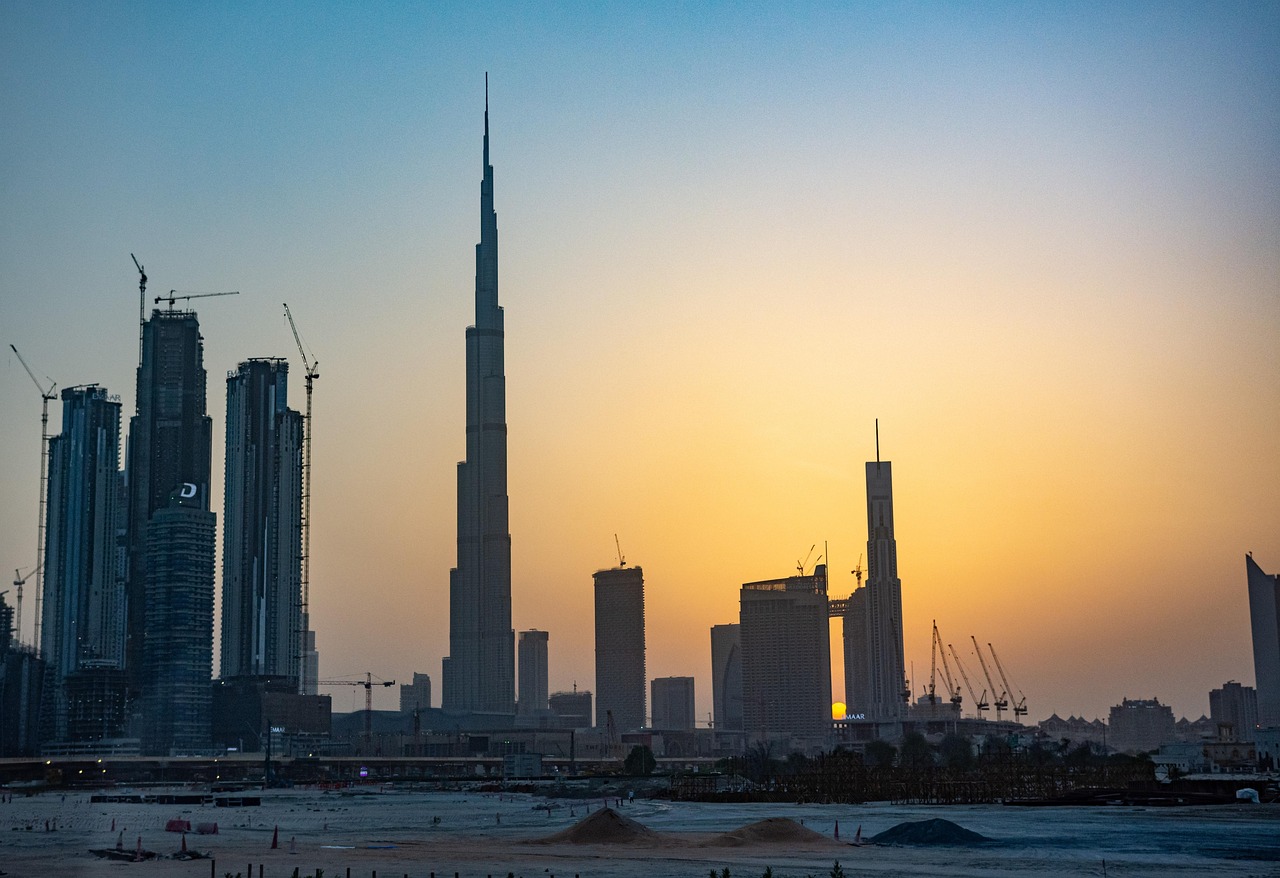

The Best Crypto Friendly Business Opportunities in UAE 2026 are concentrated where regulation, infrastructure and international finance meet: Dubai and Abu Dhabi. As the UAE refines its digital asset rules and free zones promote specialist licensing, entrepreneurs can choose between exchange platforms, tokenization projects, payments, custody, and niche services such as education and compliance advisory.
This guide cuts through hype and shows practical paths to start or expand a crypto venture in the UAE in 2026. It highlights local hubs, realistic challenges—banking, licensing and compliance—and traveler-friendly tips for short exploratory trips or longer relocations. Always confirm legal and visa details with official UAE sources before making commitments.
Quick Answer
The quickest route to capitalize on Best Crypto Friendly Business Opportunities in UAE 2026 is to base your operations in a supportive free zone (ADGM, DMCC or DIFC), secure a relevant crypto or fintech license, and pair that with a UAE corporate bank or regulated payment partner. Focus on high-demand niches—exchanges, custody, tokenization, payments, or compliance services—and plan visits to Dubai (DXB) and Abu Dhabi (AUH) to meet regulators, partners and co‑working communities.
Key Takeaways
- UAE free zones offer tailored licensing for crypto and blockchain businesses; choose one based on regulator alignment and business model.
- Top opportunities in 2026 include exchanges, custody, tokenization, crypto payments, and blockchain development services.
- Regulatory compliance, banking access, and solid KYC/AML processes remain the most important practical hurdles.
- Plan an exploratory trip to Dubai and Abu Dhabi to network, interview banks, and visit co‑working hubs and regulators.
- Consult local legal and tax advisors—rules evolve and the latest guidance from ADGM FSRA, DFSA, and UAE federal authorities is essential.
Why the UAE for crypto businesses in 2026?
Strategic location and business infrastructure
The UAE sits at the intersection of Europe, Asia and Africa, with major airports (Dubai International DXB, Abu Dhabi AUH) and a business ecosystem geared to international finance. That makes it easy to serve MENA, South Asia and European clients while maintaining a global compliance posture.
Regulatory momentum and free zones
Several UAE free zones and financial regulators have developed frameworks for digital assets. Free zones provide company formation, licensing streams and sometimes lighter operational constraints, which is why many founders choose them as headquarters. Always read the regulator’s current rules—ADGM FSRA, DMCC and DIFC/DFSA pages are primary sources.
Best Crypto Friendly Business Opportunities in UAE 2026
Below are practical business types that suit the UAE market in 2026, with operational tips and pitfalls to avoid.
1. Crypto exchanges and brokerages
Local and regional digital asset exchanges are in demand. Positioning an exchange in a free zone with a clear regulatory regime makes onboarding institutional clients easier. Prioritize security audits, liquidity partnerships and AML/KYC tooling. Mistake to avoid: underestimating the cost and time required to reach bank relationships and compliance readiness.
2. Custody, wallets and security services
Institutional custody and secure key management sell well where wealth preservation matters. Offer insured custody, multi‑sig and hardware integrations. Partner with established custodians if you lack institutional trust credentials, and budget for SOC audits and third‑party attestation.
3. Crypto payment gateways and merchant solutions
Merchants in hospitality, luxury retail and tourism want reliable crypto payment rails that settle to fiat. A gateway that handles volatility, tax reporting and reconciliation is a strong proposition. Practical point: work with payment processors and banks that understand digital assets to avoid blocked accounts.
4. Tokenization of assets (real estate, commodities)
UAE real estate and commodities markets are ripe for tokenization pilots—fractional ownership, security tokens and asset-backed tokens. Work with licensed financial partners, escrow services and local legal teams to structure compliant offerings. Check land registry and commodity exchange rules before launch.
5. Blockchain development and DApp studios
Demand for dev teams that can build private ledgers, DeFi integrations and enterprise blockchain solutions remains high. Location benefits include proximity to corporate clients in Dubai and Abu Dhabi. Hire local engineers and complement them with remote talent to manage costs.
6. Compliance, legal and consulting services for crypto
Regulatory advisory and compliance automation are natural businesses in a maturing market. Help firms navigate licensing, AML/CTF, tax and cross‑border payments. Mistake to avoid: offering legal advice without qualified local counsel; partner with licensed law firms.
7. Education, events and media focused on crypto
Workshops, accredited courses and conferences focused on digital assets can build brand and generate consultancy leads. Position events in Dubai’s business districts or Abu Dhabi’s financial centers to attract executives and regulators.
Comparing popular locations: ADGM, DMCC, DIFC
| Free Zone / Regulator | Crypto Strengths | Best for |
|---|---|---|
| ADGM (Abu Dhabi) | Established digital asset framework, international finance focus | Institutional exchanges, custody, regulated financial products |
| DMCC (Dubai) | Vibrant business community, DMCC Crypto Centre initiatives | Trading hubs, tokenization pilots, commodity-linked tokens |
| DIFC (Dubai) | Global banking cluster and professional services; evolving fintech rules | Fintech firms targeting private banking and wealth management |
How to choose the right location and license
Match your business model to the regulator’s remit. Exchanges and custody often prefer ADGM or a dedicated DMCC license, while boutique fintech or advisory firms can thrive in DIFC or mainland structures. Consider visa paths, office requirement, shareholding rules and local service partners.
Checklist before you commit
- Confirm which regulator governs your activity and the exact licensing route.
- Speak to banks and payment processors about crypto exposure—some banks still restrict accounts for certain models.
- Budget for compliance tooling: KYC, sanctions screening, transaction monitoring and audit fees.
- Plan for talent recruitment—locally and remote—and factor in visa and relocation timelines.
Practical steps to set up a crypto business in UAE
- Decide company structure and free zone or mainland formation.
- Apply for the correct license and prepare documentation: business plan, AML policies, tech architecture.
- Open corporate bank accounts and set up payment rails; consider fintech partnerships if banks are cautious.
- Implement strong cybersecurity and compliance frameworks and schedule external audits.
- Get local legal and tax advice—UAE rules evolve and specialist counsel reduces risk.
Common mistakes to avoid
Don’t assume a bank will accept crypto revenue without prior confirmation. Avoid building products before you understand licensing boundaries. Don’t neglect local business culture—face-to-face meetings and clear documentation matter.
Best Tips for Planning Your Trip
Visit Dubai (DXB) and Abu Dhabi (AUH) for at least a week to meet regulators, free zone representatives and potential bank partners. Schedule meetings in the morning; many offices are busiest early in the week. Stay in business districts—DIFC, Downtown Dubai or Abu Dhabi Corniche—for easy access to corporate centers.
Bring printed company materials and compliance summaries. Arrange local SIM/data and use secure networks for meetings. If you plan multiple interviews, book appointments with banks and free zone licensing teams well in advance. Finally, always verify visa and entry requirements on official UAE government portals before travel.
Is it worth it? Who is this best for?
Yes—if you have a clear, compliant product and the capital to sustain licensing and bank onboarding. The UAE suits founders targeting MENA and global markets, institutional service providers, tokenization projects tied to regional assets, and fintech firms seeking a regulated hub. It is less suitable for high‑risk, non‑compliant models or teams unable to budget for professional compliance and banking setup.
Conclusion
The Best Crypto Friendly Business Opportunities in UAE 2026 are diverse—exchanges, custody, tokenization, payments, compliance and education all have clear demand. The practical path begins by choosing the right free zone, securing appropriate licensing, and prioritizing banking and compliance. Plan a focused trip to Dubai and Abu Dhabi to meet partners, and rely on local legal counsel for changing rules. With the right preparation, the UAE can be a strategic base for a regional or global crypto business.
Frequently Asked Questions
What is the most crypto-friendly free zone in the UAE?
Direct answer: ADGM and DMCC are widely regarded as the most crypto-friendly free zones, each offering frameworks or initiatives for digital assets. Explanation: ADGM has a clear digital assets regulatory framework and DMCC runs targeted crypto initiatives; check each regulator’s current rules to match your business model.
Can I open a crypto exchange in Dubai or Abu Dhabi?
Direct answer: Yes, but you must obtain the correct license and meet stringent AML/KYC and security requirements. Explanation: Exchanges typically choose regulated free zones and need robust compliance, banking relationships and technical security audits.
Do UAE banks accept crypto businesses?
Direct answer: Some UAE banks accept crypto-related businesses, but policies vary widely and approvals can be selective. Explanation: Early conversations and referrals help; many firms use fintech partners or specialist banks to bridge initial gaps.
Do I need a local sponsor to set up a crypto business?
Direct answer: Not usually in free zones; mainland company setups often require a local sponsor or specific ownership arrangements. Explanation: Free zones provide 100% foreign ownership and are common for crypto startups, while mainland setups have different rules—verify with advisors.
How long does company setup take in UAE free zones?
Direct answer: Setup times vary from a few weeks to a few months depending on license complexity and documentation. Explanation: Crypto licenses often need extra compliance checks, so plan for additional time compared with standard business licenses.
Are taxes on crypto profits zero in the UAE?
Direct answer: The UAE has attractive tax policies, but specific tax treatment for crypto income depends on structure and local law. Explanation: Tax rules evolve and business activities can change tax obligations—consult a tax advisor before relying on any assumptions.
Can tourists start a crypto business during a short visit?
Direct answer: Tourists can explore opportunities and hold meetings, but formal company formation and banking typically require proper visas and documentation. Explanation: Use short trips for networking and initial meetings, then plan a return with the correct residency or business visa for formal setup.