






Acknowledgement of Royal Support as Ashura Season in Bahrain Concludes
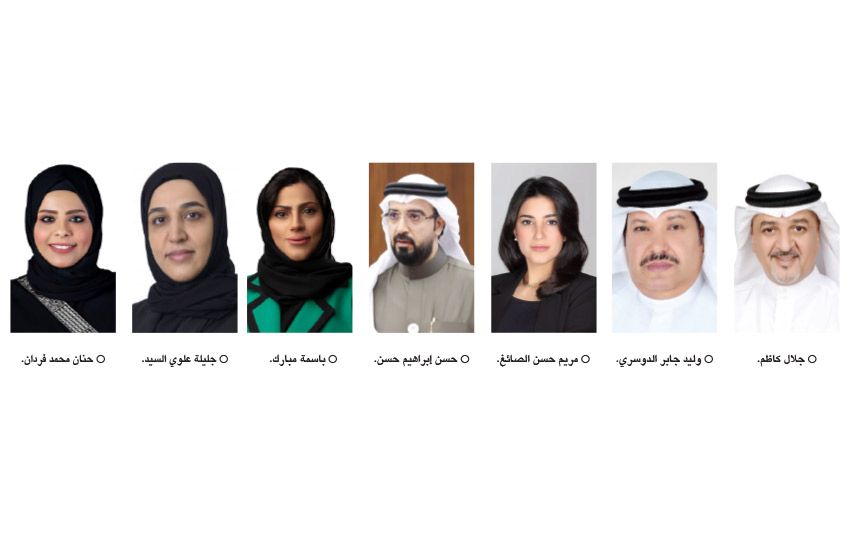
Several members of Bahrain’s parliament praised the royal patronage and government coordination that accompanied the Ashura season in Bahrain this year, according to official statements and parliamentary briefings. The lawmakers credited King Hamad bin Isa Al Khalifa and Crown Prince Salman bin Hamad Al Khalifa for directives that, they say, ensured organized observance and public safety across the kingdom.
The MPs noted that security, public services and community coordination were delivered in a manner that allowed ceremonies and processions to proceed with calm and dignity, officials said. They highlighted the roles of the Interior Ministry, health services and municipal agencies in facilitating the events.
Ashura season in Bahrain draws praise from legislators
Parliamentarians described the Ashura season in Bahrain as an example of the state’s commitment to protecting religious freedom and cultural heritage. According to the lawmakers, the season was marked by widespread compliance with regulations, clear civic discipline and a unifying national tone in public commemorations.
Several MPs commended the monarch’s continued support for religious occasions, saying royal patronage helped create an environment in which citizens and residents could observe religious rites freely. Meanwhile, they underscored that the Crown Prince’s operational guidance translated into detailed field plans implemented by government agencies.
Government coordination and service delivery
Officials and legislators praised the cross-ministerial coordination that underpinned the season’s logistics. The government’s integrated approach involved the Interior Ministry, the Ministry of Health, the Ministry of Municipalities and Agriculture, the Ministry of Works, and the Ministry of Justice, Islamic Affairs and Awqaf, according to parliamentary statements.
Furthermore, councils and local authorities, including the Jaafari Endowments Council and regional governorates, were credited with on-the-ground management and support. This teamwork, lawmakers said, provided essential services such as traffic management, health coverage and venue sanitation.
Operational leadership from security and health authorities
Lawmakers singled out Lieutenant-General Sheikh Rashid bin Abdullah Al Khalifa, the Minister of Interior, and security personnel for professional planning and respectful engagement with participants. They noted that police and civil defense units focused on orderly processions while preserving the civil liberties of worshippers.
Health authorities and emergency services were also mentioned for maintaining readiness to assist participants, with public health measures coordinated to prevent disruptions and to facilitate safe attendance at commemorations.
Community participation, volunteerism and institutional roles
Members of parliament emphasized the vital role played by community organizers, charitable funds, volunteer groups and the administrators of mourning halls and Husayniyas. These civic actors were described as providing logistical support, guidance and hospitality that complemented official services.
Lawmakers praised volunteers for helping to manage flows of participants and for modeling responsible civic behavior. They said that the collaboration between state institutions and community organizations reflected a broader culture of mutual support that strengthens social cohesion.
National unity and religious freedom as guiding principles
Parliamentarians framed the season’s success as a demonstration of national unity and respect for religious freedom. They argued that the predominance of a national, rather than sectarian, tone during commemorations illustrated shared commitment to the state and its institutions.
Officials and MPs reiterated that freedom to practice religious rites is enshrined in Bahrain’s constitutional and civic framework, and that the state’s role is to ensure safe, orderly and dignified observance. They also cautioned against politicizing religious events and encouraged focusing on their spiritual and humanitarian dimensions.
Implications for future religious events and public policy
Lawmakers said lessons from the recent season will inform planning for future religious and public events. They indicated that continued investment in institutional coordination, volunteer training and service readiness can help maintain orderly observance and reinforce the kingdom’s image as a model of coexistence.
Observers note that sustained emphasis on religious freedom, public safety and civic responsibility may contribute to longer-term social stability. Therefore, officials are expected to review operational reports and community feedback to refine protocols ahead of upcoming religious dates.
Conclusion: What to watch next
As authorities conduct post-season assessments, readers should watch for official summaries and any announced adjustments to regulations or service plans for future observances. Parliamentarians say ongoing cooperation between government bodies and civil society will remain central to preserving safe and inclusive religious practices across Bahrain.
In the weeks ahead, ministries and local councils are likely to publish guidance for the next calendar of commemorations, while community groups plan training and coordination exercises to build on this year’s outcomes. These developments will indicate how institutional and civic actors seek to sustain the gains in organization, participation and public confidence recorded during the Ashura season in Bahrain.