






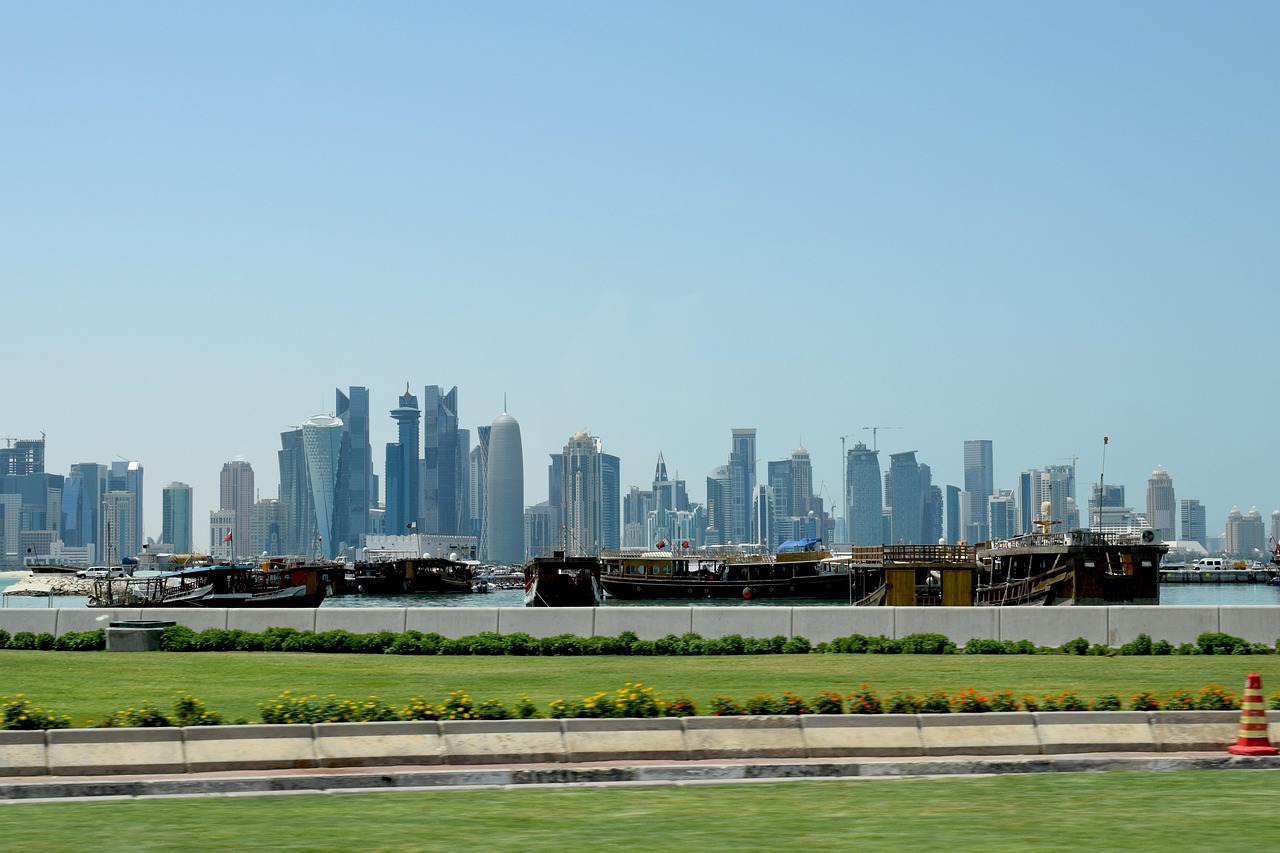

Financing property investment in the Gulf region requires a mix of local market knowledge, the right financing product, and careful planning. Whether you’re looking at Dubai apartments, Doha villas, or a commercial unit in Riyadh, the route to funding—bank mortgage, developer finance, Islamic (Sharia-compliant) solutions, or private capital—shapes both costs and exit flexibility. Successful investors combine a clear budget, pre-approval or proof of funds, and on-the-ground checks before committing.
This article explains how to finance property investment in the Gulf region in practical terms: the common lending options, how expatriate borrowing works, what documents banks typically request, and what to plan when you travel to inspect properties. It highlights local differences across UAE, Qatar, Saudi Arabia, Bahrain, Kuwait and Oman and offers travel-focused tips for investors visiting the Gulf to complete viewings and meetings.
Quick Answer
How to finance property investment in the Gulf region: choose between local bank mortgages, Sharia-compliant finance, developer payment plans, or private funding; secure pre-approval or proof of funds; complete due diligence with a local lawyer; and arrange travel and appointments to inspect the property in person. Expatriate access varies by country and lender, so check eligibility and documentation requirements with banks and developers in your target city.
Key Takeaways
- Multiple financing options exist: conventional mortgages, Islamic finance, developer plans, private lenders, and real estate funds.
- Expat borrowers face different rules and loan-to-value (LTV) limits than citizens; pre-approval helps negotiations.
- Bring certified documents, meet banks or mortgage brokers on the ground, and hire local legal help for title checks.
- Plan travel around property viewings, bank meetings, and local business hours—check visa and entry requirements first.
- Focus on rental yield, taxes, ownership type (freehold vs leasehold), and exit options before committing.
Understanding the financing landscape in the Gulf region
Financing in the Gulf is shaped by a mix of conventional Western-style mortgages and Sharia-compliant products that avoid interest in favor of profit-sharing structures. Each GCC country has its own regulatory environment and commonly used instruments. Major markets like Dubai and Abu Dhabi are more open to foreign buyers and offer competitive mortgage markets, while other capitals may impose stricter residential or commercial ownership rules.
Key terms explained
- Loan-to-Value (LTV): the percentage of property value a lender will finance.
- Sharia-compliant finance: structures such as Murabaha or Ijara where rent or markup replaces traditional interest.
- Freehold vs leasehold: determines ownership rights and can affect financing and resale.
- Title deed / registration: the legal record of ownership—confirm with the land registry.
Main financing options for property investment in the Gulf region
Choosing the right financing route depends on your residency status, the property type, and how long you plan to hold the asset. Here are the options investors commonly use.
1. Local bank mortgages
Banks in Dubai, Abu Dhabi, Doha, and other Gulf cities offer mortgages for residents and, in many cases, non-resident investors. Lenders check income, employment, credit history, and require property valuation. Interest rates and LTV caps vary, so compare offers and get pre-approval to show sellers you are a serious buyer.
2. Sharia-compliant finance
If you prefer or require Sharia-compliant structures, local Islamic banks and conventional banks with Islamic windows provide alternatives. These products use leases or markup contracts rather than charging interest, and documentation differs from conventional mortgages.
3. Developer payment plans and off-plan finance
Developers often provide staged payment plans for off-plan projects—deposit on signing, progress payments during construction, then final transfer. Some developers partner with banks to offer tailored mortgages on completion. Off-plan finance can reduce immediate cash needs but requires confidence in the developer’s track record.
4. Private lending, joint ventures and REITs
Private loans or joint-venture equity can speed acquisitions where bank finance is unavailable. Publicly listed REITs or property funds offer exposure without direct ownership or mortgage complications—useful for investors who want Gulf property returns without on-site management.
| Financing Type | Pros | Cons |
|---|---|---|
| Bank mortgage | Lower cost, formal structure, protection under bank rules | Strict underwriting, paperwork, possible residency requirements |
| Sharia-compliant finance | Suitable for religious compliance, widely available locally | Different contract terms, sometimes less flexible early repayment |
| Developer finance | Reduced upfront cash, integrated process for off-plan | Depends on developer reputation, potential construction risk |
| Private equity / REITs | Flexible, faster closing, indirect ownership options | Higher cost for private debt, REIT returns may differ from direct ownership |
Step-by-step: How to secure finance for a Gulf property
- Research markets: target cities—Dubai (DXB), Abu Dhabi (AUH), Doha (DOH), Riyadh (RUH), Manama, Muscat—and compare rental yields and regulations.
- Talk to mortgage brokers: get a sense of eligibility, LTV limits, and required documents for citizens vs expats.
- Obtain pre-approval or proof of funds: strengthens offers and speeds final approval.
- Due diligence: hire a local lawyer to check title deed, encumbrances, and planning permissions.
- Valuation and bank appraisal: banks typically require an independent valuation before approving finance.
- Sign contracts and register: complete transfer at land registry and register mortgage if applicable.
Mistakes to avoid when financing Gulf property
- Assuming one lender’s rules apply region-wide—policies differ by emirate and country.
- Skipping local legal advice: title and ownership rules vary and can affect resale or rental rights.
- Underestimating transaction costs: registration fees, agency commissions, and maintenance affect net yield.
- Not checking residency implications: some countries link property ownership to residency or visa perks—verify official sources.
- Relying solely on online listings—inspect properties in person and meet the developer or agent.
Best Tips for Planning Your Trip to Inspect Properties
Travel preparations matter when you visit the Gulf to finance and inspect property:
- Book flights into the main airport for your target city—Dubai International (DXB) or Hamad International (DOH) have frequent international connections.
- Schedule bank appointments and property viewings in advance; weekdays are busiest for banks and developer sales offices.
- Carry certified copies of identification, bank statements, proof of income, and a letter from your employer to speed pre-approval discussions.
- Stay near business districts or established property hubs to reduce transit time between viewings; check local safety and transportation options.
- Purchase comprehensive travel insurance that covers changes in plans and business-related activities while abroad.
Is it worth it? Who is this best for?
Property investment in the Gulf region can be worth it for investors seeking diversification, rental income, or capital appreciation in fast-growing cities like Dubai or Doha. It suits those willing to understand local markets, comply with documentation requirements, and manage cross-border logistics.
This approach is best for investors who can secure reliable financing, access trusted local partners (legal advisers, brokers, property managers), and either visit the region or have a vetted local representative. If you prefer passive, lower-touch investing, consider REITs or funds rather than direct ownership.
Conclusion
How to finance property investment in the Gulf region comes down to matching your residency status, risk tolerance, and timeline to the right funding product—bank mortgages, Islamic finance, developer plans, or private capital. Do thorough market research, secure pre-approval or proof of funds, engage local legal counsel, and plan a focused trip to inspect properties and meet lenders. Careful planning and trusted local advisers turn a complex cross-border purchase into a workable investment strategy.
Frequently Asked Questions
Can foreigners buy property in the Gulf region?
Yes, but rules vary by country and even by city. Some areas offer freehold ownership to foreigners, while others restrict ownership or require leasehold arrangements—check local land registry rules and official government portals before making decisions.
How can an expat get a mortgage in Dubai or Abu Dhabi?
Expats can obtain mortgages if they meet lender criteria for income, employment stability, and creditworthiness. Banks require documentation like passport, residency/visa (if applicable), payslips, and bank statements; speaking to a mortgage broker on the ground speeds the process.
What is Sharia-compliant financing and how does it differ?
Sharia-compliant finance avoids interest and uses structures such as Murabaha (cost-plus sale) or Ijara (lease-to-own). The contractual mechanics and cost calculations differ from conventional loans, so compare effective costs and early repayment terms carefully.
Are developer payment plans safe for off-plan purchases?
Developer plans can reduce upfront capital needs, but safety depends on the developer’s track record and regulatory protections in that jurisdiction. Always review the developer’s completion history, bank guarantees (if any), and your contract’s cancellation and refund clauses.
Does buying property in the Gulf region grant residency or a visa?
Some countries offer residency-linked programs for property investors, but eligibility criteria and thresholds change frequently. Don’t assume ownership guarantees residency; check official immigration sources or consult an immigration lawyer for current rules.
What documents do banks typically require for mortgage approval?
Banks usually ask for passport and visa (if resident), proof of income (payslips or tax returns), bank statements, employment letter, and property documents. Requirements vary by lender and borrower nationality—confirm with the bank or a mortgage broker.
How much should I budget for fees and taxes when buying in the Gulf?
Budget for registration fees, agent commissions, legal fees, valuation costs, and any municipal taxes or service charges; these add to the purchase price. Exact amounts vary by emirate and country, so request a breakdown from your agent or lawyer before signing.