






Qatari-Pakistani mediation leads to US-Iran agreement
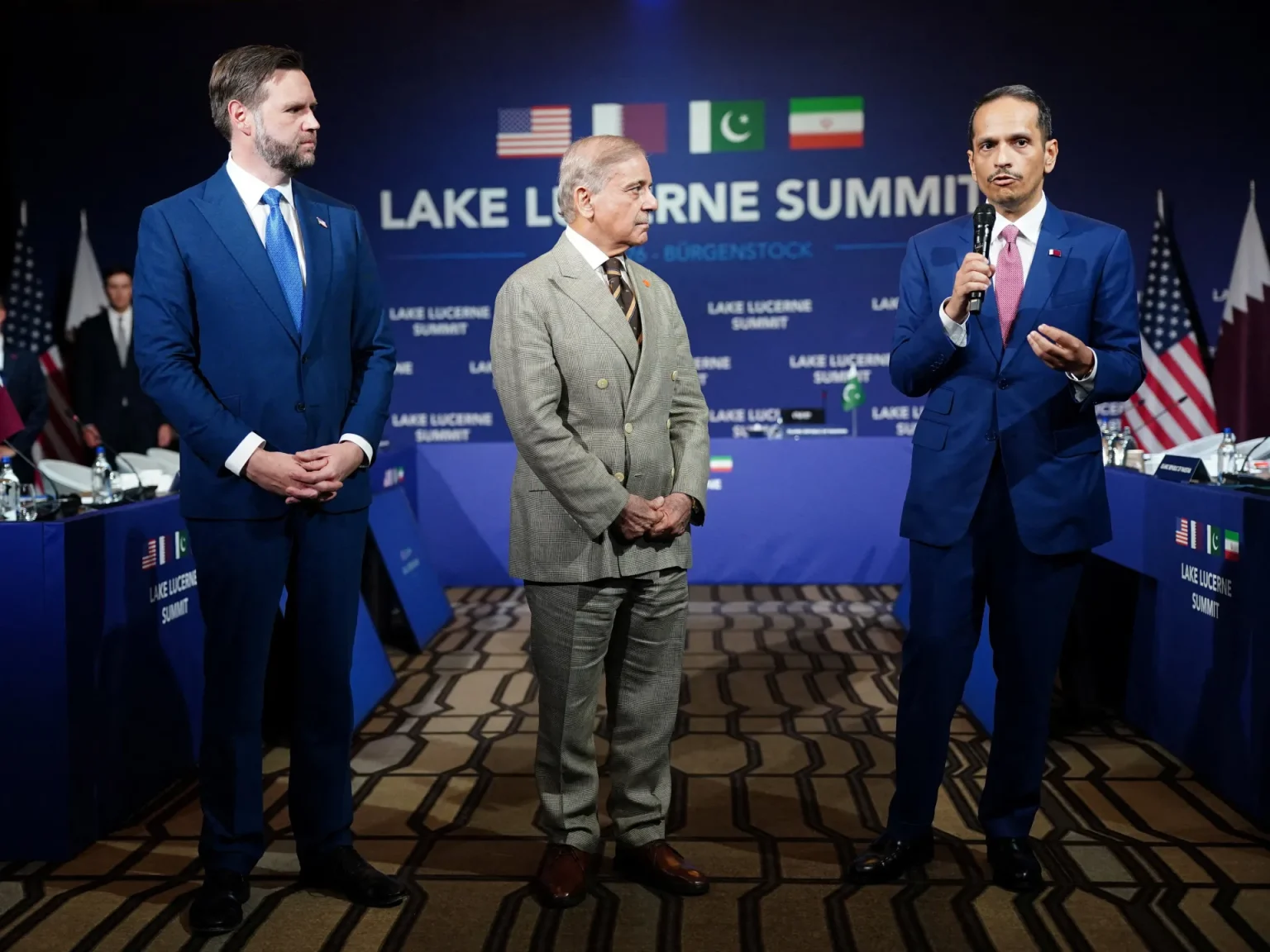
Qatari-Pakistani mediation helped produce a US-Iran agreement that averted a wider regional war, according to an Associated Press report published June 26, 2026. The mediation effort unfolded amid high-stakes threats and intermittent military exchanges in June, and culminated in a deal to reopen shipping lanes and set a 60-day timetable for broader negotiations.
The report indicates that Qatari envoys landed in Tehran on June 11 and engaged in urgent talks while tensions between Washington and Tehran remained high. Meanwhile, Pakistani intermediaries maintained secure channels between the two capitals and hosted early meetings that laid the groundwork for the final understanding.
Background of the crisis and diplomatic mediation
The crisis began after an escalation of strikes and counterstrikes earlier in the year that disrupted Gulf shipping and raised global energy market concerns. According to officials cited by the Associated Press, the situation in mid-June reached a perilous point when US forces prepared for new strikes as threats intensified on social media and in public statements.
Qatar has established a track record of crisis diplomacy in recent years, and Doha’s foreign policy apparatus moved quickly to open lines to both Tehran and Washington. Meanwhile, Pakistan’s geographic proximity to Iran and its diplomatic links to both sides positioned Islamabad as a practical conduit for messages, officials said.
Main details of the US-Iran agreement and negotiating framework
The agreement reached last week lays out immediate steps to de-escalate the conflict and a framework for further talks, the report shows. Key elements include reopening the Strait of Hormuz to commercial traffic and a phased easing of US sanctions to allow Iran to export oil, contingent on reciprocal steps.
According to diplomats and regional officials interviewed by the Associated Press, the pact also sets a 60-day window for negotiators to pursue a broader accord addressing Iran’s nuclear activities. The draft text reportedly includes a commitment by Iran to reduce its stockpile of highly enriched uranium in exchange for economic incentives and phased sanctions relief.
How Qatar and Pakistan coordinated the mediation
Qatar reportedly exercised direct contact with US leadership at critical moments; the Associated Press report states that Doha intervened to urge restraint when a US strike appeared imminent. Qatar’s experience in mediating conflicts — including previous work on Gaza cease-fires — informed its approach to shuttle diplomacy in the Iran crisis.
Pakistan’s role involved secure message relay and hosting bilateral talks, officials said. Islamabad used encrypted channels and strict confidentiality measures to limit leaks, and Pakistan’s army chief was described by officials as an influential backchannel presence with contacts in both Washington and Tehran.
Regional and global implications of the agreement
If implemented fully, the accord could ease immediate risks to maritime commerce and calm energy markets that spiked during the conflict’s peak. The reopening of the Strait of Hormuz would remove a key economic pressure point, while phased sanction relief could prompt a gradual return of Iranian oil to international markets.
Furthermore, the deal highlights the growing role of regional intermediaries in resolving disputes between major powers, suggesting a diplomatic model that relies on trusted third-party channels. Analysts note that such mediation can succeed when both principal parties face domestic and international incentives to avoid prolonged escalation.
Challenges ahead and what to watch next
Despite the breakthrough, multiple hurdles remain before the agreement can produce lasting stability. Implementation will depend on rigorous verification, mutual confidence-building steps, and the ability of mediators to manage spoilers who might seek to derail negotiations, according to diplomats familiar with the process.
Observers should watch the next 60 days closely: negotiators are expected to meet to translate the framework into a legally binding accord, and the international community will monitor whether Iran begins to reduce its enriched uranium stockpile as pledged. Additionally, progress on sanctions relief and the release of frozen assets will be key indicators of sustained momentum.
Why the mediation matters for diplomatic practice
The episode underscores how state-to-state mediation can be decisive when direct adversaries face high domestic pressures and limited trust. Qatar and Pakistan combined diplomatic access, regional credibility, and secure communications to bridge gaps that formal channels had not closed, according to the report.
Therefore, the Qatari-Pakistani mediation offers a case study in pragmatic peacemaking: small- and medium-sized states can leverage relationships and discretion to produce outsized diplomatic outcomes when larger powers are willing to engage.
Conclusion and next steps
According to the Associated Press account and officials cited in the report, the Qatari-Pakistani mediation produced a tentative US-Iran agreement that reduced the immediate risk of war and established a 60-day timetable for broader negotiations. The coming weeks will test whether the parties convert the framework into durable commitments, and whether mediators can sustain momentum amid regional pressures.
Readers should watch for scheduled negotiation sessions, verification measures on nuclear commitments, and announcements about phased sanctions relief. These developments will determine whether the accord marks a stable turning point or a pause in a recurring cycle of tensions.