




Bahrain-Azerbaijan parliamentary cooperation affirmed during Baku meeting
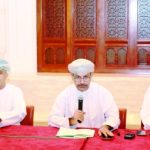
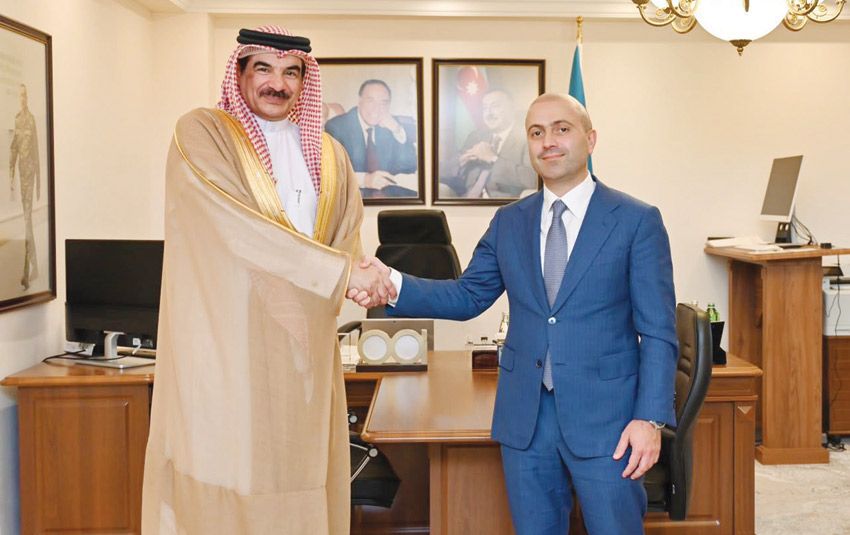
Engineer Mohammed Ibrahim Al-Sisi Al-Buainain, Secretary-General of Bahrain’s Council of Representatives, met on Thursday with Farid Hajiyev, Secretary-General of the National Assembly of Azerbaijan, on the sidelines of the 20th session of the Union of the Parliaments of Member States of the Organization of Islamic Cooperation held in Baku. The discussion emphasized Bahrain-Azerbaijan parliamentary cooperation and a shared interest in enhancing parliamentary administration and programmatic collaboration.
The two officials reviewed arrangements made during the conference and outlined practical areas for cooperation between the two legislatures. According to a joint meeting statement, they underscored long-standing bilateral ties and noted the support of both heads of state for stronger parliamentary links. Additionally, they agreed to promote exchanges at the level of secretary-generals to build institutional capacity.
Main developments in Bahrain-Azerbaijan parliamentary cooperation
The meeting spotlighted tangible examples of institutional innovation from Bahrain’s parliamentary secretariat that could inform partner legislatures. Officials said the Bahraini secretariat presented its “Green Parliament” initiative and its environmental management achievements, which were well received by counterparts. These presentations were part of a broader effort to share best practices within the OIC parliamentary union.
Furthermore, the Azerbaijani secretary-general commended Bahrain’s secretariat for attaining internationally recognized management standards. Reports from the session indicated that Bahrain’s secretariat became one of the first parliamentary institutions globally to secure ISO 14001:2015 certification for environmental management and later pursued ISO 42001:2023 for artificial intelligence management systems. These credentials were highlighted as potential models for other parliaments seeking operational modernization.
Green Parliament, ISO recognition and environmental governance
Bahrain’s Green Parliament project drew specific attention for its practical steps toward environmental sustainability within legislative operations. Officials described measures such as resource efficiency, waste reduction, and policy frameworks to support environmental responsibility in parliamentary work. Observers at the conference noted that such institutional reforms can improve public trust and operational resilience.
The ISO 14001:2015 certification, which addresses environmental management systems, was presented as a milestone validating Bahrain’s internal practices. Meanwhile, participants discussed how adherence to international standards helps parliaments coordinate on environmental legislation and oversight. Therefore, the meeting framed these certifications as tools for peer learning and cross-border cooperation among parliamentary administrations.
Artificial intelligence and digital transformation in parliament
Another substantive topic on the agenda was the application of artificial intelligence to parliamentary functions. The Bahraini secretariat outlined its approach to integrating AI in legislative workflows and management, and officials referenced the ISO 42001:2023 framework on AI management systems. Observers said the presentation emphasized governance, risk mitigation, and the ethical use of AI in parliamentary settings.
Delegates discussed potential joint programs to exchange technical expertise on AI deployment, digital services, and cybersecurity practices for legislatures. In addition, the meeting highlighted the need for regulatory frameworks that enable innovation while safeguarding transparency and accountability. Consequently, officials agreed to further study cooperative training and pilot projects between the two institutions.
Context: OIC parliamentary union and multilateral engagement
The discussions took place during the 20th conference of the OIC parliamentary union in Baku, which convened secretaries-general and parliamentary delegations from member states to exchange legislative experiences. According to conference materials, gatherings of this kind offer a platform for parliaments to coordinate on common challenges such as sustainable development, digital governance, and parliamentary diplomacy.
At the meeting, Bahraini and Azerbaijani officials also reaffirmed support for enhanced parliamentary diplomacy. They noted the complementary roles of Speakers Ahmed bin Salman Al-Musallam of Bahrain and Sahiba Gafarova of Azerbaijan in promoting mutual visits and legislative cooperation. Officials characterized such high-level backing as instrumental in translating technical exchanges into long-term institutional partnerships.
Implications for regional parliamentary reform and next steps
Experts and diplomats attending the conference suggested that focused secretariat-to-secretariat cooperation can accelerate the diffusion of reforms across regional legislatures. They noted that sharing templates for environmental management, digital transformation, and AI governance helps parliaments improve service delivery and oversight functions. Therefore, Bahrain-Azerbaijan parliamentary cooperation could serve as a model for bilateral parliamentary modernization initiatives within the OIC network.
Participants said both secretariats committed to follow-up actions, including arranging exchange visits, joint training programs, and the development of bilateral projects to adapt best practices to local legislative contexts. Officials indicated that timelines for initial technical exchanges would be proposed in coming months and that progress would be reported to the OIC parliamentary union secretariat for broader dissemination.
Conclusion: What to watch next
Moving forward, observers should watch for formal memoranda of understanding, scheduled training exchanges, and pilot initiatives on environmental management and AI governance between the Bahraini and Azerbaijani parliamentary secretariats. These steps are likely to surface over the next several months as both sides translate the meeting’s commitments into operational plans. Meanwhile, the OIC parliamentary forum is expected to continue serving as the primary venue for sharing outcomes and promoting broader legislative cooperation among member states.