







Qatar calls for regional stability as leaders discuss US-Iran memorandum
Qatar calls for regional stability, Prime Minister and Foreign Minister Sheikh Mohammed bin Abdulrahman bin Jassim Al Thani said in separate phone calls on June 27, 2026, with Saudi and Egyptian counterparts, according to the Qatari Foreign Ministry. The conversations, officials said, focused on bilateral ties, recent diplomatic developments and efforts to prevent escalation following a US-Iran memorandum.
The ministry added that Sheikh Mohammed stressed the need to avoid the fallout of unjustified attacks and to preserve freedom of navigation in the Strait of Hormuz. He also reaffirmed Doha’s support for continued diplomatic engagement between Washington and Tehran, which officials said aims to de-escalate regional tensions.
Details of the diplomatic outreach
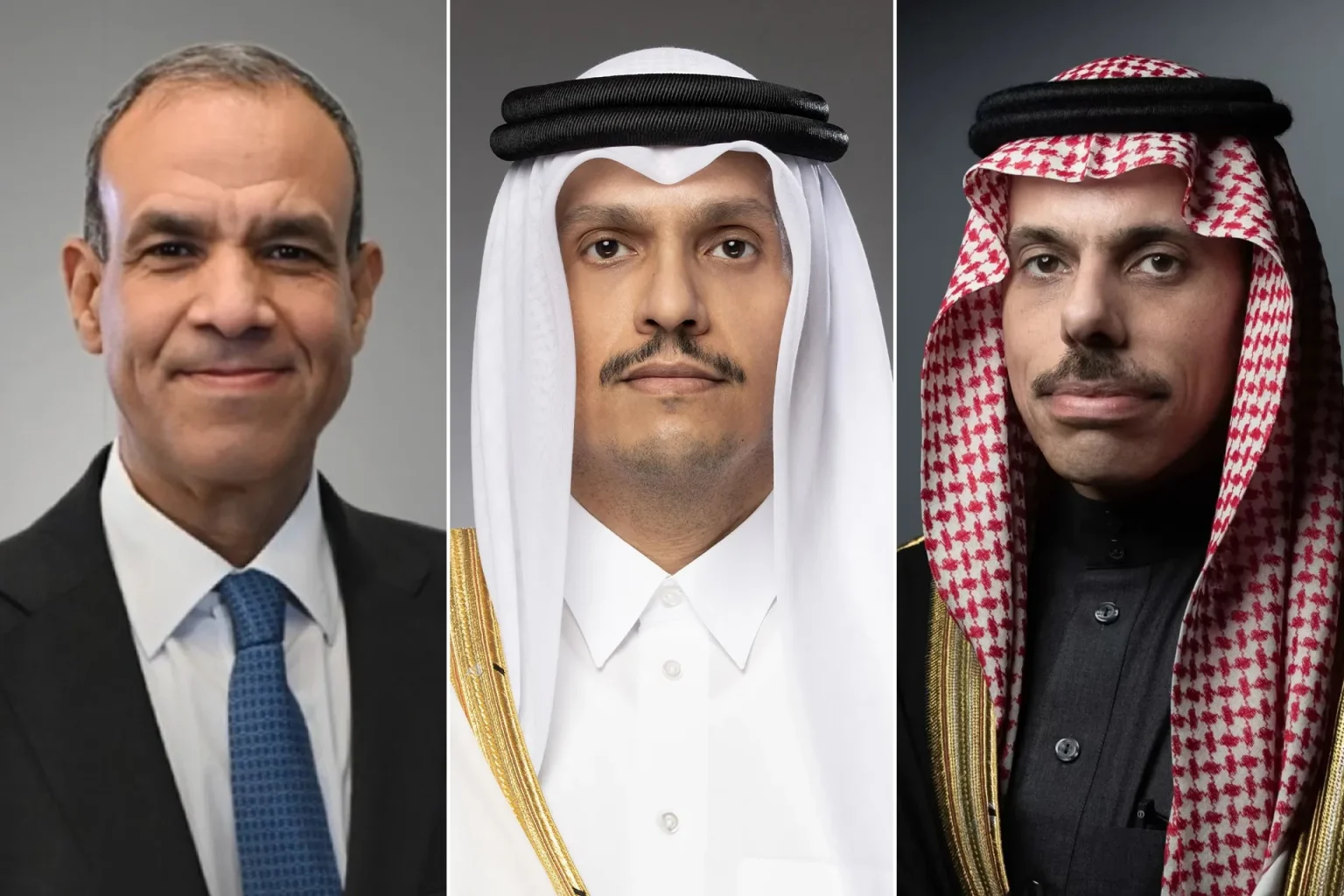
During the calls, Sheikh Mohammed spoke with Saudi Foreign Minister Prince Faisal bin Farhan Al Saud and Egyptian Foreign Minister Badr Abdel Aaty, the ministry statement said. Topics included strengthening bilateral cooperation and coordinating responses to recent regional developments.
Meanwhile, Qatar emphasized the importance of building on the recently signed US-Iran memorandum, often referred to in media reports as the “Islamabad understanding.” The memorandum, dated June 14 and said to have entered into effect June 18, was mediated by Pakistan and Qatar and is intended to halt hostilities and open channels for dialogue.
Main goals: de-escalation and freedom of navigation
Qatar calls for regional stability by urging all parties to continue diplomatic channels, reduce tensions and avoid actions that could destabilize the region. The Qatari statement highlighted freedom of navigation in the Strait of Hormuz as a shared priority for regional and global trade.
Officials noted that ensuring the safe flow of commercial shipping was a central element of the recent memorandum and a key factor in preventing wider conflict. Therefore, Doha is urging partners to pursue confidence-building measures and to work through established diplomatic mechanisms.
Implications of the US-Iran memorandum for regional security
Analysts say the US-Iran memorandum could reshape security calculations across the Gulf if its provisions are implemented. The agreement reportedly addresses cessation of hostilities on multiple fronts, reopening the Strait of Hormuz and easing maritime restrictions, according to official summaries.
Furthermore, Qatar’s support for the diplomatic track reflects a broader regional preference for negotiated solutions after months of confrontation. The emphasis on diplomatic de-escalation and freedom of navigation aims to protect economic interests and reduce the risk of military mishap.
Coordination with regional partners
Qatar calls for regional stability was a recurring theme in the calls, underscoring Doha’s intent to work closely with neighbors. The outreach to Riyadh and Cairo suggests a desire to align responses and to reassure states that diplomatic avenues remain open.
Additionally, the Qatari ministry said Doha will continue backing the ongoing Washington-Tehran talks and urged durable solutions to outstanding disputes. Officials framed this support as necessary to unlock opportunities for reconstruction, trade and longer-term cooperation across the Middle East.
Role of mediators and next diplomatic steps
Pakistan and Qatar were credited with mediating the memorandum, which officials say entered into force after electronic signatures by leaders in both Washington and Tehran. While the document’s details have been summarized by officials, implementation will require verification, confidence-building steps and sustained dialogue.
Therefore, observers will be watching follow-up meetings among the mediators and technical working groups tasked with translating the memorandum’s provisions into practice. The pace and transparency of those steps may determine whether the document reduces tensions or merely pauses hostilities.
Regional reactions and what to expect next
Responses from regional capitals have varied, but the Qatari statement signals a push for coordinated stability measures. Qatar calls for regional stability and is urging reduced rhetoric and practical steps to secure maritime routes and prevent further incidents at sea.
In the coming weeks, diplomats are expected to convene to discuss verification mechanisms, timelines for reopening transit corridors and measures to lift or adjust maritime restrictions. Meanwhile, international stakeholders may press for monitoring arrangements to ensure commitments are upheld.
Conclusion: watch for implementation and diplomatic follow-up
Qatar calls for regional stability remains central to Doha’s messaging as the memorandum between Washington and Tehran moves from signing to execution. Officials said Doha will continue to support negotiations and regional coordination to translate the agreement into concrete reductions in hostilities.
Readers should watch for scheduled diplomatic meetings, technical follow-ups on maritime access, and statements from mediators in the next few weeks to see whether the memorandum produces durable change. The effectiveness of these steps will be a key indicator of whether diplomatic momentum can sustain a longer-term easing of tensions.