




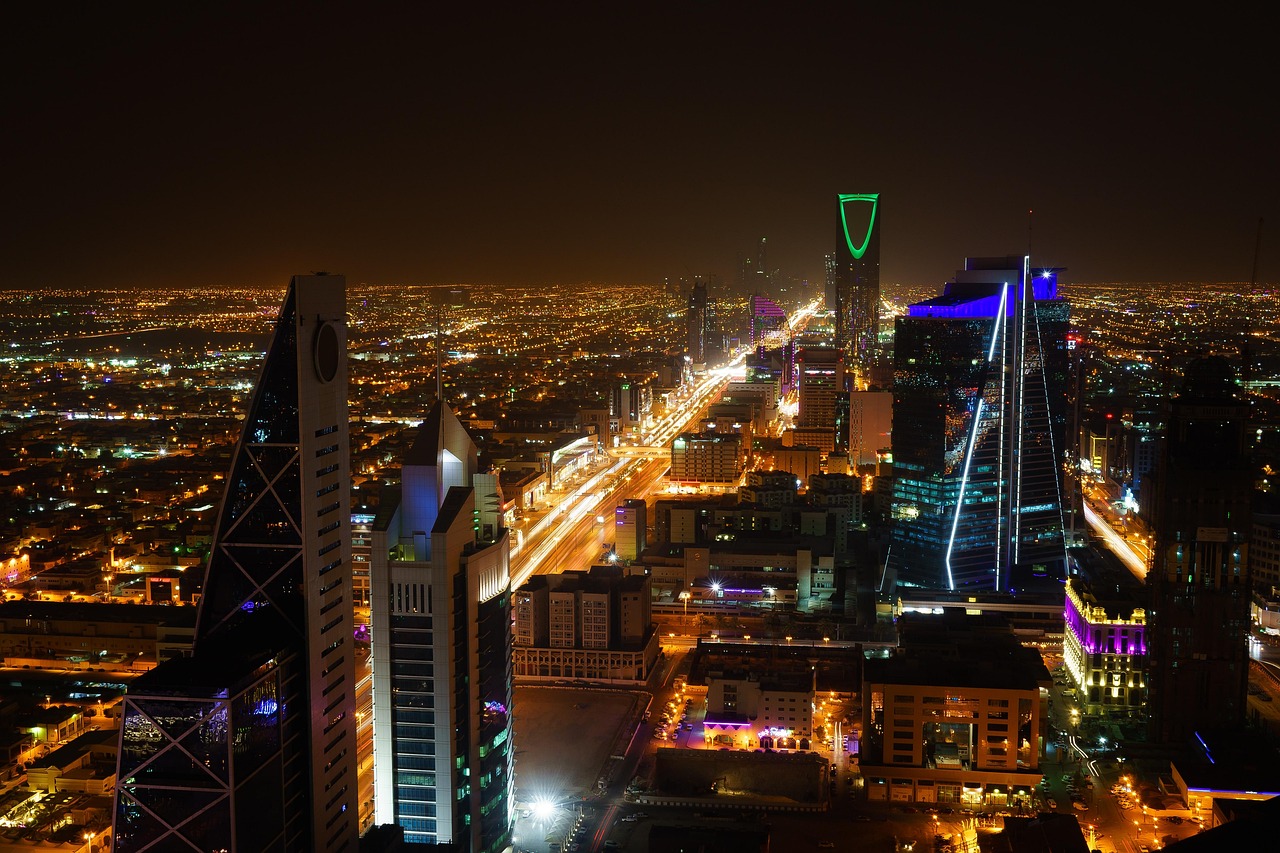

Saudi Arabia’s travel scene has quietly shifted from pure sightseeing to a growing focus on health and wellbeing. The Top Healthy Living Trends in Saudi Arabia for 2026 highlight how locals and visitors are choosing cleaner air, local food, movement outdoors, and wellness services as integral parts of their trips. From city cycling lanes in Riyadh to coastal wellness projects near Jeddah and the Red Sea, healthy travel is now a realistic addition to any Saudi itinerary.
This guide breaks down where to find these trends, what they mean for travelers, and how to plan a trip that balances cultural exploration with healthy-living choices. Expect practical tips on where to eat, move, and relax, plus advice on transport, safety, and seasonal considerations so you can make informed decisions before booking a flight to King Khalid International Airport (Riyadh) or King Abdulaziz International Airport (Jeddah).
Quick Answer
The Top Healthy Living Trends in Saudi Arabia for 2026 include wellness tourism (retreats and spa resorts), organic and plant-forward dining, outdoor fitness and nature trails, mental health services and telemedicine, and technology-driven health solutions. Travelers can experience these trends in major cities like Riyadh and Jeddah, new coastal developments along the Red Sea, and nature destinations such as AlUla and the Asir mountains.
Key Takeaways
- Wellness tourism and spa resorts are expanding in Saudi Arabia’s cities and coastal projects.
- Plant-forward restaurants and organic markets are increasingly available in Riyadh, Jeddah, and resort towns.
- Outdoor fitness — hiking, cycling, and desert running — is an accessible way to stay active.
- Telemedicine and health apps make it easier for travelers to get care while in-country.
- Plan around climate and local customs; check official sources for visas and travel insurance requirements.
Why healthy living is growing in Saudi Arabia
Investment in public parks, pedestrian-friendly streets, and new tourism developments has nudged Saudi Arabia toward health-focused travel. Government initiatives and private projects aim to attract visitors interested in wellness tourism, nature-based experiences, and modern healthcare services.
For travelers, that means more options beyond museums: day hikes in wadis, nutritionally conscious menus at hotels, and access to licensed therapists or telehealth services. These changes make it easier to maintain routines while experiencing Saudi culture.
Main trends to watch: Top Healthy Living Trends in Saudi Arabia for 2026
1. Wellness resorts and spa tourism
Luxury and mid-range properties are adding spa and wellness programs that combine traditional therapies with modern treatments. Coastal projects along the Red Sea and mountain retreats in Asir emphasize sand, sea, and thermal experiences that appeal to travelers seeking rest and recovery.
2. Plant-forward and local food movements
Restaurants in Riyadh, Jeddah, and emerging tourism hubs now offer more vegan, vegetarian, and farm-to-table options. Seek out local markets for fresh dates, herbs, and seasonal produce to assemble healthy meals on the go.
3. Outdoor fitness, hiking, and active travel
Trail development in AlUla and hiking routes in the Asir mountains make nature-based exercise accessible. In cities like Riyadh, cycling lanes and fitness parks are becoming common, letting visitors blend sightseeing with workouts.
4. Mental health services and mindfulness retreats
Mental wellness is more visible in clinics and private practices, and some resorts offer guided mindfulness, yoga, and stress-management programs. Teletherapy platforms also allow short-term visitors to consult licensed professionals remotely.
5. Digital health and telemedicine
Health apps, virtual consultations, and digital pharmacies simplify access to care. Travelers can use telemedicine to get medical advice, prescriptions, or follow-up care without lengthy clinic visits—helpful when you’re on a short trip.
6. Sustainable wellness and eco-conscious travel
New tourist developments emphasize sustainability: low-impact trails, solar-powered facilities, and responsible marine tourism on the Red Sea. Choosing eco-certified tours supports conservation and often leads to quieter, healthier experiences.
Where to experience each trend
| Trend | Top places to try | Why visit there |
|---|---|---|
| Wellness resorts & spas | Red Sea coast, NEOM-adjacent projects, resort hotels in Jeddah | Coastal climate, integrated spa facilities, sea-based therapies |
| Plant-forward dining | Riyadh, Jeddah, specialty cafés in Al Khobar | Growing culinary scene, farmer markets, international chefs |
| Outdoor fitness | AlUla, Asir, Corniche in Jeddah, Wadi Hanifa in Riyadh | Scenic trails, cooler elevations, waterfront promenades |
| Mental health & mindfulness | Private clinics in major cities, retreat programs at resorts | Qualified practitioners, guided programs, quiet settings |
Practical tips for travelers
- Pack for climate and activity: lightweight breathable clothing for lowland areas, layers for mountain mornings, and sturdy shoes for trails.
- Book spa and wellness programs in advance—popular resorts fill quickly during cooler months.
- Use local apps or hotel concierges to locate organic markets, healthy cafes, or certified guides for hikes.
- Verify telemedicine and pharmacy access with your provider before departure, and carry a basic first-aid kit for remote excursions.
- Respect local customs: modest activewear is fine for outdoor exercise, but be mindful of dress codes in urban and religious areas.
Common mistakes to avoid
- Assuming healthy options are available everywhere—urban centers have more choices than remote towns.
- Skipping hydration planning—desert heat and long outings require more water than you expect.
- Not checking service licenses—use licensed clinics and verified wellness providers for medical or therapeutic services.
- Over-scheduling—allow recovery days after hikes or long drives to prevent injury and fatigue.
Best Tips for Planning Your Trip
Start with timing: choose the cooler months for outdoor activities and reserve beach stays for the shoulder seasons when heat is milder. Look up specific destinations—AlUla for desert landscapes, Asir for mountain trails, and the Red Sea for marine wellness.
Contact hotels and resorts directly to ask about wellness packages, dietary options, and on-site health services. Confirm that any therapist or medical practitioner you plan to see is licensed locally. Buy travel insurance with medical coverage and check if your policy covers telemedicine or emergency evacuations.
Plan transport with wellness in mind: fly into Riyadh or Jeddah for city-based programs, or arrange transfers to coastal and desert developments through reputable operators. If you plan to rent a car for trailheads, choose a vehicle suited to gravel roads and longer distances.
Who is this best for?
These healthy living trends suit travelers who want to combine cultural discovery with wellbeing—couples seeking relaxation, solo travelers focusing on health routines, and families looking for outdoor activities. Business travelers can also find quick wellness services in Riyadh and Jeddah to balance busy schedules.
If you value nature-based exercise, plant-forward dining, and accessible telehealth while traveling, Saudi Arabia’s evolving wellness scene offers practical options without sacrificing local culture.
Is it worth it?
Yes, for travelers who prioritize health and balance, combining traditional sightseeing with wellness experiences in Saudi Arabia adds value to a trip. You’ll find high-quality spas, improved trail infrastructure, and growing healthy dining options that make it easier to maintain routines while exploring.
For those seeking deeply immersive, long-duration wellness retreats, check program lengths and services carefully—some offerings are day-focused while others cater to multi-night stays.
Conclusion
The Top Healthy Living Trends in Saudi Arabia for 2026 reflect a real shift: more infrastructure for wellness, broader healthy-food choices, and growing digital healthcare access. With thoughtful planning—choosing the right season, verifying providers, and balancing activity with recovery—you can enjoy a trip that nourishes both body and mind while experiencing Saudi Arabia’s unique landscapes and culture.
Frequently Asked Questions
What are the healthiest cities to visit in Saudi Arabia?
Riyadh and Jeddah lead in healthy amenities—more gyms, organic restaurants, and clinics—while AlUla and the Asir region offer nature-based fitness and cleaner air. Choose a city based on whether you want urban wellness services or outdoor active experiences.
Can I find vegan or plant-based food in Saudi Arabia?
Yes, major cities have growing options for vegan and plant-forward dining, including dedicated restaurants and menu choices at hotels. In smaller towns, options are more limited, so plan ahead or bring simple staples if you have strict dietary needs.
Are there organized wellness retreats in Saudi Arabia?
There are both international-style wellness programs at resorts and locally focused retreats that combine cultural activities with spa services. Research providers and confirm program details, licenses, and what’s included before booking.
Is telemedicine available for travelers in Saudi Arabia?
Telemedicine services are increasingly available and can be convenient for short-term visitors seeking consultations or prescriptions. Confirm compatibility with your home country’s regulations and your travel insurance coverage before relying solely on telehealth.
When is the best time to do outdoor activities?
The cooler months (autumn through early spring) are generally best for hiking, cycling, and outdoor fitness to avoid extreme heat. Check local weather patterns for the specific region you plan to visit, as coastal and mountain climates differ.
How do I find licensed wellness and medical providers?
Ask your hotel concierge for recommendations, look for accreditation on clinic websites, and use official health directories when possible. Avoid unverified providers; always confirm professional licences and read recent guest reviews.
Do I need travel insurance for wellness travel in Saudi Arabia?
Yes, travel insurance with medical coverage is strongly recommended, especially if you plan active excursions or require telemedicine services. Policies vary—check exclusions and whether emergency evacuation or adventure activities are covered.
Are outdoor activities safe for solo travelers?
Many outdoor activities are safe when you use licensed guides, inform someone of your route, and carry adequate water and a charged phone. In remote areas, consider guided tours to reduce risk and improve your experience.