

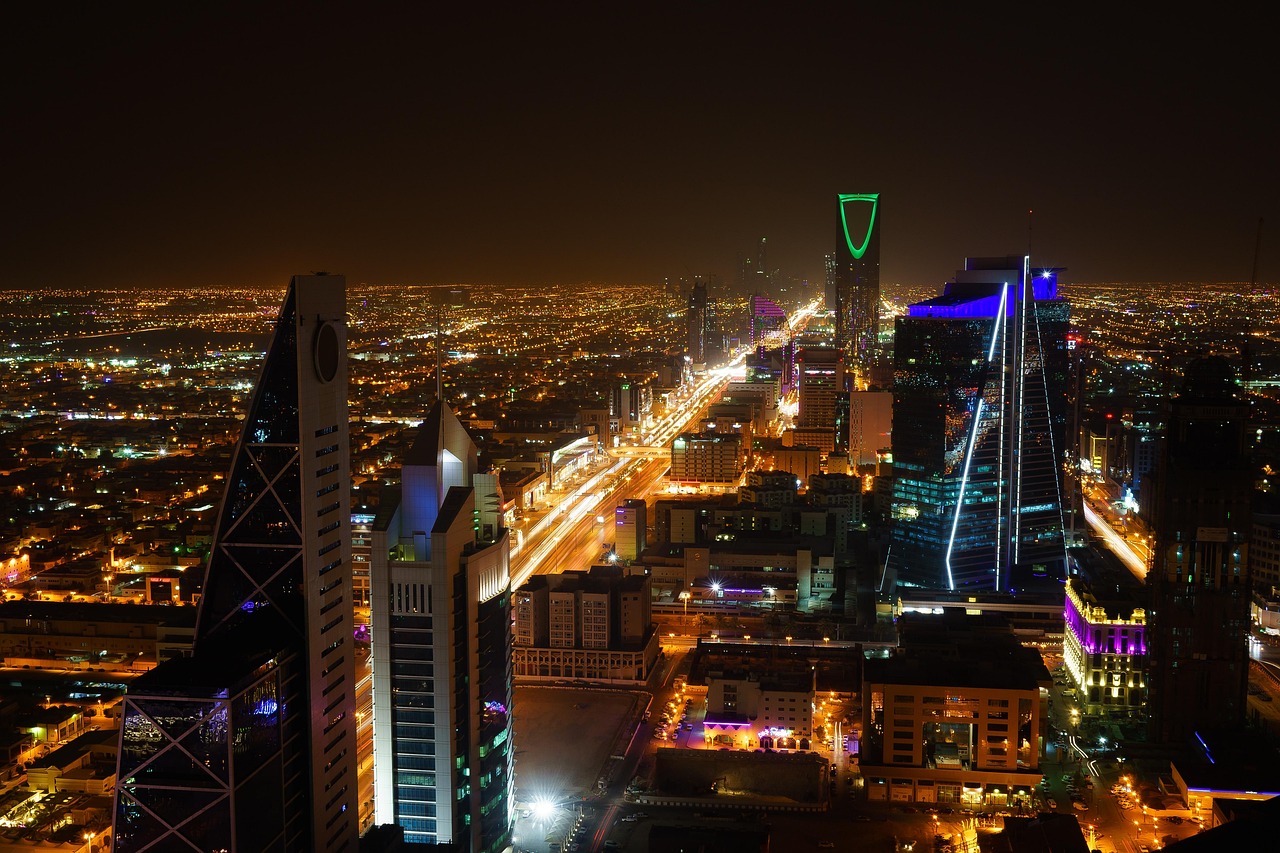

The Top Real Estate Developments in Saudi Arabia Vision 2030 are reshaping the Kingdom’s coastline, desert and urban cores into global tourism and investment hubs. From NEOM’s futuristic Line to coastal luxury at the Red Sea Project and cultural regeneration at Diriyah Gate, these giga-projects aim to diversify the economy and open new experiences for visitors and buyers.
This article outlines the biggest projects, what each offers to travelers and investors, how to reach them from Riyadh and Jeddah airports, and practical planning tips. You’ll get clear comparisons, travel-focused advice, and guidance on who benefits most from Saudi Arabia’s Vision 2030 real estate boom.
Quick Answer
The Top Real Estate Developments in Saudi Arabia Vision 2030 include NEOM (The Line), the Red Sea Project, Amaala, Qiddiya, and Diriyah Gate Development, plus major urban upgrades in Riyadh and Jeddah. These projects target luxury tourism, entertainment, culture and sustainable communities—good for visitors seeking new attractions and investors focused on long-term regional growth. Check official developer and government sites for current visitor access and purchasing rules.
Key Takeaways
- Vision 2030 drives large-scale real estate projects across Saudi Arabia, emphasizing tourism and economic diversification.
- NEOM and The Line are headline projects focused on technology, sustainability and future urban living.
- Red Sea Project and Amaala prioritize luxury coastal tourism and resort islands.
- Qiddiya and Diriyah offer entertainment, cultural heritage, and sports attractions near Riyadh.
- Travel logistics: main gateways are Riyadh King Khalid International Airport and Jeddah King Abdulaziz International Airport; domestic flights and roads connect key sites.
Why Vision 2030 Is Reshaping Saudi Real Estate
Vision 2030 is a national strategy to reduce oil dependence by investing in tourism, entertainment, and infrastructure. Public Investment Fund (PIF) backing and international partnerships are funneling capital into landmark developments that aim to attract global visitors and long-term residents.
For travelers, that means brand-new attractions, luxury resorts, curated cultural experiences and improved airports and transport. For investors, it means opportunities in residential, hospitality, retail and mixed-use projects—but regulatory frameworks and market dynamics are still evolving.
Top Real Estate Developments in Saudi Arabia Vision 2030
NEOM and The Line — a new model for urban living
NEOM is a planned cross-border region in northwest Saudi Arabia with projects that emphasize sustainability, renewable energy and high-tech infrastructure. The Line, a linear city concept within NEOM, proposes car-free mobility and integrated services. For travelers, NEOM promises experiential tourism with nature, wellness and adventure; for investors, it represents speculative but high-profile opportunity backed by the PIF.
Nearest gateway: flying into Tabuk via regional connections or using domestic flights from Riyadh or Jeddah. Check NEOM’s official channels for access and visitor programs, which change as the area develops.
Red Sea Project & Amaala — luxury island and coastal resorts
The Red Sea Project converts a remote coastal stretch and offshore islands into a luxury resort destination focused on marine conservation and high-end hospitality. Amaala targets ultra-luxury wellness, art and yachting experiences along the north-west coast.
These developments appeal to travelers seeking secluded beaches, diving and bespoke resorts, and to investors in hospitality and high-end retail. Access is typically via King Abdulaziz International Airport in Jeddah or by private charters; verify transport options with operators before booking.
Qiddiya — entertainment and sports near Riyadh
Qiddiya is a large entertainment district outside Riyadh built around theme parks, motorsports, live events and outdoor adventures. It’s designed to become Saudi Arabia’s entertainment capital and a weekend destination for residents and tourists.
Qiddiya is easiest to reach by road from Riyadh. It’s ideal for family travel, event tourism and developers focused on leisure and hospitality assets.
Diriyah Gate Development — heritage-led urban regeneration
Diriyah Gate is a cultural and heritage redevelopment project in the suburbs of Riyadh centered on the historic At-Turaif district (a UNESCO site). It combines museums, boutique hotels, dining and public spaces that preserve Saudi history while creating a new urban quarter.
Visitors can combine Diriyah with stays in Riyadh; it’s close to King Khalid International Airport. This project is relevant to cultural tourists and investors in boutique hospitality and retail.
King Abdullah Economic City, Jeddah Central and urban projects
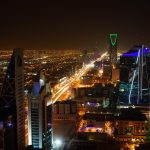
King Abdullah Economic City (KAEC) on the Red Sea coast and Jeddah’s waterfront upgrades are major urban development efforts that expand residential, industrial and commercial capacity. Jeddah Central plans to revitalize downtown Jeddah with tourism, hotel and retail investments.
These projects support commerce, logistics and urban living. Travelers using Jeddah King Abdulaziz International Airport will see growing hotel and leisure options; investors may find opportunities tied to logistics, ports and city-center hospitality.
| Project | Focus | Region / Best for |
|---|---|---|
| NEOM / The Line | Tech-driven sustainable city, long-term residential & tourism | Northwest (Tabuk); investors, futurists, eco-tourists |
| Red Sea Project | Luxury island resorts, marine conservation | Red Sea coast; beach and diving tourists, hospitality investors |
| Amaala | Ultra-luxury wellness, art and yachting | Northwest coast; luxury travelers, developers |
| Qiddiya | Entertainment, sports, theme parks | Near Riyadh; families, events, leisure investors |
| Diriyah Gate | Heritage, culture, boutique hospitality | Riyadh; cultural tourists, boutique hotel investors |
Practical Tips for Travelers and Investors
- Check official project and government websites for visitor access, event calendars and construction status before booking travel. Many sites open in phases.
- Use Riyadh King Khalid International Airport for central projects (Diriyah, Qiddiya) and Jeddah King Abdulaziz International Airport for Red Sea, Jeddah and KAEC access.
- Domestic flights and private charters are common for reaching remote resorts; plan logistics early, particularly for island or eco-resort transfers.
- For property investment, consult licensed local lawyers and brokers familiar with Saudi property laws and foreign ownership rules; frameworks are evolving.
- Be realistic about timelines: giga-projects are multi-phase and some amenities may not yet be completed when you visit.
Best Tips for Planning Your Trip
- Plan an itinerary that clusters sights by region (Riyadh cultural sites and nearby Qiddiya; Jeddah and Red Sea resorts). This reduces long domestic transfers.
- Book hotels early for major events and religious holidays—Riyadh and Jeddah can be very busy during festivals and conferences.
- Pack for climate and activities: coastal resorts require light clothing and sun protection, while desert excursions need layered clothing and hydration.
- Hire local guides for cultural sites like Diriyah and AlUla’s archaeological areas—guides provide essential context and safe routes.
- Confirm transport from airports: some resorts require private shuttles or arranged transfers rather than public transport.
Common Mistakes to Avoid
- Assuming all projects are fully open—many are phased; verify which attractions and hotels are operational.
- Underestimating travel time between sites—Saudi Arabia is vast; domestic flights or long drives are often necessary.
- Not checking local rules for photography or restricted areas—some sites have access or photography limits.
Is it worth it? Who is this best for?
Yes, for adventurous travelers and investors who value emerging destinations, unique cultural experiences and long-term growth potential, the Top Real Estate Developments in Saudi Arabia Vision 2030 offer compelling reasons to visit or consider investment. Luxury resort seekers, cultural tourists, event attendees and developers focused on hospitality or retail will find clear opportunities.
If you prefer fully mature tourist infrastructure and predictable timelines, wait for later development phases. Always balance excitement about new projects with realistic expectations about construction phases, regulatory changes and market cycles.
Conclusion
Saudi Arabia’s Vision 2030 has produced some of the most ambitious real estate initiatives in the region. The Top Real Estate Developments in Saudi Arabia Vision 2030—NEOM, The Line, Red Sea Project, Amaala, Qiddiya and Diriyah—span luxury tourism, cultural regeneration and next-generation urban design. For travelers the benefit is fresh experiences and premium resorts; for investors there are strategic opportunities tied to long-term diversification. Before you book or invest, check official project updates, travel advisories and local regulations to ensure your plans match reality.
Frequently Asked Questions
Are the major Vision 2030 developments open to tourists now?
Some areas and hotels are open in phased rollouts, while other parts remain under construction. Always check the official project websites and tour operators for current opening status and available activities.
Can foreigners buy property in Saudi Arabia within these projects?
Foreign ownership rules vary by project and location; some areas allow foreign investment under specific programs while others have restrictions. Consult a licensed local lawyer or real estate advisor and check government guidance before making commitments.
Which airport should I use to visit these developments?
Riyadh King Khalid International Airport serves projects near the capital (Diriyah, Qiddiya); Jeddah King Abdulaziz International Airport is the main gateway for Red Sea resorts and Jeddah developments. Some remote sites require domestic flights or charter transfers.
What is the best time of year to visit Saudi Arabia’s coastal resorts?
Coastal resorts are most comfortable outside the hottest summer months; however, exact seasonality depends on personal heat tolerance and planned activities like diving or sailing. Check weather averages and plan for warmer conditions during summer.
Are these projects environmentally sustainable?
Many projects emphasize sustainability and conservation—especially NEOM and the Red Sea Project—with commitments to renewable energy and habitat protection. Sustainability models vary by developer, so review environmental plans published by each project for details.
How do I book tours and transfers to remote developments?
Book through official resort operators, accredited tour companies or your hotel concierge, especially for island transfers and desert excursions. Independent arrangements can be made, but official channels often provide guaranteed access and safety standards.
Will these developments change travel costs in Saudi Arabia?
Travel costs depend on the level of service and timing: luxury resorts and exclusive experiences typically cost more than standard city hotels. Flight and transfer costs to remote sites can also increase overall trip expenses—compare options and book early.