




Saudi-Uzbek business partnership shows promise, CEO says
The CEO of the Saudi-Uzbek Business Council told Okaz that the Saudi-Uzbek business partnership is promising and currently awaiting investor engagement, in remarks published recently. The statement underscored immediate opportunities for companies from both countries and outlined steps the council is taking to facilitate deals. The announcement follows growing diplomatic and economic contact between Riyadh and Tashkent.
Who spoke, when and where: key developments
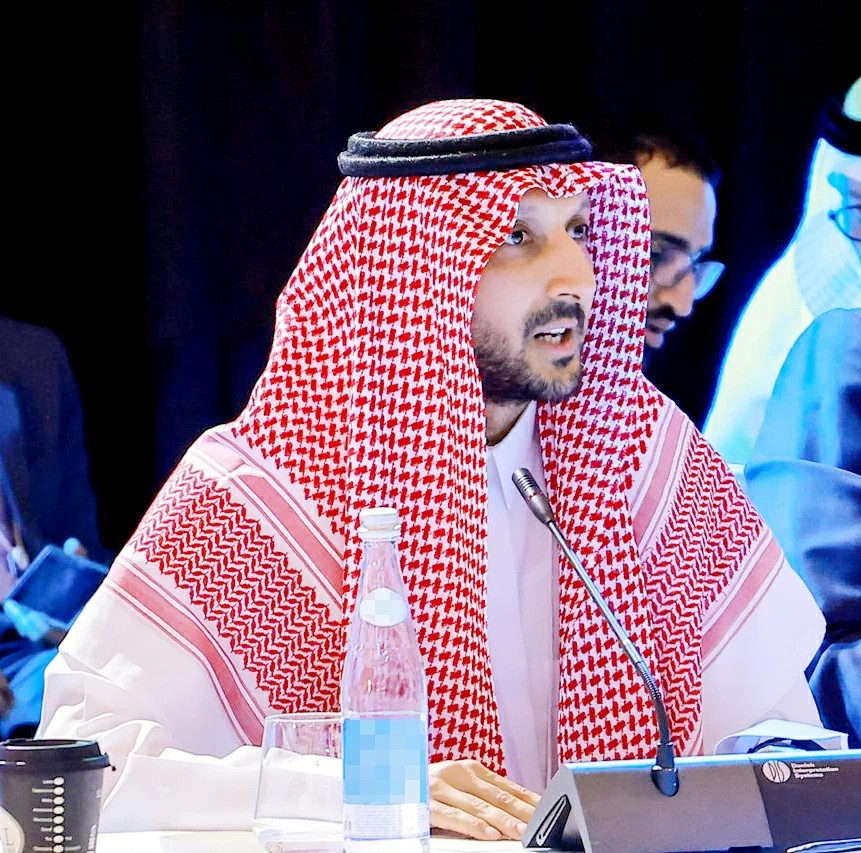
The remarks came in an interview with Okaz by the council’s chief executive, who provided an overview of ongoing efforts to match Saudi capital with Uzbek projects. The CEO described a pipeline of potential investments and reiterated the council’s role as a bridge for private sector collaboration. Meanwhile, officials from both nations have signaled interest in deepening economic ties through trade delegations and technical cooperation.
Investment opportunities and sectors of interest
The Saudi-Uzbek business partnership targets multiple sectors that could benefit from foreign investment and technical know-how. Energy, agriculture, logistics, tourism and light manufacturing were highlighted as priority areas, where Uzbekistan offers natural resources and strategic location while Saudi investors bring capital and project management experience. Furthermore, officials said both sides are exploring public-private partnerships to accelerate large-scale infrastructure projects.
Agriculture and food security
Uzbekistan’s agricultural sector has been attracting attention from regional investors because of its arable land and water resources. Therefore, Saudi companies seeking to diversify food supply chains see potential in agribusiness ventures and agro-processing projects. According to the interview, the council is compiling a shortlist of bankable projects that could appeal to investors focused on long-term food security.
Mechanisms to mobilize capital and reduce barriers
The council is working to establish mechanisms that make investment flows more efficient and less risky for private firms. These include streamlined project matchmaking, due diligence support, and coordination with relevant ministries and financial institutions. Additionally, the council plans to facilitate dialogue on regulatory alignment and incentives, which could address hurdles such as permits, land access and cross-border financing.
Officials noted that improving institutional frameworks will be critical to converting interest into signed agreements. In contrast to ad hoc inquiries, structured investment pipelines and risk mitigation tools are likely to accelerate deployment of capital. Observers say that clear legal frameworks and predictable policies remain essential to attracting sustainable foreign investment.
Bilateral trade and regional implications
Expanding bilateral trade is central to the Saudi-Uzbek business partnership and carries wider implications for regional economic networks. Increased commerce could strengthen supply chains across Central and West Asia, linking Saudi logistics capabilities with Uzbek transit corridors. Furthermore, enhanced cooperation can support diversification efforts in both economies, reducing reliance on single sectors.
Trade delegations and business forums are seen as practical steps to build trust and identify specific projects. Meanwhile, multilateral channels and regional initiatives may offer additional avenues for joint ventures that reach beyond bilateral scope. Analysts suggest that broader integration with nearby markets could multiply the benefits of initial bilateral deals.
Challenges and risk considerations
Despite enthusiasm, the path to expanded investment is not without challenges. Market entry barriers, differences in business culture, and regulatory complexity can slow negotiations. Moreover, currency convertibility and financing terms may require bespoke arrangements to align investor expectations with host-country constraints. Therefore, careful structuring and phased approaches are often recommended by experts.
To address these issues, the business council plans to offer advisory services and partner with international financial institutions where appropriate. Furthermore, building local partnerships with Uzbek counterpart firms can help mitigate operational risks and furnish essential market knowledge. The council’s outreach aims to pair investors with experienced in-country operators to improve execution prospects.
What investors should watch next
Investors interested in the Saudi-Uzbek business partnership should monitor upcoming trade events, official delegations, and sector-specific roadshows that can provide direct access to projects and counterparties. Additionally, announcements on regulatory reforms, incentive packages or pilot public-private projects will be key indicators of the climate for investment. Therefore, timely engagement and due diligence are advisable for firms considering entry.
Practical steps for potential investors
Companies are advised to engage through the Saudi-Uzbek Business Council or through their national chambers of commerce to receive verified project information. Furthermore, conducting on-the-ground assessments and seeking local legal and financial counsel can clarify compliance obligations and commercial terms. Finally, exploring co-investment with regional partners may reduce exposure while building operational capability.
Context and outlook
The council’s statements align with a broader push by both countries to diversify economic ties and expand private sector collaboration. According to the interview and related reporting, momentum appears to be building, although the pace of projects will depend on investor appetite and the resolution of procedural issues. Therefore, the next year will be telling as early-stage projects move toward financing and implementation.
Moving forward, stakeholders should watch for formal announcements of project agreements, scheduled trade missions, and any new bilateral frameworks aimed at facilitating investment flows. The council’s role in matchmaking and problem-solving will likely remain central to converting interest into concrete economic outcomes.
Conclusion: next steps and anticipated timeline
The Saudi-Uzbek business partnership is positioned to attract targeted investments if matchmaking efforts and regulatory facilitation proceed as outlined. In the near term, observers expect intensified engagement through business forums and delegation visits, with initial project agreements possibly emerging within months rather than years. Therefore, potential investors and policymakers should track council announcements and planned trade activities as indicators of tangible progress.