





Oman GCC coordination meeting advances regional dialogue in Amman
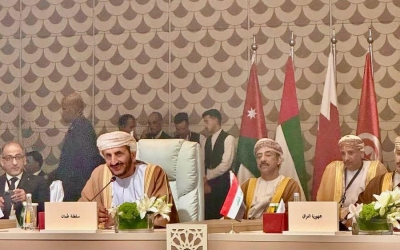
Oman participated today in a GCC coordination meeting in Amman, held on the sidelines of the 165th session of the Council of Arab Foreign Ministers. The meeting, which focused on recent regional developments and efforts to de-escalate tensions, was led by Sheikh Khalifa bin Ali Al Harthy, Undersecretary for Political Affairs at the Omani Ministry of Foreign Affairs. Officials said the discussions aimed to align Gulf positions ahead of broader Arab League deliberations.
Key outcomes from the GCC coordination meeting
Delegates exchanged updates on diplomatic initiatives and security concerns, according to attendees. Furthermore, the session emphasized coordinated diplomatic measures to support dialogue and reduce escalatory risks across the region. Meanwhile, ministers reviewed humanitarian and political channels designed to sustain calm, with an eye toward complementary action within Arab League mechanisms.
Additionally, the meeting underscored the GCC’s interest in promoting mediation and confidence-building measures. Therefore, attendees committed to ongoing consultations and information sharing, officials added. The coordination meeting offered a platform to prepare unified responses to emerging crises and to reinforce collective diplomatic messaging.
Arab League session: appointment of Nabil Fahmy and implications
At the resumed 165th ordinary session of the Council of the League of Arab States in Amman, member states approved the appointment of Nabil Fahmy as Secretary-General, succeeding Ahmed Aboul Gheit. The decision was adopted during routine proceedings that also covered several agenda items related to regional cooperation and political affairs. According to session materials and summaries, the appointment reflects consensus among member states on leadership for the next period.
Observers noted that the Arab League session provided a broader context for GCC coordination, linking pan-Arab priorities with Gulf policies. Consequently, the approval of Nabil Fahmy is likely to influence coordination between Arab institutions and Gulf state initiatives on conflict resolution and diplomatic engagement. Officials stressed that the new secretary-general is expected to prioritize diplomatic channels and institutional cooperation.
Oman’s delegation and diplomatic priorities at the meetings
Oman’s delegation to both gatherings was headed by Sheikh Khalifa bin Ali Al Harthy and included Ambassador Abdullah bin Nasser Al Rahbi, Oman’s ambassador to Egypt and permanent representative to the Arab League, and Ambassador Sheikh Fahd bin Abdulrahman Al-Ajili, Oman’s ambassador to Jordan. In addition, several senior officials from the Ministry of Foreign Affairs joined the team. The delegation’s composition reflected a mix of bilateral and regional expertise intended to support multilateral discussions.
Mission focus and strategic approach
Omani officials framed their participation around mediation, neutrality, and constructive engagement. Therefore, Oman emphasized its track record of facilitating quiet diplomacy and supporting de-escalation efforts without taking adversarial positions. According to ministry statements, the delegation sought to coordinate GCC responses while also contributing to pan-Arab strategies discussed at the Arab League session.
Main keyword: Oman GCC coordination meeting and regional impact
The Oman GCC coordination meeting served as a focal point for aligning Gulf priorities with Arab League objectives, particularly on security and diplomatic initiatives. The forum allowed Oman and its Gulf partners to present harmonized proposals on conflict mitigation and humanitarian outreach. As a result, the coordination meeting strengthened channels for joint statements and synchronized diplomacy among GCC states in Arab League settings.
Furthermore, the interaction between Gulf ministers and Arab counterparts is intended to streamline responses to rapidly evolving regional crises. Therefore, stakeholders expect improved coordination in areas such as mediation support, humanitarian aid pathways, and diplomatic backchannels. The meeting also aimed to ensure that Gulf perspectives are incorporated into Arab League deliberations and subsequent resolutions.
Broader context: de-escalation efforts and regional diplomacy
Regional actors have recently intensified diplomatic activity to prevent further escalation in multiple theaters. Consequently, the GCC coordination process and Arab League session took on greater urgency, with member states focusing on preventive measures and diplomatic outreach. Officials said these meetings are part of a sustained effort to prioritize dialogue over confrontation and to maintain open communication among capitals.
In addition, the adoption of leadership at the Arab League introduces new dynamics for institutional responses to political crises. Observers cautioned that while coordination meetings can improve messaging and response times, long-term stability will require sustained political will and concrete diplomatic initiatives. Therefore, analysts will watch how coordinated positions translate into tangible policy actions.
What to watch next
Looking ahead, the next expected steps include follow-up consultations among GCC foreign ministries and implementation of any joint statements agreed in Amman. Readers should watch whether the GCC coordination meeting produces a formal communique and how the newly appointed Arab League secretary-general engages with Gulf priorities. Additionally, tracking subsequent bilateral contacts and mediation efforts will indicate whether the meetings yield measurable progress on de-escalation.
In conclusion, Oman’s role in the Oman GCC coordination meeting underlines its continued emphasis on diplomacy and consensus-building. As member states move from consultation to implementation, the coming weeks will reveal whether coordinated strategies produce stability and advance regional dialogue.