






The Best Fitness and Sports Trends in the Gulf Region 2026 show a clear shift from luxury-only wellness to participatory, year-round active travel. From Dubai’s rooftop cycling circuits to Oman’s coastal paddleboarding hubs, the Gulf now blends high-performance training, community events and recovery science in ways that suit both residents and visiting athletes. Expect more international races, boutique studio pop-ups, data-driven coaching and sustainable sports festivals across the GCC.
These trends are practical for travelers: train with elite coaches in Abu Dhabi’s sports complexes, join a local running club in Doha, or schedule a recovery day with cryotherapy and physiotherapy in Riyadh. The region’s airports and hotels increasingly cater to active guests with gear-friendly policies, fitness menus and partnerships with gyms and sports operators—making the Gulf a compelling destination for sports tourism in 2026.
Quick Answer
The Best Fitness and Sports Trends in the Gulf Region 2026 center on outdoor endurance events, boutique fitness and hybrid gyms, wearable tech and recovery services. Major Gulf cities—Dubai, Abu Dhabi, Doha, Riyadh, Muscat and Manama—lead with events, elite training centers and water-sport programs that suit travelers seeking active experiences and sports tourism.
Key Takeaways
- Outdoor events and endurance racing are growing—more marathons, triathlons and adventure races across the GCC.
- Boutique studios, hybrid gyms and data-driven coaching are now mainstream in Gulf cities.
- Water sports and desert training offer region-specific experiences: paddleboarding, kiteboarding and sand running.
- Recovery tech, sports medicine clinics, and wellness hotels make the Gulf a practical destination for athletes.
- Plan for heat mitigation, event registration lead times, and check visa and travel-insurance requirements before booking.
Top Fitness and Sports Trends in the Gulf Region 2026
1. Outdoor endurance and sports tourism
Marathons, half-marathons, triathlons and offshore sailing regattas have multiplied across the Gulf. Organizers stage early-morning races and winter events to avoid high temperatures, and many races now include travel packages that combine hotel, race entry and guided training runs.
Travel tip: register early and confirm refund/cancellation policies; official race websites are the best source for up-to-date entry requirements.
2. Boutique fitness, hybrid gyms and community studios
High-end boutique studios offering HIIT, Pilates, CrossFit and spin are now common alongside large multi-sport complexes. Hybrid gyms combine strength training, functional fitness and recovery lounges—useful for travelers who want a short-term membership or day pass.
Mistake to avoid: assuming day passes are always available—call or book online in advance, especially in peak seasons like winter.
3. Data-driven training and wearable tech
Coaches increasingly use heart-rate variability, GPS analytics and wearable data to tailor short training blocks for visiting athletes. Many training centers accept guest athletes for 3–14 day performance camps.
Practical advice: bring your own wearable and export your data beforehand; most Gulf coaches will ask for recent training history to build an efficient plan.
4. Water sports and coastal fitness
From paddleboarding and open-water swimming in Muscat to kiteboarding and sailing in Doha, coastal sports are a major draw. Resorts and clubs offer lessons, guided tours and equipment rental—great for travelers wanting low-impact, high-enjoyment workouts.
Safety note: check local tide and wind conditions with operators and ensure your travel insurance covers water sports.
5. Desert fitness and unique training environments
Desert runs, sand sprint circuits and dune workouts are now presented as specialized training experiences. Trainers stage sunrise sessions to reduce heat stress and include acclimatization guidance for visitors.
Practical tip: allow a day for heat acclimation and carry electrolyte supplements; organizers usually provide water but check in advance.
6. Recovery, sports medicine and performance hotels
Recovery services—cryotherapy, compression therapy, IV hydration and sports physiotherapy—are widely available. Several hotels now include sports clinics or partnerships with nearby medical centers to attract athletes and sports-tourism travelers.
Traveler advice: book recovery treatments in advance, especially after an event; keep prescriptions and medical records accessible if you need physiotherapy or medical follow-up.
Cities Leading the Best Fitness and Sports Trends in the Gulf Region 2026
Dubai and Abu Dhabi
These cities are the Gulf’s fitness hubs: international races, rooftop cycling, world-class sports facilities and hotels that serve athletes. Airports (DXB, DWC, AUH) offer easy connections and many airlines accommodate oversized gear—confirm policies directly with the carrier.
Doha and Qatar
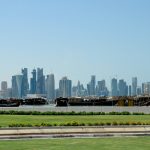
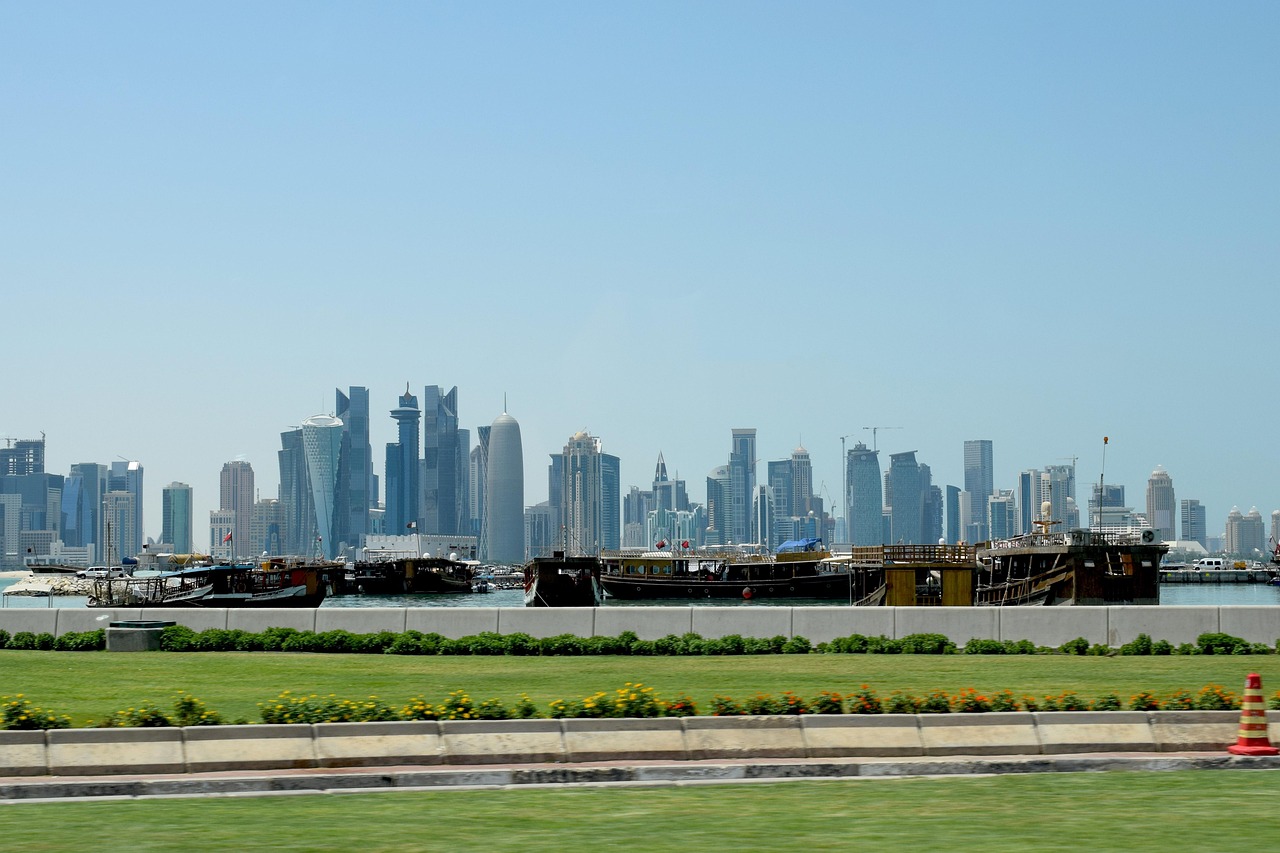
Doha hosts growing triathlon and open-water swim scenes, plus elite training centers. The compact city layout makes it easy to combine training with sightseeing around the Corniche and museums.
Riyadh and Saudi Arabia
Riyadh is investing heavily in sports infrastructure and community events. Expect rising numbers of organized runs, obstacle races and multi-discipline events tailored to local and international participants.
Muscat, Manama and the wider GCC
Smaller capitals offer strong niche experiences: Muscat for coastal adventure sports, Manama for boutique fitness and Bahrain for shorter, visitor-friendly events. Regional airports are improving gear handling and transit options for athletes.
Practical Comparisons and Things to Avoid
- Compare event timing: winter and early spring are busiest for endurance events due to cooler weather.
- Avoid assuming every gym accepts walk-ins—high-end studios often require reservations.
- Check whether events provide baggage storage and race-day transport; logistics vary significantly across organizers.
- Don’t forget that medical coverage and travel insurance can differ for competitive events—confirm coverage limits for sports-related injuries.
Best Tips for Planning Your Trip
- Time your visit for the cooler season (typically late fall to early spring) to maximize outdoor training windows.
- Book accommodations near event venues or training centers; hotels with fitness partnerships simplify logistics.
- Confirm airline sports-equipment policies and fees before you book; pack gear with protective cases where possible.
- Purchase travel insurance that explicitly covers sports participation and equipment loss.
- Check visa requirements and local entry rules well in advance—official embassies and airline pages are the best sources for current information.
- Learn local rules for open-water swims and coastal activities; many operators require basic swimming competency and safety briefings.
Who Is This Best For?
This trend mix suits active travelers who want structured training, race-focused tourists, recovery-seekers and families looking for active holiday options. It also fits athletes planning short performance camps and fitness-minded visitors who prefer guided experiences rather than self-guided exploration.
If you travel with specific medical needs or elite competition goals, contact local clinics and coaches before arrival to confirm availability and schedule.
Is It Worth It?
Yes—if you travel to the Gulf for sports and fitness with clear goals, the region delivers modern facilities, varied terrain and growing community events. The value increases when you leverage local expertise, book guided sessions, and plan around the climate and event calendars.
If your priorities are casual sightseeing or low-effort relaxation, consider combining one or two active experiences with more conventional tourism to balance your trip.
Conclusion
The Best Fitness and Sports Trends in the Gulf Region 2026 create practical and attractive options for traveling athletes and fitness-minded visitors. With expanding event calendars, specialized training centers, and recovery-focused hotels, the Gulf is moving from a luxury-wellness image to a robust sports-tourism destination. Prepare for heat, book ahead, and use local operators to get the most from your trip.
Frequently Asked Questions
What are the main sports travelers can do in the Gulf in 2026?
Outdoor endurance events, water sports (paddleboarding, kiteboarding), desert training and boutique-studio workouts are the main options. Cities across the GCC now offer guided experiences, lessons and organized races that accommodate visiting athletes.
When is the best time to plan a fitness trip to the Gulf?
The cooler months—typically late fall through early spring—are best for outdoor activities. Summers can be extremely hot; schedule races and long outdoor sessions in the cooler parts of the day and check event timing before booking.
Can I bring my sports equipment on flights to the Gulf?
Yes, most airlines allow sports equipment but rules and fees vary by carrier. Confirm baggage policies with your airline before booking and consider protective cases for bikes and boards.
Are recovery services like cryotherapy widely available?
Yes, cryotherapy, physiotherapy and performance clinics are increasingly common in major Gulf cities and at some resorts. Book treatments in advance, especially following races or intensive training blocks.
Do I need special insurance to participate in races or water sports?
Specific insurance for sports participation is recommended because standard travel policies can exclude competitive events. Check your policy’s sports coverage and consider add-ons that cover race-related injuries and equipment loss.
How do I find local running clubs or training partners?
Search social media groups, race organizers’ pages and hotel concierge services for local running clubs and coached sessions. Many cities have active expat and community clubs that welcome visitors for single sessions or short-term training.