






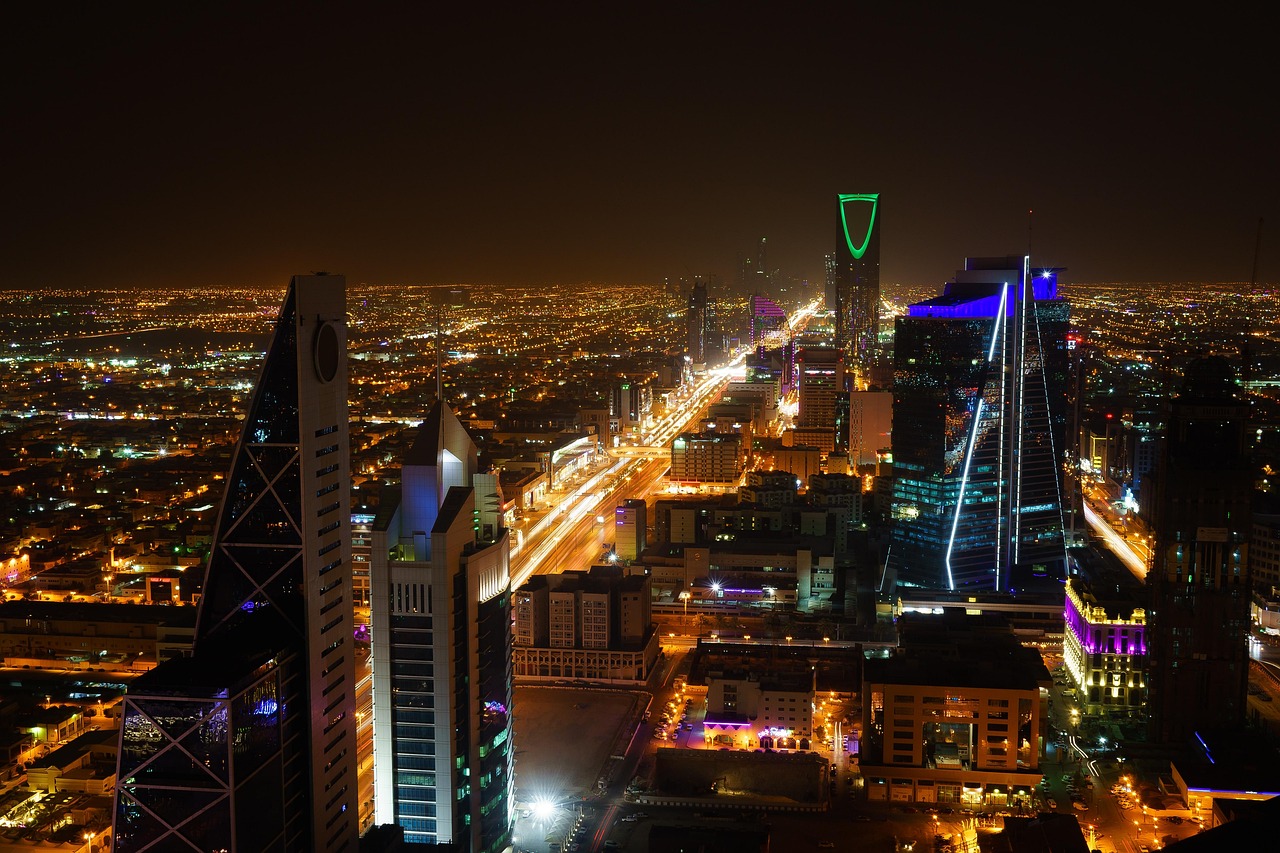

Investing in commercial real estate in Saudi Arabia can be a rewarding long-term strategy if you understand the market, legal framework, and local business practices. This guide explains how to invest in commercial real estate in Saudi Arabia with practical steps, city-level considerations, and travel tips for investors who want to inspect assets in person. Whether you aim to buy office buildings in Riyadh, warehouses near Jeddah’s port, or hospitality projects tied to growing tourism, you’ll find clear guidance to start.
The Saudi market is shaped by Vision 2030, rising domestic demand, and significant infrastructure projects. Foreign investment rules have evolved, and new financing options such as Islamic banking products and listed REITs provide multiple paths into commercial property. Read on for a step-by-step process, risk management tips, and travel advice if you plan a site visit to Saudi Arabia.
Quick Answer
How to invest in commercial real estate in Saudi Arabia: decide your strategy (direct purchase, joint venture, or REIT), research cities and asset types (Riyadh, Jeddah, Dammam, NEOM), complete legal and financial due diligence with local advisors, secure financing or a local partner, and manage the asset through a professional property manager. Check current regulations with the Saudi Ministry of Investment and legal counsel before committing.
Key Takeaways
- Decide between direct ownership, partnership, or REIT exposure to match capital, risk tolerance, and desired control.
- Focus on high-demand cities—Riyadh for offices, Jeddah for logistics and trade, Dammam for industry, and new projects like NEOM for long-term plays.
- Use local legal, tax, and property management experts for due diligence, closing, and leasing.
- Plan an on-ground visit: meet brokers, inspect buildings, and get a feel for neighborhoods and infrastructure.
- Be patient: commercial deals take time, and exit options include private sale, REIT listing, or joint-venture buyouts.
Why Invest in Commercial Real Estate in Saudi Arabia?
Saudi Arabia’s economy is diversifying beyond oil, driving demand for commercial property—offices, logistics, retail, and hospitality. Major infrastructure projects and urban growth create opportunities in established cities and new economic zones.
Government reforms have gradually opened the market to more foreign capital and introduced instruments like public REITs. This evolving regulatory landscape means investors who move carefully and use local expertise can access attractive opportunities.
How to Invest in Commercial Real Estate in Saudi Arabia: Step-by-Step
Step 1: Define your investment strategy
Decide if you want direct ownership, a joint venture with a Saudi partner, or to buy shares in a listed real estate investment trust (REIT). Direct ownership gives control but demands local operational knowledge. REITs and funds offer liquidity and lower operational burden.
Step 2: Understand ownership rules and regulation
Foreign ownership regulations and licensing requirements change periodically. Check with the Ministry of Investment (MISA) and consult a local law firm to confirm whether specific asset classes or locations require special approvals. Don’t rely on general assumptions—get written confirmations where possible.
Step 3: Market research and city selection
Choose a city and asset type aligned with demand drivers. Riyadh is the financial and administrative center with steady office and residential demand. Jeddah serves port-related logistics, retail, and hospitality markets. The Eastern Province around Dammam anchors industrial and energy-related uses. Emerging zones like NEOM are long-horizon plays tied to megaprojects.
Step 4: Due diligence and financial modeling
Thorough due diligence is essential: title and ownership checks, lease expiries, tenant creditworthiness, building condition, compliance with Saudi regulations, and utility access. Build conservative financial models that stress-test rental growth, vacancy, and operating costs. Work with a local accountant and surveyor to validate assumptions.
Step 5: Financing and structuring the deal
Explore Islamic finance options, local bank loans, or equity partnerships. Foreign investors often find joint ventures useful to access local market knowledge and smoother approvals. Confirm tax and Zakat implications with a tax advisor—rules can vary by investor type and the legal structure used.
Step 6: Closing, management, and exit planning
Use reputable local notaries and lawyers to finalize contracts and ensure registration is complete. Hire a professional property management firm to handle leasing, maintenance, and tenant relations. Define exit strategies up front: private sale, REIT listing, or buyout by a partner are common options.
Types of Commercial Real Estate and What to Consider
Offices
Riyadh leads office demand from government, finance, and professional services. Focus on buildings with modern amenities and energy efficiency—tenants in Saudi cities increasingly expect strong building management and internet connectivity.
Retail and Shopping Centers
Retail performs where population density and tourism intersect. Jeddah and major malls attract both domestic shoppers and visitors. Consider tenant mix, the lease structure, and footfall analytics when evaluating retail assets.
Logistics and Industrial
Ports, free zones, and highways drive warehouse demand. Proximity to King Abdulaziz Port (Jeddah), King Fahd Industrial Port (Dammam), and major transport corridors matters. Modern logistics parks with last-mile access command better tenant interest.
Hospitality
Tourism reforms expand demand for hotels near cultural sites, business districts, and new entertainment projects. Operator selection and brand affiliation are critical—experienced hotel management can materially affect returns.
Mixed-Use and Development Projects
Mixed-use developments combine residential, retail, and offices, and can deliver diversified cash flow. Development risk is higher and requires strong local partners and approvals.
Practical Examples and Comparisons
Example 1: A foreign investor uses a local joint venture to buy a small office building in Riyadh; the local partner handles approvals and leasing relationships. Example 2: An institutional investor buys shares in a Saudi REIT for exposure to diversified retail and logistics assets without managing properties directly.
Comparison: REITs provide liquidity and lower hands-on work, but direct ownership can offer higher control and potential value-add through renovations or re-leasing. Choose based on capital, timeline, and appetite for operational involvement.
Mistakes to Avoid
- Skipping on-ground inspections: photos and remote reports miss neighborhood character and local tenant demand.
- Underestimating regulatory approvals and timelines—permits and registrations can take longer than expected.
- Ignoring cultural norms—local business customs and contract negotiation styles matter.
- Failing to use local advisors for tax, legal, and property management—this increases risk and hidden costs.
Best Tips for Planning Your Trip
If you plan to visit Saudi Arabia to inspect commercial properties, schedule at least a week in-country to meet brokers, lawyers, bankers, and property managers. Fly into main hubs—King Khalid International Airport (Riyadh), King Abdulaziz International Airport (Jeddah), or King Fahd International Airport (Dammam)—depending on the cities you’ll visit.
Book hotels near business districts; Riyadh’s central neighborhoods and Jeddah’s northern districts are convenient for meetings. Arrange local SIM cards and transport in advance, and check visa requirements and entry rules with official Saudi diplomatic sources before travel. Carry copies of project documents, maps, and contact details for your local team. Buy travel insurance that covers business travel and site visits.
Respect local customs and prayer times when scheduling inspections—many businesses pause briefly during prayer hours, and Friday is a weekend day in Saudi Arabia. Use a trusted local fixer or real estate agent to coordinate viewings and translations.
Who Is This Best For? Is It Worth It?
This approach is best for long-term investors, institutional players, and high-net-worth individuals comfortable with emerging-market complexity. If you seek diversified, income-generating assets and can accept regulatory and market shifts, Saudi commercial real estate offers potential rewards tied to population growth and large-scale development projects.
Is it worth it? For investors with a clear strategy, local partners, and patience, yes—the market has structural drivers that support commercial demand. For short-term speculators or those unwilling to engage local expertise, the risks and administrative hurdles may outweigh benefits.
Conclusion
How to invest in commercial real estate in Saudi Arabia comes down to choosing the right entry method, doing thorough due diligence, and working with experienced local advisors. Focus on the right city and asset class for your goals, plan an on-the-ground visit, and structure deals with clear management and exit plans. With careful preparation and sensible risk management, Saudi commercial property can be a productive part of a diversified portfolio.
Frequently Asked Questions
Can foreign investors buy commercial property in Saudi Arabia?
Yes, foreign investors can buy commercial property under certain conditions, but rules vary by asset type and location. Always verify current regulations with the Ministry of Investment and a local legal advisor before proceeding.
What cities are best for commercial real estate investment in Saudi Arabia?
Riyadh, Jeddah, and Dammam are the primary commercial hubs, with emerging opportunities in special zones like NEOM. Choose cities based on the asset class—offices in Riyadh, logistics in Jeddah/Dammam, and hospitality near tourist projects.
Should I invest directly or use a REIT?
Direct investment offers more control and potential upside but requires operational capacity and local knowledge. REITs provide easier access, liquidity, and lower hands-on management—choose based on capital, time horizon, and desired involvement.
How important is local partnership when investing in Saudi real estate?
Local partners are often crucial for navigating approvals, market relationships, and cultural business practices. Many foreign investors use joint ventures to reduce execution risk and improve access to financing and tenants.
What due diligence should I perform before buying?
Conduct title verification, lease reviews, tenant credit checks, structural inspections, zoning and permit confirmation, and tax and legal reviews. Engage local lawyers, surveyors, and accountants to validate all findings.
Are there financing options for foreign investors?
Financing can be available through local banks, Islamic finance providers, or international lenders, but terms depend on investor structure and collateral. Many foreign investors combine equity with local financing or partners to close deals.
How long does it take to complete a commercial property transaction?
Transaction timelines vary widely depending on the complexity, approvals required, and whether the investor is foreign. Expect several weeks to several months; plan for extended timelines and factor this into your due diligence and cash flow models.
What are common exit strategies?
Common exits include private sale, listing the asset or company on the Saudi stock exchange (Tadawul), or selling to a local or institutional buyer. Predefine exit options during deal structuring to align incentives and timelines.