







US-Iran agreement and ceasefire extension
The United States and Iran announced an agreement after weeks of negotiations that extends the ceasefire declared on April 8 by a further 60 days, according to the Financial Times. The US-Iran agreement, described by the newspaper as “the least bad option,” does not yet provide a permanent resolution to the conflict that has roiled the Middle East and unsettled global energy markets.
Officials and analysts said the immediate goal of the deal is to buy time for diplomats to tackle the most difficult outstanding issues, foremost among them the future of Iran’s nuclear program. Meanwhile, the accord aims to reduce the acute humanitarian emergency on multiple fronts and prevent further regional escalation.
Humanitarian toll and regional implications
According to the Financial Times, the conflict has caused more than 7,000 deaths, including roughly 4,000 fatalities from strikes in Lebanon as fighting between Israel and Hezbollah intensified. The newspaper framed the ceasefire extension as an urgent humanitarian necessity after months of intense hostilities and mass displacement.
Furthermore, the ceasefire extension has immediate economic and security implications. Energy markets reacted to the de-escalation, while governments in the region and beyond signaled cautious relief. However, the report cautioned that the situation remains fragile and that renewed violence could quickly reverse the limited gains.
Why the agreement is described as the ‘least bad option’
The Financial Times argued that the deal is a pragmatic compromise rather than a comprehensive settlement. The agreement postpones the most contentious questions — including verification and limits on nuclear activities — to the next phase of talks, which will occupy the 60-day window.
Analysts noted that both sides have incentives to avoid a return to full-scale war. Iran faces mounting economic pressures, accelerated inflation and potential popular unrest, which the report says make its leadership more inclined toward negotiation. At the same time, Israeli and Lebanese civilian suffering has increased domestic and international calls for restraint.
Political obstacles and international leverage
The Financial Times highlighted significant opposition to the deal from several quarters, from hard-line figures inside both Washington and Tehran to Israeli Prime Minister Benjamin Netanyahu, who publicly preferred ongoing military operations. The presence of dissenting actors increases the risk that the ceasefire extension will be undermined by unilateral actions.
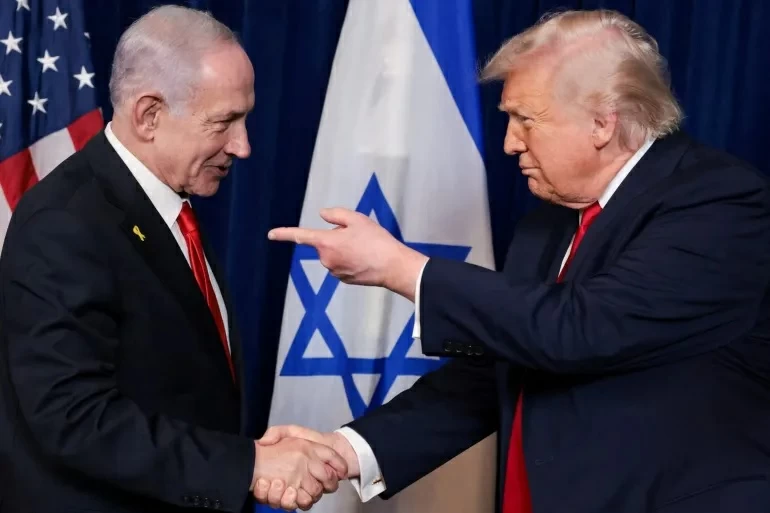
Success of the US-Iran agreement will depend in part on Washington’s ability to influence allied actors, the report suggests. President Trump, for instance, reportedly used diplomatic pressure after an Israeli strike on Beirut nearly derailed negotiations, underscoring how U.S. leverage — including military aid and political cover — remains a decisive factor.
Domestic politics in Tehran and Washington
Iran’s leadership faces competing pressures: the need to demonstrate strength to domestic constituencies while addressing economic strain that could fuel unrest. In the United States, hawkish voices in Congress and within the administration could seek to constrain diplomatic flexibility, complicating ratification or implementation of any longer-term arrangement.
Therefore, maintaining discipline among allies and hardline factions will be central to preserving the fragile truce during the negotiation window. Observers warned that a single high-profile strike or miscalculation could unravel confidence and prompt renewed hostilities.
Key issues to be negotiated: nuclear program and verification
Officials and analysts expect the most complex discussions to center on Iran’s nuclear program and the mechanisms for verification and enforcement. The Financial Times emphasized that the 60-day pause is intended to create space for technical talks and diplomatic bridging on those matters.
Experts say that durable progress will require detailed arrangements on inspections, limits on enrichment levels, and sanctions relief calibrated to verifiable steps. Meanwhile, other regional security concerns — missile systems, proxy networks and maritime security — are likely to be part of a broader follow-up agenda.
What the region and markets should watch next
Over the coming weeks, diplomats are expected to focus on translating the temporary truce into measurable agreements on nuclear limits and verification measures. The ceasefire extension creates a clear timeline: negotiators have roughly 60 days to produce a framework that can survive domestic opposition and further incidents.
Market participants, humanitarian groups and regional governments will be watching for signs of implementation, including reductions in cross-border strikes, agreed inspection regimes, and concrete steps toward de-escalation. Additionally, observers will track whether any faction attempts to derail talks through provocative actions.
Conclusion: a fragile pause with a short timetable
The Financial Times frames the deal as an interim, risk-laden improvement rather than a lasting peace. The US-Iran agreement provides breathing room to address the nuclear program and related security disputes, but its durability hinges on political will, effective verification and restraint by regional actors.
Readers should watch negotiations over the next 60 days for progress on verification, any signs of renewed military activity and how international backers manage pressure on hardliners. The immediate next step is diplomatic engagement on technical nuclear issues and confidence-building measures that could determine whether the temporary ceasefire becomes a path toward a more durable settlement.