






Lighting fires in non-designated areas sparks enforcement action in Asir
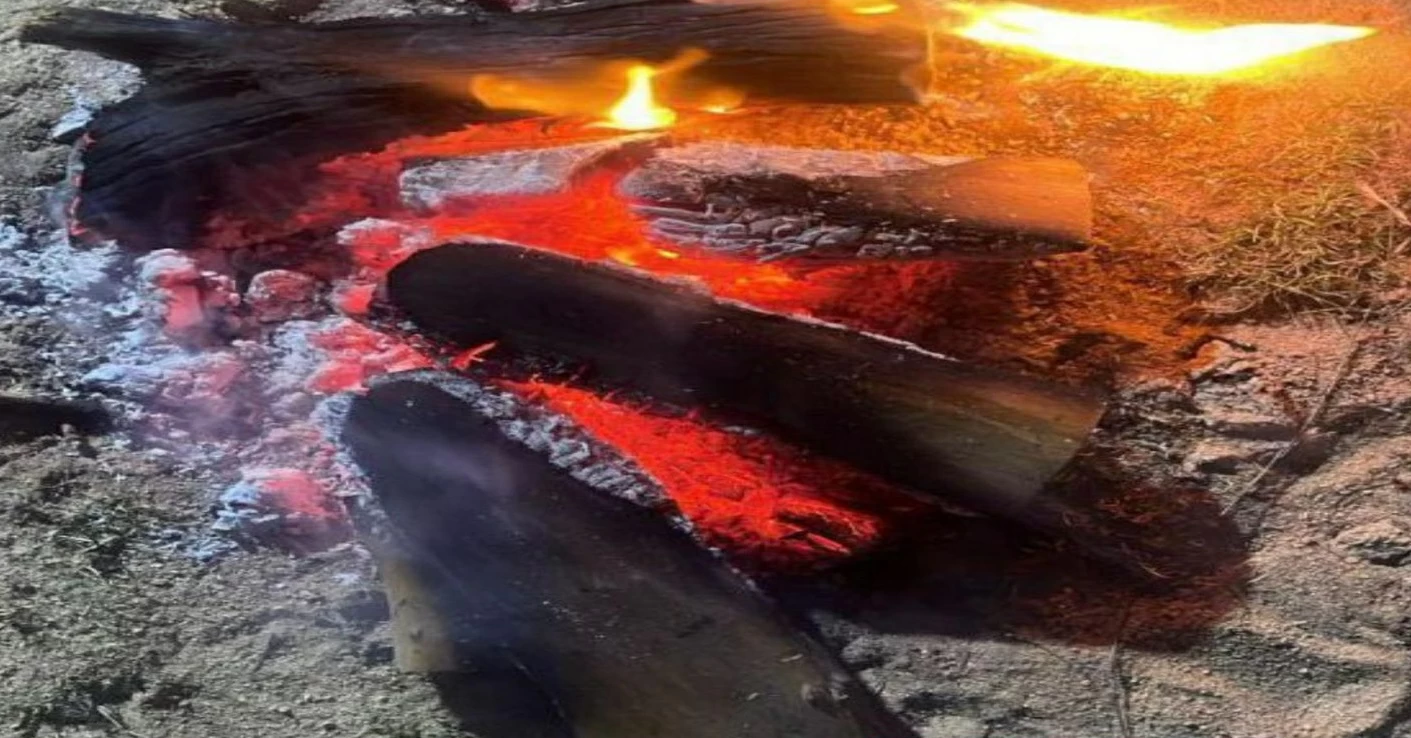
The Special Forces for Environmental Security recently detained a citizen in the Asir region for lighting fires in non-designated areas, officials said. The suspect ignited a blaze outside authorized sites in a forested area, prompting immediate intervention by environmental security forces and the application of legal procedures against the individual.
The agency noted that the penalty for such actions in forests and national parks can include a fine of up to 3,000 Saudi riyals. Authorities urged residents and visitors to follow site-specific rules to protect protected vegetation and to report any suspected offenses via the official hotlines provided for different regions.
Lighting Fires in Non-Designated Areas: Arrest and penalty details
According to the Special Forces for Environmental Security, the detained person failed to comply with instructions and guidance aimed at preserving plant cover. Therefore, the force applied the statutory measures in line with environmental protection regulations, officials said. The arrest underscores the enforcement posture toward violations that threaten biodiversity and public safety.
Furthermore, the forces emphasized that lighting fires in non-designated areas in woodlands or national parks is punishable by fines and other legal consequences. The stated maximum fine of three thousand riyals is part of a broader regulatory framework intended to deter behavior that can lead to wildfires and long-term damage to flora and fauna.
Reporting channels and enforcement procedures
Officials encouraged the public to report any incidents that constitute an assault on the environment or wildlife. Reporters in the regions of Mecca, Medina, Riyadh and the Eastern Province are asked to call 911, while residents in other regions should use 999 or 996, the agency said. The forces reassured callers that all reports will be handled confidentially and that whistleblowers will not bear legal responsibility for reporting infractions.
In addition, the ministry and enforcement units coordinate responses to such reports, including site inspections, evidence collection and referrals to competent judicial authorities where warranted. Therefore, the quick public reporting of observed violations is a central component of effective wildfire prevention and the protection of public lands.
Why lighting fires in non-designated areas is a serious risk
Fires started outside designated areas can spread rapidly, especially in dry seasons or in mountain valleys where vegetation is dense. Environmental security forces and conservation experts warn that unauthorized campfires and open flames endanger wildlife habitat, degrade soil, and may lead to costly suppression efforts. Meanwhile, nearby communities can face evacuations and infrastructure damage when wildfires escalate.
Furthermore, the Asir region features significant forest cover and unique ecosystems that are particularly vulnerable to human-caused ignition. Officials say that protecting protected vegetation is essential for maintaining watershed stability and preserving biodiversity, and that enforcement actions serve both public safety and conservation objectives.
Legal context and related protections
The regulatory framework governing forest and park safety sets out clear prohibitions against igniting fires outside marked sites, along with prescribed penalties. According to official guidance, these measures are part of a broader strategy to reduce human-caused wildfires and to enforce rules that maintain the ecological integrity of national parks and forests.
Environmental security forces work with local municipalities, the Ministry of Environment, Water and Agriculture, and civil defense units to apply preventive and punitive measures. Therefore, coordinated enforcement increases the likelihood of swift containment and legal follow-up when incidents occur.
Prevention measures and public guidance
Authorities recommend using only designated camping and barbecue zones where fire containment infrastructure exists. In addition, visitors should follow posted instructions, fully extinguish any authorized flames before leaving, and avoid discarding flammable materials in natural areas. These simple steps are central to wildfire prevention and the protection of fragile ecosystems.
Public education campaigns, signage at parks, and periodic patrols by environmental security forces aim to increase compliance with site rules. Furthermore, community outreach and partnerships with local organizations can reinforce responsible behavior among residents and tourists, officials said.
Implications and what to watch next
The recent arrest in Asir signals continued enforcement of environmental rules and an emphasis on protecting plant cover and wildlife. Observers should watch for follow-up actions, including any prosecution or public awareness initiatives announced by the ministry or enforcement agencies. These steps may include seasonal restrictions, expanded patrols, or targeted campaigns in high-risk areas.
Meanwhile, authorities will likely continue to publicize reporting channels and to encourage community cooperation. The effectiveness of these measures will be seen in adherence rates during the upcoming high-risk period for wildfires and in any reduction of human-caused ignition incidents.
For more information on regulations and prevention guidance, consult the Ministry of Environment, Water and Agriculture website at https://www.mewa.gov.sa or contact the relevant local enforcement hotline. The Special Forces for Environmental Security and related agencies maintain ongoing operations to protect natural resources and public safety.