






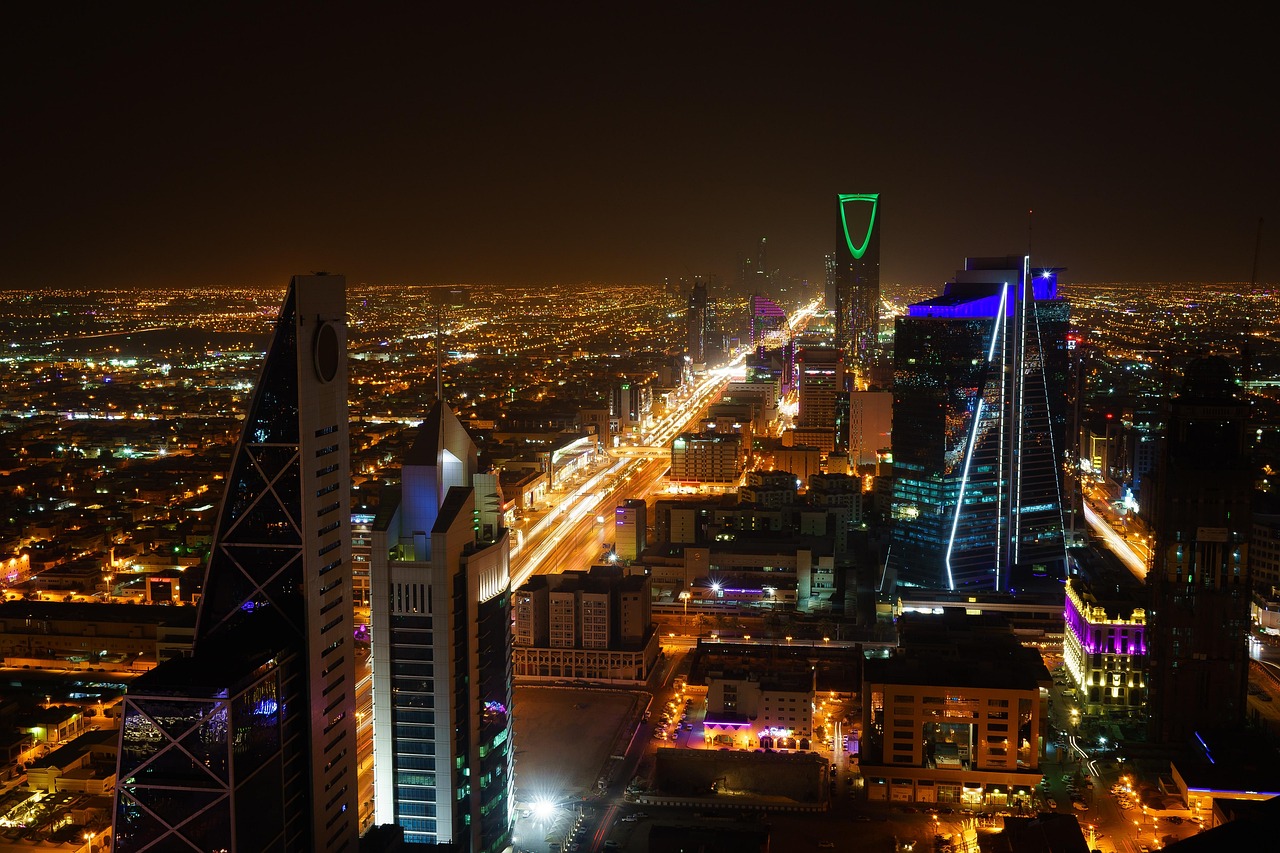

Opening a cafe in Saudi Arabia combines a growing coffee culture with rapidly changing business rules and a distinctive local market. How to start a coffee shop business in Saudi Arabia begins with clear research: choose the right city, understand licensing and food-safety rules, and design a concept that fits local tastes and customs. Visitors and entrepreneurs who plan a scouting trip can get a much better sense of foot traffic, rent levels, and supplier networks by seeing neighborhoods and meeting potential partners in person.
This guide walks you through practical steps you can take from the first idea to a soft opening: market selection, legal registration, permits, staffing, supply chain, marketing and travel tips for scouting locations across Riyadh, Jeddah, Dammam and tourist hubs like AlUla. It avoids speculation on exact fees or legal minutiae that change frequently—check official Saudi government and municipal websites or a local advisor for the most current requirements.
Quick Answer
How to start a coffee shop business in Saudi Arabia: research the local coffee market, pick a high-footfall city or mall, register your company with the relevant Saudi authorities, secure municipal and food-safety permits, hire and train staff mindful of local workforce rules, build reliable supply chains for beans and equipment, and launch with a marketing plan that taps delivery apps and social media.
Key Takeaways
- Do local market research and scout multiple neighborhoods in-person before committing to a lease.
- Obtain commercial registration and municipal food permits; check the Saudi Food and Drug Authority (SFDA) rules.
- Plan staffing around local labor rules and cultural norms; consider barista training and customer service in Arabic and English.
- Partner with a trusted local consultant or lawyer to navigate registration and tax obligations.
- Use delivery partners, social media, and mall placements to reach customers quickly.
Market Research and Concept: Where to Open in Saudi Arabia
Start by defining your concept: specialty third-wave coffee, quick-service chain, café-restaurant hybrid, or a boutique coffee and book shop. Each concept fits different locations. Malls and high-street retail in Riyadh or Jeddah attract families and shoppers; university areas and creative districts are stronger for specialty and independent cafes.
City comparisons
- Riyadh: growing corporate and retail hubs, good for mid-to-high-end cafés and franchise models.
- Jeddah: coastal city with diverse tastes and strong tourism in Al-Balad and Corniche areas.
- Eastern Province (Dammam/Al Khobar): strong residential communities and expat presence.
- Tourist destinations (AlUla, Neom, Diriyah): high seasonal demand but limited permanent footfall—best for pop-ups or premium concepts.
Step-by-Step: Legal Setup and Licensing
Legal steps often happen in parallel: company registration, municipality approvals, and food-safety permits. Regulations can change, so verify requirements with official Saudi agencies and a local business lawyer or consultant.
Essential registrations and permits
Common permits include commercial registration (to operate legally), a municipal trade license, and food safety approvals. You will also need tax registration and payroll compliance for employees.
| Permit | Typical Issuer |
|---|---|
| Commercial registration (CR) | Ministry of Commerce or relevant registration portal |
| Municipal trade license and occupancy permit | City Municipality |
| Food safety and hygiene permit | Saudi Food and Drug Authority (SFDA) / Local health departments |
| Tax and VAT/Zakat registration | Zakat, Tax and Customs Authority (ZATCA) |
| Investment or foreign investor approvals | Ministry of Investment of Saudi Arabia (check current rules) |
Choosing a business structure
Options include sole proprietorship, limited liability company (LLC), or franchise arrangements. Foreign investors should verify ownership rules and whether an investment license or local partner is necessary for their specific business model.
Operations: Location, Suppliers and Equipment
Location drives gross sales. When scouting, note pedestrian flow, visibility, nearby anchors (malls, universities, offices), and parking. Lease agreements in Saudi Arabia can include tenant improvement allowances but also require careful review of termination and rent escalation clauses.
Supplies and coffee sourcing
Decide between working with local roasters (in Riyadh and Jeddah you’ll find specialty roasters) or importing beans. Equipment—espresso machines, grinders, ovens—can be bought new or used; warranties and local service support matter for uptime. Build relationships with multiple suppliers to avoid single-source disruption.
Menu and cultural fit
Offer items that respect local tastes and customs: high-quality Arabic coffee options and non-alcoholic pairings are important. Consider prayer times and seasonal shifts (Ramadan services and timings) when planning hours and promotions.
Hiring, Training and Local Workforce Rules
Staffing is both operational and cultural. Saudi labor regulations and national employment policies encourage hiring Saudi nationals; familiarize yourself with these rules and payroll obligations. Recruit a mix of local baristas and experienced expatriate managers if needed.
Training and customer service
Invest in barista training and customer-facing language skills. Hospitality expectations in Saudi Arabia are high; consistent service quality and clean, welcoming spaces contribute strongly to repeat business.
Marketing, Delivery and Payments
Digital marketing drives early discovery. Saudi consumers are active on Instagram, Snapchat and X; food bloggers can quickly raise a café’s profile. Partner with delivery platforms like HungerStation, Jahez, and Careem Now to reach customers who prefer delivery.
Payment systems and customer convenience
Accept local payment methods such as Mada as well as international cards and mobile wallets. Clear signage in Arabic and English helps tourists and expats order comfortably.
Mistakes to Avoid
- Skipping on-the-ground scouting—photos and rent quotes don’t replace walking the street at peak times.
- Assuming one menu fits all cities—taste preferences vary between coastal and inland regions.
- Underestimating time for permits—allow extra weeks for municipal and food-safety approvals.
- Neglecting cultural norms—operational hours and marketing must respect religious observances like prayer times and Ramadan.
- Relying on a single supplier for beans, milk, or equipment servicing.
Best Tips for Planning Your Trip to Scout a Coffee Shop
Plan a focused scouting trip: allow at least one week in each target city to meet landlords, visit malls, and test supplier options. Book meetings with local chamber of commerce representatives and a business consultant before you arrive.
- Schedule visits around peak hours and prayer times—observe morning rush, afternoon lull, and evening spikes.
- Meet with two or three local roasters and equipment suppliers to compare service and warranties.
- Talk to existing café owners about rent, utilities, and hidden costs like commissioning and municipality fees.
- Bring a local fixer or Arabic-speaking partner to speed up negotiations and paperwork.
- Check visa options for business visits and confirm travel requirements with official Saudi consular sites before booking.
Is It Worth It? Who Is This Best For?
Opening a coffee shop in Saudi Arabia can be rewarding: the market shows strong demand for both local coffee traditions and specialty coffee culture. It’s best for entrepreneurs who can adapt to local tastes, build strong supplier and local government relationships, and manage operational complexities.
Franchise operators with capital, experienced specialty coffee entrepreneurs, and partnerships with local investors tend to face fewer regulatory headaches. Solo operators without local support should budget time and resources for compliance and cultural adaptation.
Conclusion
How to start a coffee shop business in Saudi Arabia comes down to careful market selection, local regulatory compliance, reliable supply chains, and cultural sensitivity. Scout locations in person, secure the correct permits, hire and train local staff, and use social media and delivery platforms to reach customers. Work with an experienced local advisor to navigate changing rules and to reduce delays—this makes launching a café in Saudi Arabia far more manageable and increases your chance of long-term success.
Frequently Asked Questions
What are the first legal steps to start a coffee shop in Saudi Arabia?
Register your business with the commercial registration authority and obtain a municipal trade license. You should also apply for food-safety approvals and tax registration; consult a local lawyer or consultant to confirm exact steps.
Do foreigners need a Saudi partner to open a café?
Requirements vary by sector and investment type, and rules have evolved in recent years. Check the Ministry of Investment and local regulations or consult a corporate lawyer for the current foreign-ownership rules.
Which Saudi cities are best for a new coffee shop?
Riyadh and Jeddah are strong for both franchises and specialty cafes due to high population and retail activity; Dammam/Al Khobar suit residential and expat markets, and tourist hubs like AlUla are good for seasonal premium concepts. Choose based on your target customer and rent affordability.
What permits are needed to serve food and beverages?
You will typically need a municipal trade license and a food-safety permit from the SFDA or local health authority. Specific requirements depend on menu complexity and whether you serve ready-to-eat foods, so confirm with the municipality.
How should I find suppliers and roasters in Saudi Arabia?
Scout local specialty roasters during your visit and ask for sample cuppings and references. Also secure equipment suppliers with local service and spare parts availability to minimize downtime.
How long does it take to open after signing a lease?
Timelines vary widely depending on permit processing, fit-out work and equipment delivery. Allow several weeks to a few months for licensing and fit-out; speak with local contractors and your municipality for realistic schedules.
Can I use delivery apps to boost early sales?
Yes. Partnering with local delivery platforms like HungerStation, Jahez, and Careem Now helps reach a broad customer base quickly. Factor in commission costs and packaging standards when calculating margins.
Are there specific cultural considerations for marketing and hours?
Yes. Respect prayer times and religious observances like Ramadan in your opening hours and promotions. Use Arabic-language marketing alongside English and tailor menu items to local tastes for better reception.