






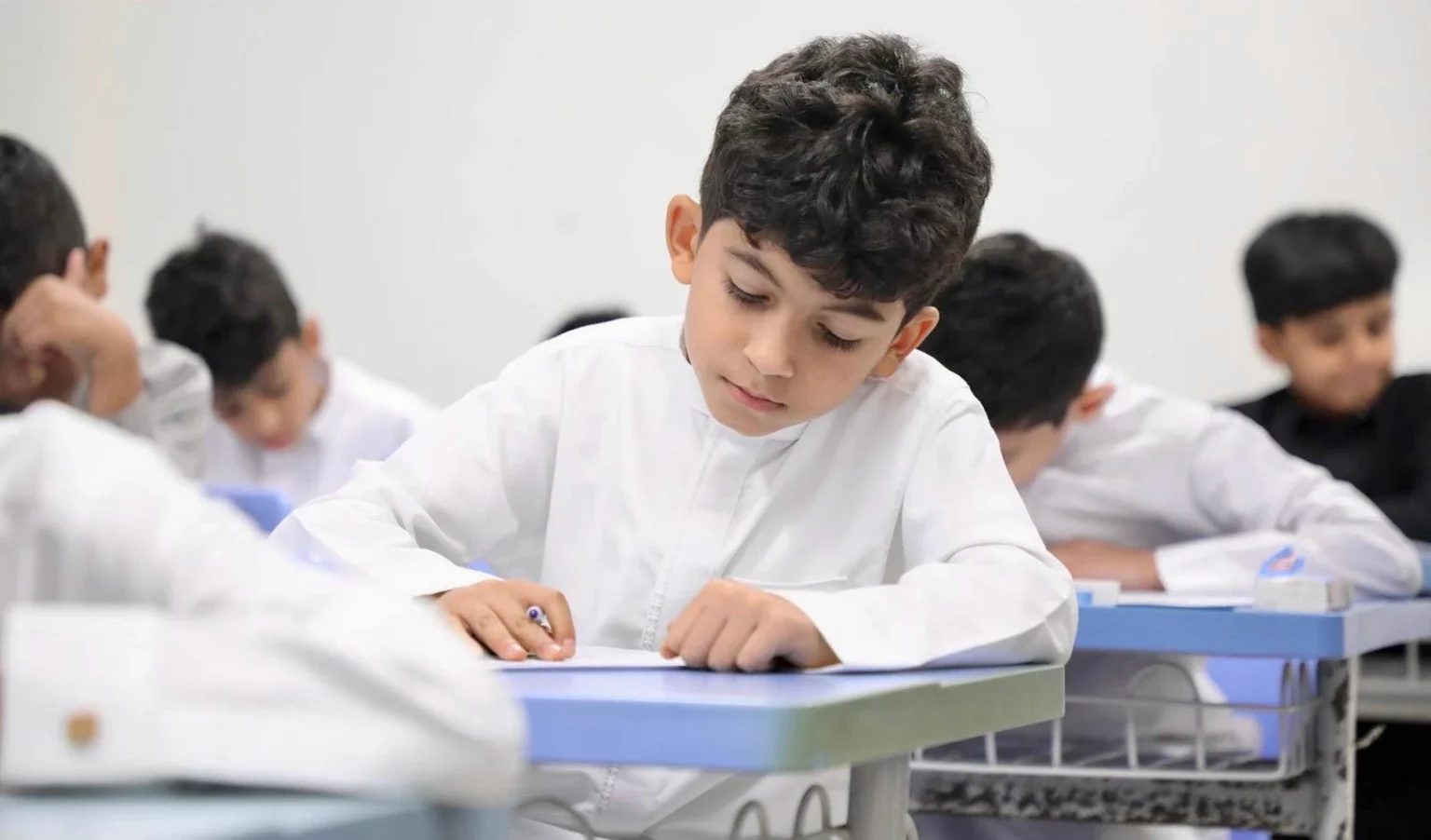

As schools reopen after the Eid holiday, school absenteeism after holidays has returned to the agenda as an annual challenge for educators and families. The Ministry of Education and local school administrations reported renewed attention on tracking attendance and managing early absences as students resume classes. Officials say the first days after a break are critical to restoring routines and classroom engagement.
Who: students across grades, school staff, and parents. What: renewed monitoring of attendance and targeted follow-up for absences. When and where: immediately following the holiday period in public and private schools nationwide. Why: to prevent early gaps in learning that can compound over time and affect both individual progress and classroom dynamics.
School absenteeism after holidays: immediate response
Education authorities have framed school absenteeism after holidays as a matter of classroom continuity and school discipline that requires coordinated action. The Ministry of Education emphasized the use of electronic attendance systems to record absences and trigger alerts to schools and parents, according to official guidance shared with district offices.
Schools are instructed to contact families on the first day a student is absent without prior notice, and to document repeated or unexplained absences for possible intervention. Meanwhile, school leaders are asked to reinforce routines, clarify schedules, and prioritize early review lessons so that returning students can reconnect with subject matter quickly and with confidence.
Home preparation and parental role
Families play a central role in reducing post-holiday absences. Simple measures at home — such as organizing sleep schedules, preparing school supplies the night before, and setting clear expectations about attendance — help students transition back into the school week. Parental involvement is repeatedly cited by educators as a preventive factor in student attendance.
Positive conversations about the value of school and steady morning routines also reduce resistance to early returns. Additionally, parents are asked to avoid extending travel or social plans beyond official holiday dates. These proactive steps bolster student attendance and support a smoother restart for teachers and classmates.
Coordination, monitoring, and long-term effects
School leaders and district offices rely on a mix of automated attendance tracking and human follow-up to identify patterns of concern. Early intervention teams, school counselors, and student support coordinators are typically engaged when absences recur. According to ministry guidance, diagnosing whether absences stem from academic difficulty, family issues, or wellbeing concerns is a priority for timely response.
Absenteeism after holidays can disrupt the sequence of lessons, impede comprehension of new material, and limit participation in formative classroom activities. Over time, missed days affect assessment readiness and undermine the development of positive habits tied to school discipline and learning outcomes. Therefore, monitoring systems aim to catch small disruptions before they evolve into chronic problems.
Practical classroom and district strategies
Schools are adopting several practical measures to stabilize attendance trends after breaks. Teachers are encouraged to begin the first week with concise review sessions and clear learning targets, which make returning students feel less overwhelmed and more likely to participate. Furthermore, student mentors and peer-support programs can help re-engage learners who feel disconnected.
At the district level, officials said they would continue to send reminder communications to families before term resumption and to publish guidance on attendance expectations. Some districts coordinate with community services to address barriers such as transportation or health needs that contribute to absences, reinforcing that student attendance is a shared responsibility.
Balancing discipline and support
Reducing absence rates requires a balanced approach that combines clear school discipline with supportive interventions. While punctual record-keeping and follow-up are essential, educators emphasize that responses should distinguish between occasional, excused absences and patterns that signal deeper issues. Counselors and social support staff are often deployed to work with families when needed.
Targeted support might include tutoring to close short-term learning gaps, flexible attendance plans for students with legitimate constraints, and referrals to health or social services. These steps aim to restore students to the classroom rhythm without unduly penalizing families who face genuine difficulties.
What readers should watch next
Observers should monitor district reports on attendance trends during the first two weeks after the break, when officials expect the most fluctuation in student attendance. The ministry indicated that schools will continue refining electronic monitoring and communication protocols during this period to improve responsiveness.
Stakeholders should also look for expanded family outreach and early-intervention initiatives announced by local education offices. In the coming weeks, school communities will likely assess the effectiveness of review-focused lesson plans and student-support measures implemented at the start of term.
In conclusion, addressing school absenteeism after holidays depends on steady cooperation between schools and families, clear early monitoring, and proportionate support for students with genuine needs. Readers should watch for district updates on attendance policies and for local schools’ communications that outline practical steps families can take to ensure a timely and sustained return to learning.