






By using this site, you agree to the Privacy Policy and Terms of Use.
Accept
Gulf PressGulf Press
  • Gulf News
    • Saudi Arabia
    • UAE
    • Oman
    • Kuwait
    • Qatar
    • Bahrain
  • Business
  • Technology
  • Real Estate
  • Sport
  • Travel
  • Lifestyle
  • Rankings
  • Explained
  • Opinion
Search
Countries
More Topics
Site Links
  • Newsletter
  • Terms
  • About Us
  • Advertise with us
  • Contact Us
© 2023 Gulf Press. All Rights Reserved.
Reading: Why Artificial Intelligence Will Change the Future of Jobs
Share
Notification Show More
Latest News
101.7K Surgeries in Ministry of Health Hospitals Last Year
Oman
Hamad bin Khalifa and Al Jazeera Shaping Qatar’s Media Landscape
Qatar
Maldives President Welcomes Saudi Prince Mansour bin Mutaib
Saudi Arabia
Asian National Deported for Running Unlicensed Overseas Money Transfer Network
UAE
Diraasat Center CEO Participates in Cambridge Gulf Research Forum
Bahrain
Aa
Gulf PressGulf Press
Aa
  • Gulf News
  • Business
  • Technology
  • Real Estate
  • Sport
  • Travel
  • Lifestyle
  • Rankings
  • Explained
  • Opinion
Search
  • Gulf News
    • Saudi Arabia
    • UAE
    • Oman
    • Kuwait
    • Qatar
    • Bahrain
  • Business
  • Technology
  • Real Estate
  • Sport
  • Travel
  • Lifestyle
  • Rankings
  • Explained
  • Opinion
Have an existing account? Sign In
Follow US
  • Terms
  • About Us
  • Advertise with us
  • Contact Us
© 2023 Gulf Press. All Rights Reserved.
Gulf Press > Opinion > Why Artificial Intelligence Will Change the Future of Jobs
Why Artificial Intelligence Will Change the Future of Jobs
Opinion

Why Artificial Intelligence Will Change the Future of Jobs

Mohamed Mahmoud
Last updated: 2026/06/08 at 7:03 PM
Mohamed Mahmoud
Share
6 Min Read
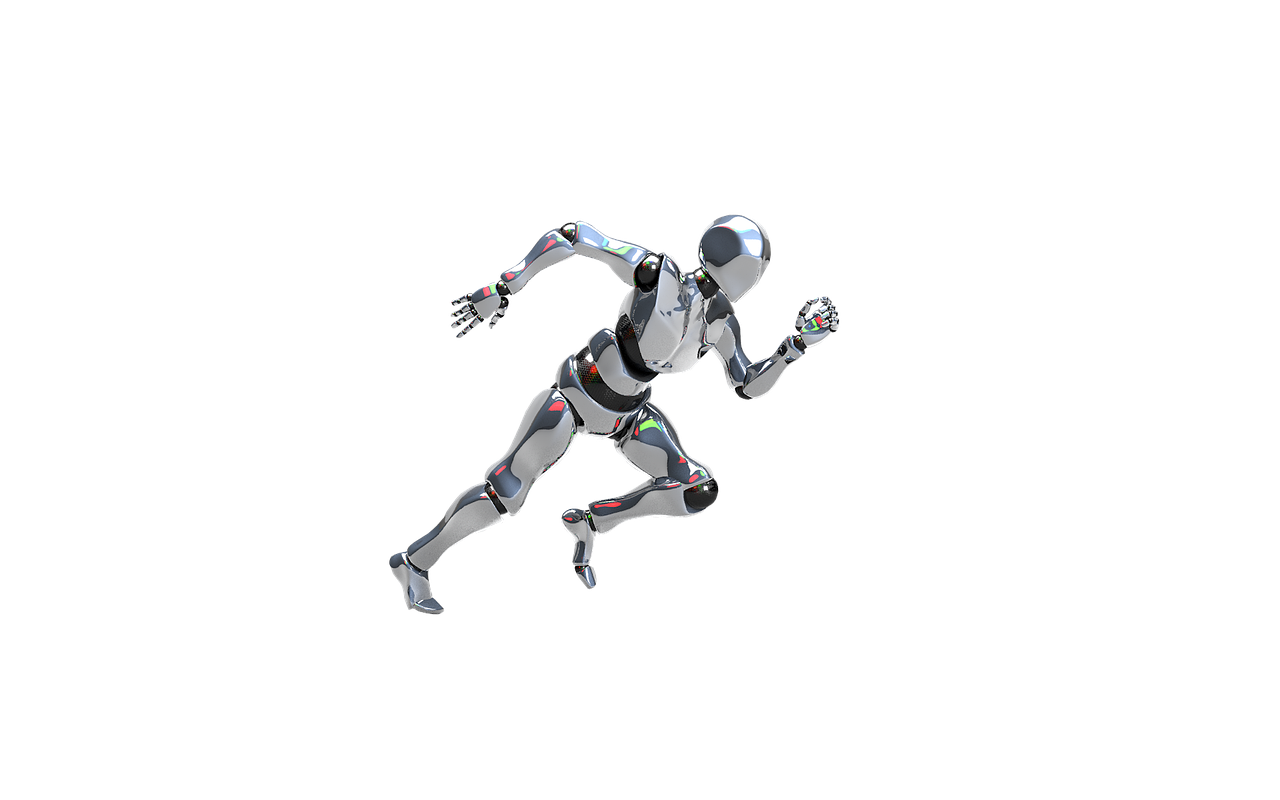
Image by Janson_G on Pixabay
SHARE

Contents
1. Automation of Routine Tasks2. Augmentation of Human Capabilities3. Creation of New Jobs and Industries4. Redistribution of WorkFor IndividualsFor OrganizationsFor Policymakers

Artificial intelligence is not only a new set of tools — it is a force reshaping what work looks like, who performs it, and what skills matter most.

Overview
How AI Changes Work
Sectors Affected
Preparing for Change

Overview

Artificial intelligence (AI) refers to computer systems that perform tasks that typically require human intelligence: recognizing patterns, making decisions, understanding language, and learning from data. As these systems become more capable and more widely available, they will change jobs in multiple ways — automating repetitive tasks, augmenting human decision-making, creating new occupations, and requiring new approaches to training and governance.

How AI Changes Work: Four Key Mechanisms

1. Automation of Routine Tasks

AI can take over repetitive, predictable tasks—data entry, simple document review, basic image classification, and routine customer inquiries. When these tasks are automated, roles that emphasize repetitive execution shrink or change focus toward oversight and exception handling.

2. Augmentation of Human Capabilities

AI often amplifies what people can do rather than replacing them outright. Examples include diagnostic tools that help doctors find conditions earlier, design systems that speed up engineers’ iteration cycles, and analytics that help managers make better-informed decisions. Augmentation typically raises productivity and shifts workers toward higher-level judgment, creativity, or interpersonal responsibilities.

3. Creation of New Jobs and Industries

As AI spreads, entirely new roles emerge: AI trainers, data curators, algorithmic auditors, and specialists who integrate AI into industry workflows. New product categories and business models also create demand for roles that do not yet exist.

4. Redistribution of Work

AI can change where and how work is done. It enables remote monitoring, automates back-office tasks, and permits smaller teams to accomplish more. These shifts affect labor demand geographically and across organizational structures.

What Jobs Are Most Affected?

Impact depends less on job titles and more on the mix of tasks within a job. Roles dominated by routine, low-context tasks are more susceptible to automation. Jobs requiring advanced social skills, creativity, complex problem-solving, and fine motor skills are more resilient and likely to be augmented rather than replaced.

  • Higher exposure: data entry clerks, routine accounting tasks, some customer service roles, and basic quality inspection.
  • Moderate exposure: paralegals, medical imaging technicians, marketing analysts—tasks that can be assisted by AI but still require human oversight.
  • Lower exposure: caregivers, roles requiring complex negotiations, creative professionals, and jobs with unpredictable physical environments.

Sectors Where Change Will Be Most Visible

  • Healthcare: AI supports diagnostics, personalized treatment plans, and administrative automation—changing clinician workflows and increasing demand for data-literate medical staff.
  • Finance: Algorithmic trading, risk modeling, fraud detection, and automated advisory services will evolve job functions in banking and insurance.
  • Manufacturing: Intelligent automation and predictive maintenance shift human roles toward system design, oversight, and higher-skilled assembly tasks.
  • Transport and Logistics: Route optimization and autonomous vehicles will change driving and warehousing jobs, emphasizing fleet management and exception resolution.
  • Professional Services: Legal, marketing, and consulting work will integrate AI tools for research, drafting, and analysis—freeing humans for strategy and client relations.

How Individuals, Organizations, and Governments Can Prepare

For Individuals

  • Focus on transferable skills: critical thinking, creativity, communication, and problem-solving.
  • Develop technology literacy: basic data skills, familiarity with AI tools relevant to your field, and lifelong learning habits.
  • Embrace roles that involve supervision, interpretation, and human-centered skills that are hard to automate.

For Organizations

  • Invest in reskilling and upskilling programs to help employees transition to higher-value roles.
  • Redesign jobs to combine human strengths with AI strengths, focusing on human judgement and ethical oversight.
  • Adopt responsible deployment practices: transparency, bias mitigation, and clear accountability.

For Policymakers

  • Support education systems that teach adaptable skills and support adult retraining programs.
  • Design social safety nets and labor policies that accommodate career transitions and encourage innovation.
  • Encourage standards and regulations that ensure AI systems are safe, fair, and transparent.

Ethical and Social Considerations

AI-driven change raises questions about fairness, privacy, and distribution of benefits. Without deliberate policy choices, the gains from productivity increases could be concentrated among a few, amplifying inequality. Ensuring equitable access to training, preventing biased systems from locking in discrimination, and creating mechanisms for worker voice and participation are critical.

Conclusion

AI will not uniformly destroy or create jobs; it will transform the nature of work. Some tasks and roles will disappear, others will be augmented, and new ones will appear. The net outcome will depend on choices made by businesses, educators, and governments. Preparing workers with adaptable skills, investing in reskilling, and governing AI responsibly will make the transition more inclusive and beneficial for society.


Takeaway: Treat AI as a tool that changes work patterns—one that can expand human capability if we plan for training, ethical deployment, and inclusive policies.

Written to inform workers, managers, and policymakers about the likely effects of AI on jobs and practical steps to prepare. For further reading, consult academic research, industry reports, and local workforce development resources.

Sign Up For Daily Newsletter

Be keep up! Get the latest breaking news delivered straight to your inbox.
[mc4wp_form]
By signing up, you agree to our Terms of Use and acknowledge the data practices in our Privacy Policy. You may unsubscribe at any time.
Share this Article
Facebook Twitter Copy Link Print
Previous Article What Is Cryptocurrency and How Does It Work for Beginners What Is Cryptocurrency and How Does It Work for Beginners
Next Article Qalibaf and Araqchi in Doha Explore Tehran Washington Deal
Leave a comment Leave a comment

Leave a Reply Cancel reply

Your email address will not be published. Required fields are marked *

Stay Connected

235.3k Followers Like
69.1k Followers Follow
56.4k Followers Follow
136k Subscribers Subscribe
- Advertisement -
Ad imageAd image

Latest News

101.7K Surgeries in Ministry of Health Hospitals Last Year
Oman July 27, 2026
Hamad bin Khalifa and Al Jazeera Shaping Qatar’s Media Landscape
Qatar July 27, 2026
Maldives President Welcomes Saudi Prince Mansour bin Mutaib
Saudi Arabia July 26, 2026
Asian National Deported for Running Unlicensed Overseas Money Transfer Network
UAE July 26, 2026

You Might also Like

Why Luxury Tourism Is Growing Fast in Saudi Arabia
Opinion

Why Luxury Tourism Is Growing Fast in Saudi Arabia

July 26, 2026
Why Work Life Balance Is More Important Than Salary
Opinion

Why Work Life Balance Is More Important Than Salary

July 24, 2026
Why Sustainable Living Is Gaining Popularity in GCC Countries
Opinion

Why Sustainable Living Is Gaining Popularity in GCC Countries

July 22, 2026
Why Financial Literacy Should Be Taught in Schools
Opinion

Why Financial Literacy Should Be Taught in Schools

July 20, 2026
Why Artificial Intelligence Could Create More Jobs Than It Replaces
Opinion

Why Artificial Intelligence Could Create More Jobs Than It Replaces

July 18, 2026
Why More Gulf Residents Are Choosing Online Learning
Opinion

Why More Gulf Residents Are Choosing Online Learning

July 16, 2026
Why the Cost of Living Is Rising Across Major Gulf Cities
Opinion

Why the Cost of Living Is Rising Across Major Gulf Cities

July 14, 2026
Why Healthy Living Is Becoming a Major Trend in Gulf Countries
Opinion

Why Healthy Living Is Becoming a Major Trend in Gulf Countries

July 12, 2026
//

GulfPress is a modern Gulf media platform delivering trusted news, business insights, technology updates, real estate trends, travel stories, explainers, and rankings from across the GCC and the Middle East.

Quick Link

  • About Us
  • Editorial Policy
  • Corrections Policy
  • Advertise with us
  • Contact Us
  • Privacy Policy
  • Terms of use

How Topics

  • Gulf News
  • Business
  • Lifestyle

Sign Up for Our Newsletter

Subscribe to our newsletter to get our latest news instantly!

[mc4wp_form]

Gulf PressGulf Press
Follow US

© 2023 Gulf Press. All Rights Reserved.

Join Us!

Subscribe to our newsletter and never miss our latest news, podcasts etc..

[mc4wp_form]
Zero spam, Unsubscribe at any time.

Removed from reading list

Undo
Welcome Back!

Sign in to your account

Lost your password?