




Government media faces eight challenges, committee report finds
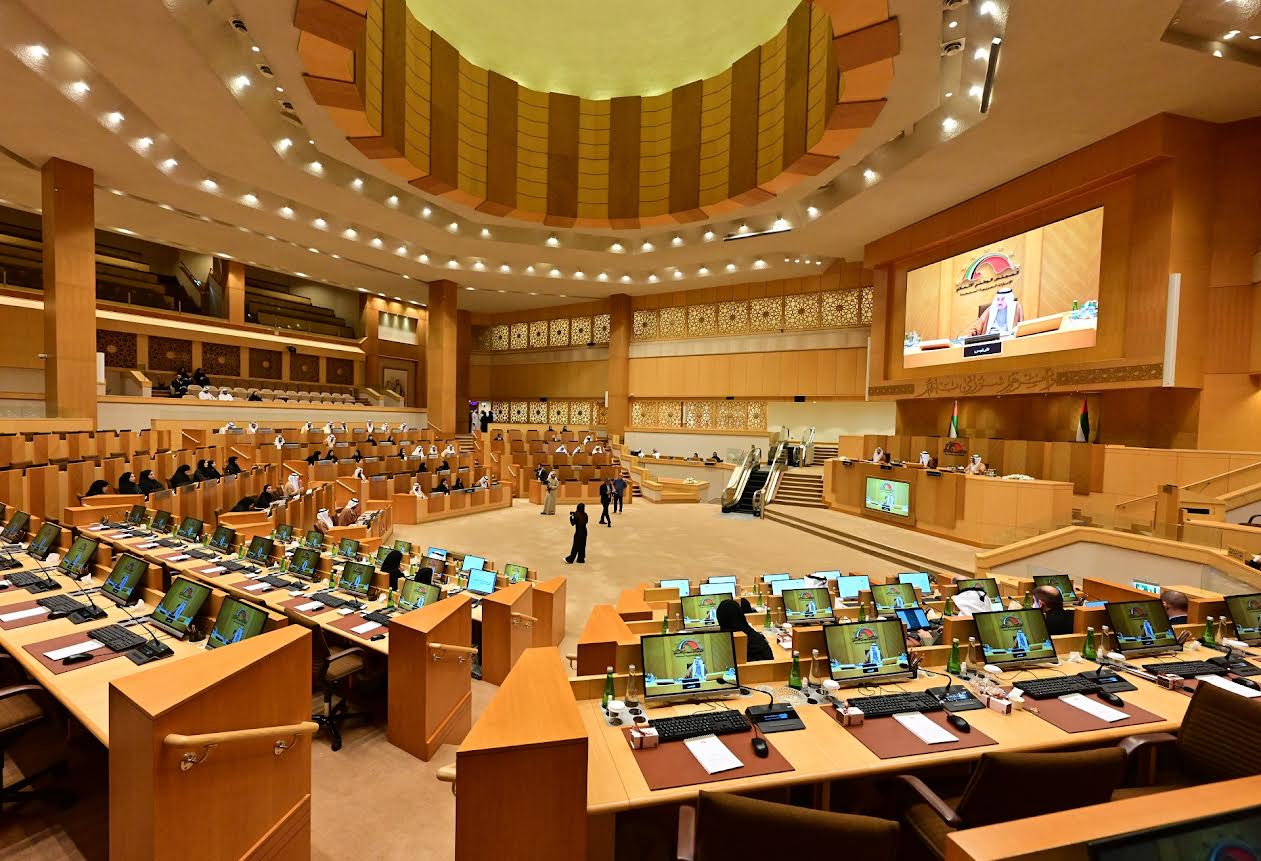
The parliamentary Committee on Education, Culture, Youth, Sports and Media released a report that identifies eight key challenges facing government media in the UAE and sets out 11 recommendations to strengthen official communication and national identity. The report, compiled after meetings with the Emirates News Agency (WAM), the National Media Office, the Emirates Media Council and leading national practitioners, was presented to lawmakers this month in Abu Dhabi.
According to the committee, the review aimed to assess how government media can better “root content and consolidate national identity” amid a rapidly changing media landscape. Officials and participants described gaps in coordination, capacity and regulatory clarity that constrain the state’s ability to project coherent messages domestically and abroad.
Government media: identified weaknesses and operational gaps
The report outlines overlapping mandates and duplication among entities responsible for official communication, which has blurred roles and lowered sector efficiency. However, the committee noted that the National Media Office—established by federal decision and subsequent decree-law—has not yet fully exercised some of its statutory functions, a lag attributed to implementation delays and organizational capacity needs.
Furthermore, the committee found that state media influence diminished over recent decades as commercial priorities reshaped content production. In contrast, the report argues, government media should prioritize public-interest messaging and the promotion of national identity over purely promotional or profit-driven aims.
Other specific issues highlighted include limited engagement by government media during major or emergency events, weak international coverage of initiatives that form the country’s soft power, insufficient inspection and oversight of individuals and outlets operating in the sector, and a shortfall in national talent occupying senior editorial and supervisory roles.
Additionally, the committee pointed to a shortage of specialized national professionals in content creation, journalism, production and technical disciplines, which undermines the quality and consistency of official output. These constraints, the report indicates, reduce the effectiveness of the state’s communications at home and abroad.
Eleven recommendations to reform state media and bolster national identity
To address the issues, the committee proposed 11 recommendations focused on clarifying responsibilities, strengthening institutions and building human capital. Chief among them is reorganizing mandates across media entities to separate and define roles clearly while designating a single federal reference authority to unify media policy and editorial direction.
Therefore, the report recommends activating the National Media Office so it can exercise its full remit, supported by staff increases and logistical resources. It also calls for a reinforced role for the Emirates Media Council to coordinate national and local media strategies that align with the state’s messaging objectives and the promotion of national identity.
Other proposals include forming an advisory committee of identity specialists and senior media professionals to establish content standards and governance norms. Furthermore, the committee urged formalizing the role of the Federal Government Media Office to support ministries and federal bodies in organizing briefings and communications during crises.
Recommendations also emphasize empowering official spokespeople, implementing a national media strategy to rehabilitate and train official journalists, and engaging productive social media influencers in capacity-building initiatives. The report suggests enhancing international partnerships with global media organizations to better promote the country’s achievements abroad and expand its soft power reach.
Regulation, localization and capacity building
The committee recommended tightening oversight of media actors, including those operating in free zones, in line with provisions cited from the federal decree-law that regulates media activities. This measure aims to ensure consistent standards across all jurisdictions and reduce regulatory loopholes.
Moreover, the report advocates for localization of leadership and supervisory positions across public and private media outlets and for the development of second- and third-tier leadership pipelines. It recommends leveraging veteran national media professionals as advisors and trainers, and involving them in panels, workshops and international forums to transmit institutional knowledge.
To sustain long-term capability, the committee called for partnerships with universities and media schools to align curricula with modern professional requirements. Additionally, it urged recruiting and training students with demonstrated skills and matching academic programs to industry needs to close the talent gap in production, presentation and technical roles.
Implications for media policy and next steps
Implementing these measures would alter the country’s media governance and media policy, shifting emphasis toward coordinated federal messaging and enhanced oversight. The report suggests that a unified approach could restore the public-service role of state media while preserving operational independence where appropriate.
Practical next steps outlined by the committee include formalizing the advisory committee, accelerating staffing and capability upgrades at the National Media Office, and preparing a timeline for establishing a federal media platform or television channel to serve as an authoritative source for official news. The report also recommends legislative and administrative follow-up to ensure compliance with regulatory provisions.
Officials said the timeline for implementation will depend on interagency agreement and resource allocation, and the committee indicated it will monitor progress through further reviews and meetings with key stakeholders.
Conclusion: what to watch next
The committee’s report maps a clear pathway for reforming government media, emphasizing coordination, capacity building and regulatory clarity to better anchor national identity in official content. Observers should watch for formal decisions on the National Media Office’s expanded role, the formation of the advisory committee and any announcements about a federal media platform within the coming months.
Ultimately, the degree to which these recommendations are enacted will determine whether government media can regain a central role in shaping public discourse and representing the country’s priorities abroad, the report indicates.