





Saudi Arabia’s Vision 2030 is an ambitious program of economic and social reforms. Its success (or failure) will have profound implications across the Gulf Cooperation Council (GCC). This article explains the channels through which Vision 2030 could reshape regional trade, investment, labor markets and the future of energy.
What is Vision 2030?
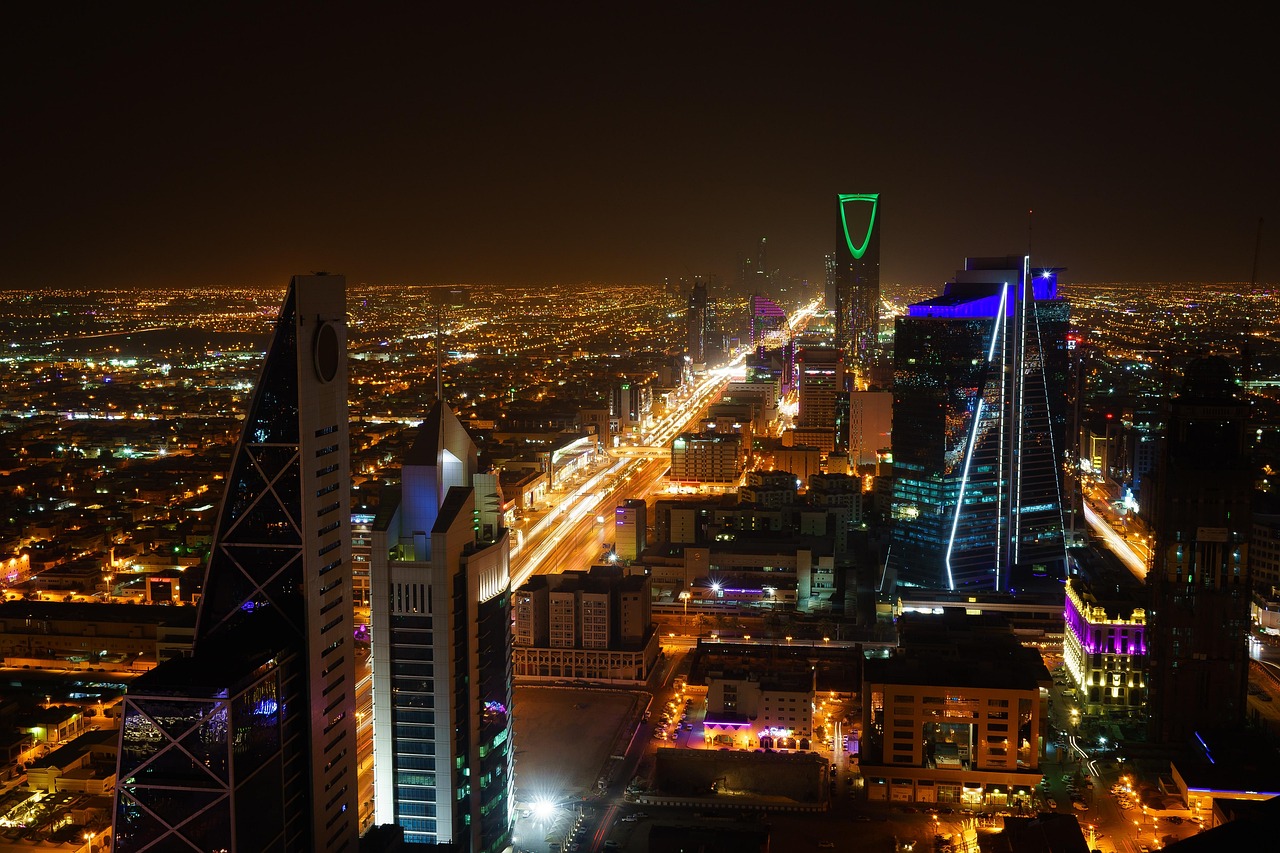
Launched in 2016, Vision 2030 is Saudi Arabia’s long-term blueprint to reduce dependence on oil, diversify government revenue, develop public service sectors (health, education, infrastructure, recreation), and open the economy to private and foreign investment. Key elements include fiscal reforms, state-owned enterprise restructuring, a more active sovereign wealth posture via the Public Investment Fund (PIF), investment in new cities and tourism projects (e.g., NEOM, Red Sea), and social changes that increase female labor force participation and domestic consumption.
Core pillars driving regional impact
- Economic diversification: moving from oil rents to manufacturing, tourism, logistics, and knowledge services.
- Fiscal and regulatory reform: privatizations, partial listings, easing foreign ownership rules, and tax adjustments to stabilize government finances.
- Active investment strategy: the PIF invests domestically and globally to build industrial champions and infrastructure.
- Human capital and social reform: education reforms, women’s employment, and a pivot toward technology and entrepreneurship.
- Strategic infrastructure: airports, ports, rail, and digital connectivity to turn Saudi Arabia into a regional hub.
How Vision 2030 could transform the Gulf economy
1. Shifting investment flows and capital markets
The PIF’s large, outward-looking investments and the opening of Saudi capital markets can redirect regional and global capital flows. Greater liquidity and deeper financial markets in Riyadh may spur competition among GCC financial centers, encourage cross-border listings, and foster regional capital allocation that prioritizes industrialization and infrastructure rather than only hydrocarbons.
2. Diversifying trade and value chains
By building manufacturing, petrochemicals downstream capacity, and logistics infrastructure, Saudi Arabia can create new intra-GCC supply chains. Regional firms may integrate more closely in areas like plastics, fertilizers, food processing, and renewable-energy equipment manufacturing—reducing import dependency and creating shared export hubs to Europe, Asia and Africa.
3. Energy transition leadership
Vision 2030’s focus on renewables and green hydrogen has regional spillovers. Investment in solar and wind capacity, alongside plans for green hydrogen exports, could reconfigure the Gulf’s role in global energy markets—from solely fossil-fuel exporters to energy carriers and clean-energy technology producers and exporters.
4. Labor market and demographic effects
Increasing Saudi private-sector employment for nationals, expanding female workforce participation, and boosting skill development could reduce the region’s reliance on expatriate labor over the long term. That would alter remittance flows, wage dynamics, and labor supply across neighboring GCC countries—pushing employers to invest more in automation and skills-based recruitment.
5. Tourism, culture and services expansion
Massive hospitality, leisure and religious-tourism investments will attract regional and international visitors. Growth in tourism complements air travel, hospitality, retail and services across the Gulf, creating opportunities for shared marketing, multi-destination packages, and cross-border hospitality investment.
6. Geopolitical and regulatory influence
Economic weight gives Saudi Arabia greater influence in regional policy coordination. Riyadh could spearhead harmonized regulations on trade, labor mobility, energy grids, and investment standards—potentially deepening GCC integration and making the bloc more competitive globally.
Opportunities for Gulf neighbors
- Partnering on large-scale infrastructure and industrial projects that require regional inputs and labor.
- Attracting spillover foreign direct investment that prefers satellite production sites across the GCC.
- Specializing in complementary industries—finance in Dubai, high-tech services in Qatar, logistics hubs in Oman—creating a diversified regional economy.
- Negotiating coordinated policies to manage labor transitions, energy exports and cross-border mobility.
Risks and constraints
Vision 2030’s transformational potential is not guaranteed. Key risks include:
- Implementation challenges and bureaucratic inertia.
- Heavy upfront capital needs and persistent oil-price volatility that can strain public finances.
- Social and political constraints that could slow reforms or limit foreign participation.
- Regional geopolitical tensions that disrupt investment or trade corridors.
- Global competition for talent and capital—other GCC states may also accelerate reforms, changing comparative advantages.
Policy recommendations for maximizing regional benefits
- Coordinate GCC economic strategies to avoid destructive competition and to build complementary value chains.
- Harmonize regulatory frameworks—investment, labor mobility, data flows—to lower transaction costs and attract regional investors.
- Invest in cross-border infrastructure (rail, ports, digital) that links specialized production centers.
- Promote regional education and vocational initiatives aligned with new industries to manage workforce transitions smoothly.
- Develop regional risk-sharing mechanisms to buffer oil-revenue shocks during the transformation period.
Conclusion
Saudi Arabia’s Vision 2030 is among the most consequential economic reform agendas in the region. If implemented effectively, it could catalyze a wider Gulf transformation—diversifying trade and investment, accelerating the energy transition, and reshaping labor markets. The net regional outcome will depend on implementation choices, the ability of Gulf states to coordinate policy responses, and how global markets evolve. For Gulf economies, the plan is both an opportunity to integrate and specialize, and a challenge to adapt to a rapidly changing economic landscape.