






Qatar denies offering $12 billion
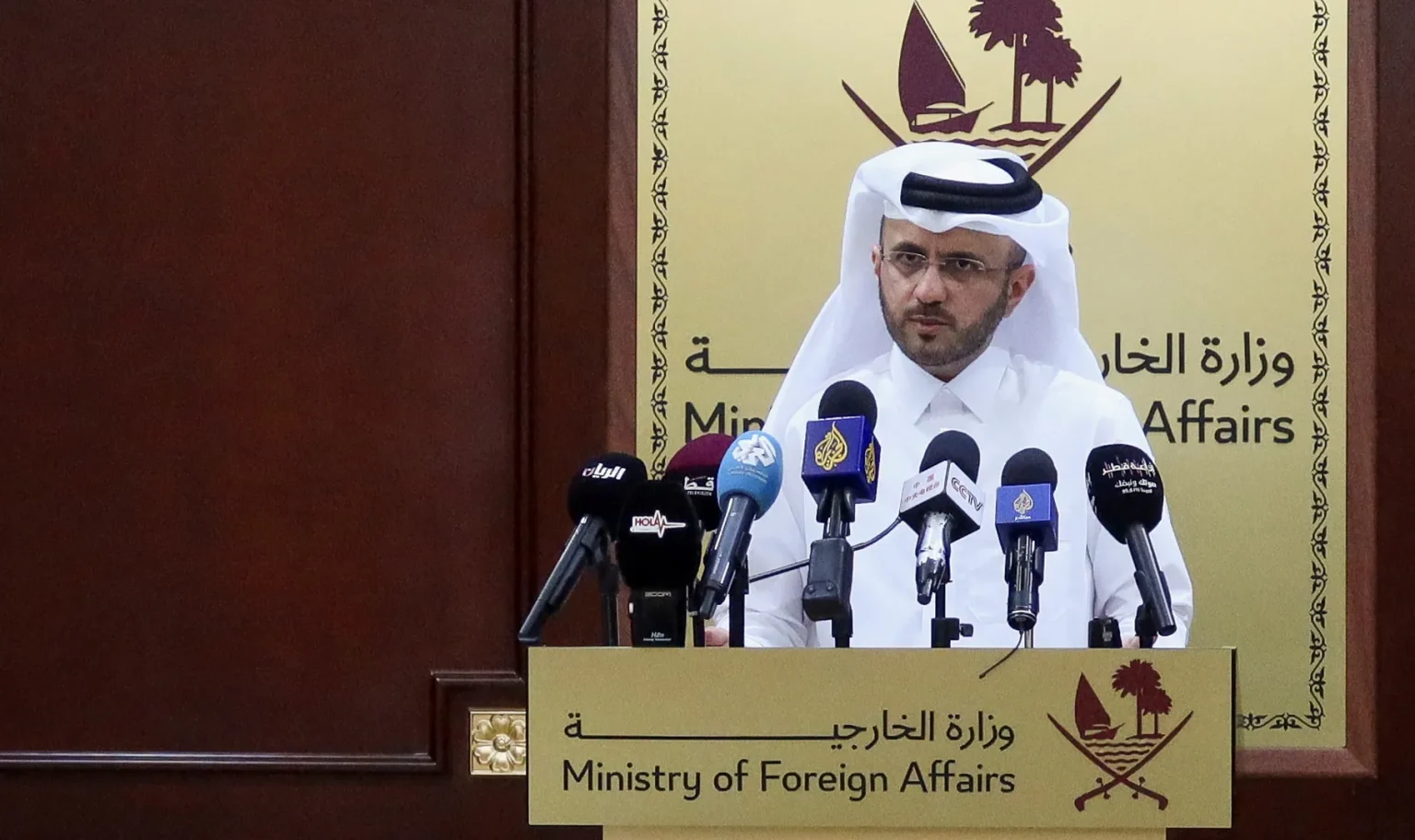
Qatar denied on Tuesday that it offered Iran $12 billion to secure a deal with the United States, the Qatari Foreign Ministry said in a statement and in a post on X by ministry spokesman Majid Al-Ansari. The ministry described the reports as false and said they aim to undermine ongoing diplomacy and Qatar’s reputation as a mediator.
Officials added that Doha’s diplomatic efforts are coordinated with regional partners and meant to reduce escalation and increase stability. The denial came amid intensified shuttle diplomacy in the Gulf as mediators seek to resolve outstanding issues between Tehran and Washington.
Context of the report and recent diplomatic activity
The report first circulated after a delegation of senior Iranian officials, including chief negotiator Mohammad Bagher Ghalibaf and Deputy Foreign Minister Abbas Araghchi, visited Doha on Monday, according to Iranian state media and regional reporting. The delegation reportedly included Central Bank Governor Abdolnaser Hemmati, which prompted speculation about talks over frozen Iranian assets.
According to AFP and regional correspondents, the visit was part of a broader mediation track involving Pakistan and Qatar that aims to halt the conflict that began in late February. Meanwhile, Qatari authorities insisted that any discussions in Doha are aimed at resolving technical and political obstacles, not buying an agreement with a monetary offer.
Frozen Iranian funds and negotiation mechanics
One central issue in the talks is the status of frozen Iranian funds held abroad, often referred to in reporting as frozen Iranian funds. International and regional sources indicate that access to those assets is a sensitive point for both Washington and Tehran, with disagreements over the amount, conditions and timing of any release.
Officials and analysts say resolving frozen Iranian funds requires complex legal and financial arrangements, including guarantees that funds will not be diverted to prohibited programs. Therefore, mediation in Doha has focused on technical channels, escrow mechanisms and escrow-like solutions rather than unilateral cash transfers, sources said.
Why the claim matters for US-Iran talks
Allegations that Qatar offered a large cash payment risk complicating US-Iran talks by injecting mistrust into mediation in Doha and the wider negotiating environment. US officials have not publicly confirmed the offer described in some reports, and Washington has emphasized sanctions, verification and non-proliferation criteria as negotiation priorities.
Furthermore, the disputed claim could be used by actors opposed to de-escalation to discredit mediators or harden domestic positions in Tehran and Washington. Analysts caution that misinformation or misinterpretation of financial arrangements can stall progress in sensitive diplomatic channels.
Responses from regional and international actors
Qatar’s foreign ministry framed the allegations as deliberate attempts to undermine diplomatic progress, saying such narratives are “desperate” efforts to damage Doha’s standing as a peace broker, according to the ministry statement and the spokesman’s post on X. Iran’s public comments focused on the substance of talks and did not confirm the monetary figure cited in some media.
Regional observers noted that mediators often seek phased and verifiable measures around frozen assets, sanctions relief and confidence-building steps. Therefore, attention has shifted to the substance of the memorandum of understanding reportedly under discussion and to the technical teams that would implement any agreed steps.
Implications for regional stability and mediation in Doha
The episode underscores the fragile nature of mediation in Doha and the broader regional effort to prevent wider conflict. Mediation in Doha has been credited by several parties for keeping channels open, but it also operates under intense scrutiny and competing narratives that can derail progress.
Experts warn that public circulation of contested claims can reduce the political space for negotiators to make pragmatic compromises. Therefore, diplomats are likely to emphasize confidentiality and phased implementation, while watchdogs and journalists will monitor whether reports about frozen Iranian funds and payments are substantiated.
What to watch next
Observers should watch for follow-up statements from the Qatari foreign ministry, Tehran and Washington, as well as any joint technical meetings to address frozen Iranian funds. Officials have indicated that further contacts between Iranian and U.S. delegations are possible to resolve outstanding financial and verification issues, though no firm schedule has been announced.
In the short term, expect cautious diplomatic moves: technical clarifications on frozen assets, potential third-party escrow proposals and continued use of back-channel talks. Longer term, the outcome will depend on whether mediators can translate tentative understandings into concrete, verifiable steps that address the core U.S.-Iran concerns.
Conclusion and next steps
Qatar’s categorical denial that it offered Iran $12 billion aims to defuse a narrative seen by Doha as harmful to mediation efforts. For now, the central negotiation topics remain frozen Iranian funds, verification mechanisms and sequencing of measures in US-Iran talks.
Readers should watch for official communiqués from Doha, Tehran and Washington in the coming days and any announcement of technical meetings. Those developments will signal whether the mediation track can move from discussion to implementation or if further diplomatic obstacles will emerge.