






National Guard visit underscores commitment to security
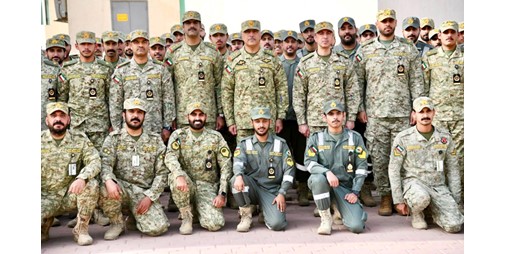
Major General Hamad Al-Burjas, deputy commander of the National Guard, conducted a recent National Guard visit to sites guarded by the Guard’s Wajib units, the service said in a press release. During the visit, he met with personnel securing those responsibility sites and conveyed the leadership’s greetings on the occasion of Eid al-Adha.
The visit took place recently at multiple locations identified as critical to national stability, according to the National Guard statement. Officials said the tour combined operational checks with morale-building interactions, and it reinforced the Guard’s role in safeguarding vital infrastructure.
Details of the visit and Eid al-Adha greetings
According to the National Guard’s statement, the deputy commander exchanged Eid al-Adha greetings with troops and thanked them for their continued service, emphasizing appreciation from the top command. The outreach was framed as both a ceremonial gesture and a practical opportunity to review conditions at the responsibility sites.
Furthermore, the visit included direct discussions with unit leaders about daily routines, logistical needs and readiness measures. The statement indicated that the deputy commander transmitted the leadership’s personal regards and acknowledged the service of security forces who remain on duty during national holidays.
Operational emphasis: vigilance and adherence to duty
During the National Guard visit, Major General Al-Burjas underscored the importance of sustained vigilance and strict adherence to operational instructions, the press release said. He reiterated that maintaining constant readiness is essential to preserving public safety and national stability, particularly at sites deemed critical.
In addition, the deputy commander highlighted procedural compliance, patrol discipline and communication protocols as key focus areas. Officials noted that such visits are intended to reinforce expectations and to ensure that security forces can respond effectively to evolving threats.
Background on Wajib forces
Wajib units are tasked with securing designated responsibility sites, and their activities typically include access control, surveillance coordination and emergency response support. According to military sources, these units operate in close coordination with other security agencies to protect infrastructure and public facilities.
Meanwhile, the National Guard has periodically carried out inspections and visits to assess operational readiness and to address any logistical or welfare concerns among personnel. The recent National Guard visit fits within this pattern of oversight and support.
Implications for readiness and morale
The deputy commander’s tour is likely to have direct effects on both morale and operational consistency, according to analysts who study uniformed services’ leadership practices. Recognition from senior leaders during important national and religious observances such as Eid al-Adha tends to strengthen cohesion and commitment.
Furthermore, the reaffirmation of standards during the National Guard visit signals sustained attention to force preparedness at a time when maintaining secure public infrastructure is a stated priority. Therefore, the visit may prompt follow-up assessments and targeted support to units with identified needs.
Coordination and next steps
Officials said the National Guard will continue routine oversight of responsibility sites and will monitor implementation of any recommendations arising from recent inspections. The statement suggested that command-level engagement with field units will remain ongoing to ensure continuity of security measures.
Observers should watch for subsequent briefings or official reports that outline any procedural updates or resource allocations prompted by the visit. Additionally, coordination between the National Guard and other security agencies may be emphasized in forthcoming operational planning.
Context and regional security considerations
While the press release focused on the visit and the Eid al-Adha exchange, background context points to broader priorities in homeland protection and infrastructure security across the region. National Guard officials have, in recent months, reiterated the need to adapt to shifting security environments and to maintain constant vigilance.
Accordingly, the National Guard visit can be read as part of a wider pattern of leadership engagement aimed at sustaining operational standards and public confidence. Analysts note that visible command support during holidays helps ensure that security forces remain alert and properly equipped.
Conclusion and what to watch next
In conclusion, the National Guard visit by Major General Hamad Al-Burjas combined ceremonial recognition with operational oversight, reinforcing messages of vigilance and duty to the country’s security forces. The National Guard said the leadership values the efforts of personnel stationed at critical sites and will continue oversight activities.
Looking ahead, readers should monitor official National Guard communications for follow-up details on any measures adopted after the visit and for announcements about additional inspections or resource support. Therefore, forthcoming statements and operational updates will indicate how the Guard translates the visit’s priorities into concrete actions.