





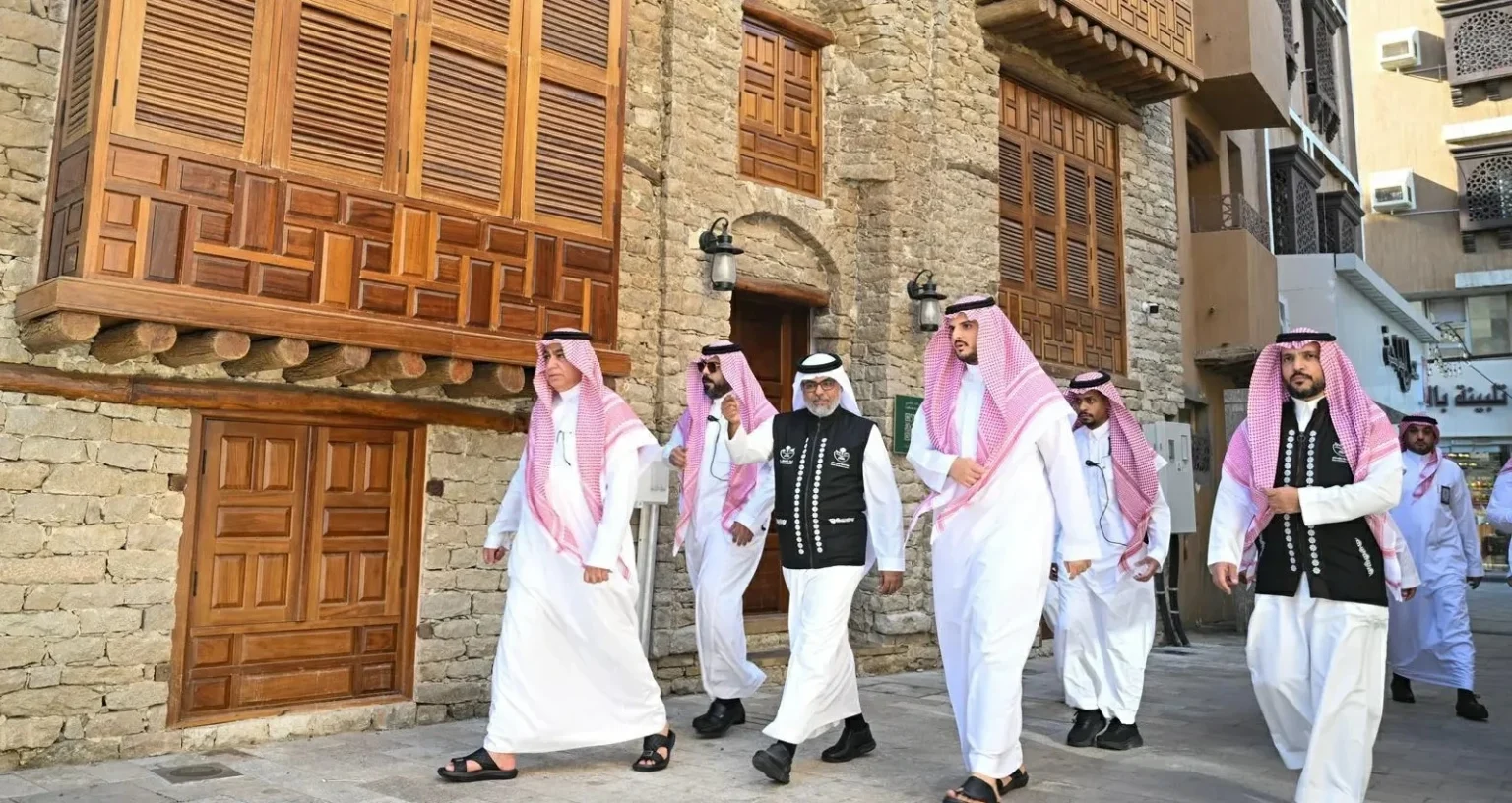

محافظ الطائف يقف على المنطقة التاريخية
The Taif governor carried out an on-site review of a protected area reported four hours ago, with officials saying the visit focused on preservation needs and safety measures. محافظ الطائف يقف على المنطقة التاريخية was confirmed by the governorate’s communications as part of ongoing oversight of heritage sites in the city. The inspection took place in the central historic quarter near known landmarks, local outlets reported.
Authorities said the visit included municipal engineers, heritage experts and security personnel to assess immediate risks and long-term conservation priorities. Meanwhile, residents were informed through local channels and municipal notices, according to a governorate statement. The early assessment aims to prioritize interventions while detailed surveys are scheduled.
Context of the visit and what it covered
The governor’s visit targeted structural conditions, public access, and conservation needs within the historic district. Taif governorate officials said they reviewed buildings, alleyways and public spaces to identify hazards and preservation opportunities. Furthermore, experts began documenting areas that require urgent stabilisation and those suitable for phased restoration.
Officials described the visit as part of a wider initiative to balance heritage preservation with urban development and tourism. The assessment included an initial mapping of priority sites, discussions about immediate safety measures, and preliminary estimates for technical surveys. According to the governorate, further studies will refine those estimates and outline next steps.
Inspection findings and conservation priorities
Preliminary findings highlighted a mix of urgent repairs and longer-term conservation needs, officials said. Roof and façade deterioration, unstable masonry, and encroachment issues were among the primary concerns noted during the governor’s review. Therefore, the immediate focus will be on securing at-risk structures and improving pedestrian safety within the historic area.
Conservation priorities will also address environmental factors, such as drainage and material degradation, that affect heritage fabric over time. Heritage preservation experts accompanying the governor recommended phased interventions to limit disruption and preserve original features. The report indicates that a detailed conservation plan is expected after technical surveys conclude.
Local response and stakeholder engagement
Community leaders and business owners were present or notified about the governor’s visit, and several expressed cautious optimism about coordinated preservation efforts. Taif municipality representatives said they will convene stakeholder meetings to discuss access, livelihoods and restoration scheduling. Additionally, heritage NGOs and local historians were invited to contribute documentation and contextual knowledge, officials stated.
Public engagement is expected to include consultations on traffic management, vendor displacement prevention, and signage to improve visitor orientation. Meanwhile, the governorate plans to publish an outline of proposed measures for public review before finalising the conservation plan. This approach aims to build consensus while adhering to technical conservation standards.
Implications for tourism and urban planning
The governor’s inspection signals an intention to integrate heritage management into broader urban planning for Taif, with potential benefits for sustainable tourism. Preservation work could enhance the historic district’s appeal while protecting cultural assets, tourism officials suggested. However, planners will need to balance infrastructure upgrades with the preservation of the area’s historic character.
Upgrades to public amenities, lighting and wayfinding are likely to accompany restoration works to support visitors and local commerce. Furthermore, improved management of the site may attract cultural programming and guided tours, which could provide economic opportunities for residents. The governorate indicated that any tourism-related initiatives will follow conservation best practices and community input.
Funding, legal framework and timelines
Officials say funding and legal mechanisms will be evaluated as part of the next planning stage, with potential contributions from municipal, regional and national heritage bodies. The process will include an assessment of applicable protection laws, permitting requirements, and available grants or partnerships. Therefore, a detailed financing and procurement timeline is expected once technical reports are complete.
According to available information, immediate securing works may begin within weeks if emergency needs are confirmed, while comprehensive restoration phases could extend over months to years. The governorate has emphasised adherence to conservation standards and transparent tendering procedures for contractors and consultants.
Next steps and what to watch
The governorate will publish further details following technical surveys and stakeholder consultations, officials said, and observers should watch for a formal conservation plan and timeline. محافظ الطائف يقف على المنطقة التاريخية is likely to be referenced in upcoming municipal briefings and planning documents as authorities finalize priorities. Furthermore, announcements are expected regarding funding allocations and procurement milestones.
In the coming weeks, residents and interested parties should look for public meetings, draft plans for comment, and releases from the municipal or governorate offices. Meanwhile, the ministry of culture or relevant heritage authorities may issue guidance or support, according to standard practice for protected sites.
Conclusion: outlook for the historic district
The governor’s inspection represents an initial, coordinated effort to address immediate risks and prepare for longer-term conservation in Taif’s historic area. محافظ الطائف يقف على المنطقة التاريخية has set in motion technical surveys, stakeholder engagement and planning steps designed to balance preservation with public access and economic activity. Readers should watch for the forthcoming conservation plan, scheduled technical reports, and announcements on funding and project timelines as the next indicators of progress.