





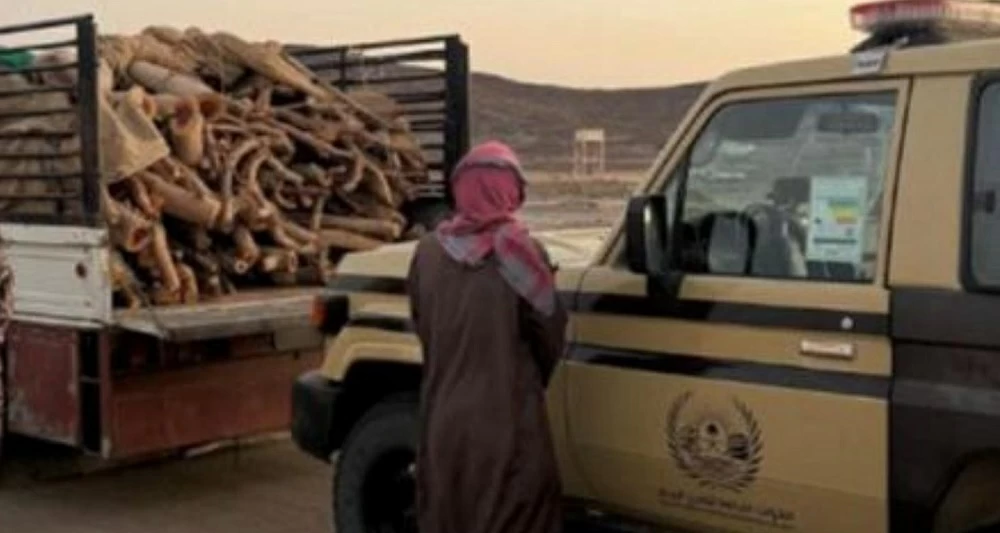

Environmental Security Special Forces in Saudi Arabia recently apprehended a citizen for illegal firewood transport after discovering five cubic meters of locally sourced firewood in the Prince Mohammed bin Salman Royal Reserve, officials said. The seizure and subsequent administrative measures were carried out on site, and the confiscated wood was transferred to the competent authority, the forces stated.
The arrest occurred recently within the protected boundaries of the royal reserve, according to an official statement. The forces confirmed that the individual violated national environmental regulations by transporting the timber without authorization, prompting a formal enforcement response and handover of the materials to the relevant agency for further processing.
Illegal Firewood Transport: Incident Details
Authorities said the quantity involved was five cubic meters of locally sourced firewood, found within the Prince Mohammed bin Salman Royal Reserve. Environmental Security Special Forces detained the person involved and applied the prescribed administrative procedures, then gave the confiscated wood to the competent authority for custody and further action.
Meanwhile, officials emphasized that the reserve is under active protection and that patrols and monitoring activities are ongoing. The report indicates that the enforcement action followed standard protocols for suspected violations of conservation rules in designated protected areas.
Enforcement, Penalties and Legal Framework
According to the forces, penalties for transporting local firewood and charcoal can reach up to 16,000 Saudi riyals per cubic meter. The fines, as described by officials, are part of the broader regulatory framework intended to deter unauthorized removal of natural resources and safeguard protected lands.
Furthermore, the Environmental Security Special Forces urged the public to report any incidents that threaten the environment or wildlife. The announced emergency reporting channels include 911 in the regions of Makkah, Madinah, Riyadh and the Eastern Province, and 999 and 996 for the remaining regions of the Kingdom, officials said. Reports will be handled confidentially, and the authorities stressed that no liability attaches to the informer.
Why Enforcement Matters for Environmental Protection
Protecting reserves and enforcing rules on illegal wood transport are central to environmental protection goals, experts say. Unauthorized extraction of firewood can accelerate habitat degradation, disrupt wildlife habitats, and increase the risk of human-caused wildfires in sensitive landscapes.
In this case, enforcement within a wildlife reserve underscores the links between illegal logging activities and broader conservation objectives. Actions against unauthorized removal of natural materials are intended to maintain ecosystem services, preserve biodiversity, and ensure sustainable use of natural resources for future generations.
How the Public Can Help and What to Expect Next
Civilians are asked to remain vigilant and to use the designated hotlines if they witness suspected environmental violations. The forces reiterated that both immediate threats and suspicious activities should be reported using the region-specific numbers provided in the official statement.
Additionally, officials said that administrative and legal steps will likely follow the initial detention and seizure. The competent authority receiving the confiscated wood is expected to inventory and manage the materials according to applicable regulations, while any adjudication of fines or further penalties will follow legal procedures, the forces indicated.
Broader Context and Recommendations
Illegal firewood transport and similar acts of unauthorized resource removal are part of a wider set of challenges faced by protected-area managers. Conservation practitioners recommend a combination of monitoring, public outreach, and targeted enforcement to reduce incidents of illegal logging and unsanctioned collection of forest products.
Moreover, collaboration between security units, environmental agencies and local communities can help reduce pressure on fragile ecosystems. Educational campaigns that explain legal restrictions and alternative fuel options, for example, can address some drivers of demand for locally harvested firewood.
Reporting and Confidentiality
Officials emphasized confidentiality for informants and the availability of region-specific emergency numbers. The announcement highlighted that all reports would be handled discreetly and without liability to the reporter, reflecting efforts to encourage community cooperation in environmental oversight.
In conclusion, the recent detention related to illegal firewood transport in the Prince Mohammed bin Salman Royal Reserve illustrates active enforcement of conservation rules in Saudi Arabia. Observers should watch for updates from the Environmental Security Special Forces and relevant ministries concerning the outcome of legal proceedings, any imposed fines, and follow-up measures to prevent recurrence. Continued monitoring and public reporting will be critical to safeguarding protected areas and supporting long-term environmental protection goals.