






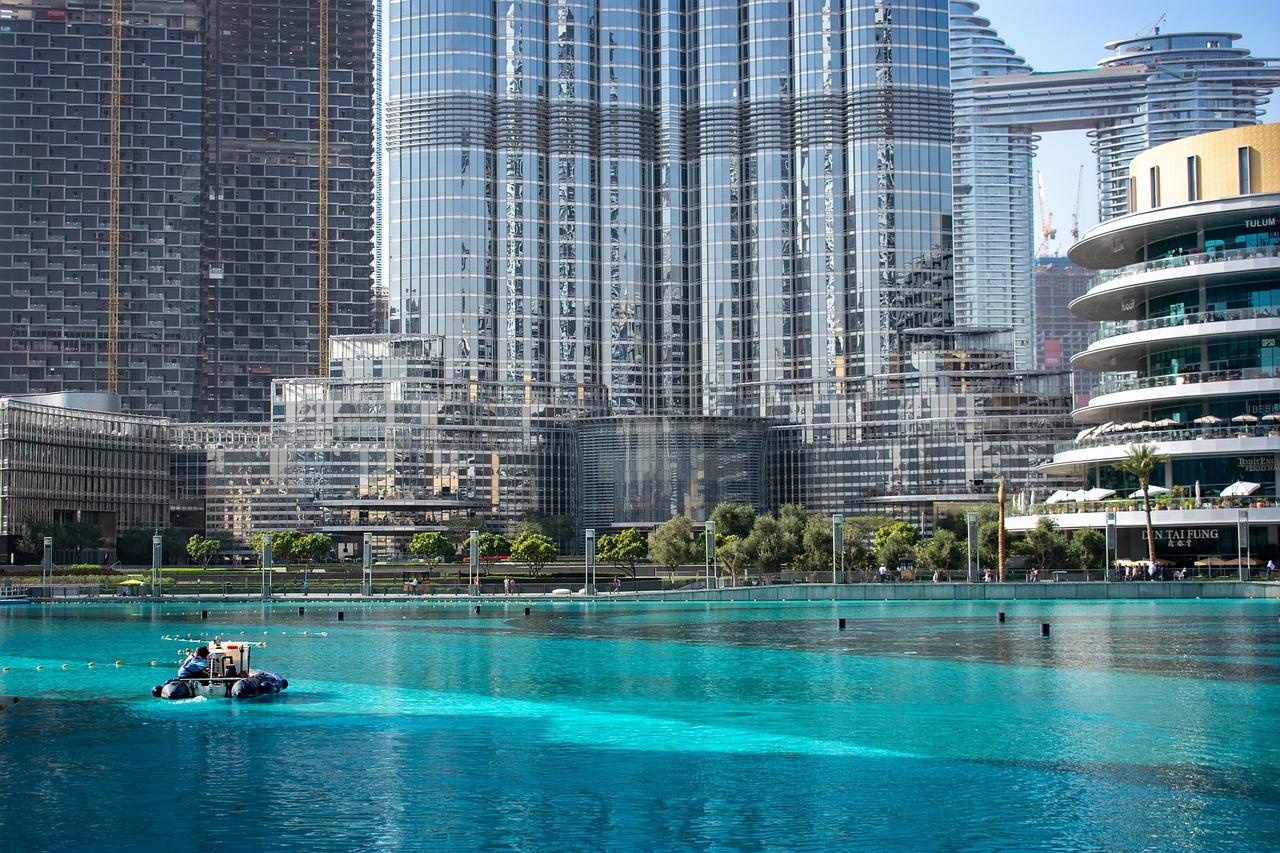

Buying property in Dubai as a foreigner is straightforward compared with many global markets but requires careful planning. Dubai allows non‑residents to own real estate in designated freehold areas, and a predictable legal framework governed by the Dubai Land Department and RERA (Real Estate Regulatory Authority) means transactions are generally transparent. The key is to understand the differences between freehold and leasehold, confirm developer credentials, and prepare for transaction costs and ongoing community fees.
This guide explains how to buy property in Dubai as a foreigner in simple, practical steps — from initial research and site visits to legal checks and title transfer — and points out common pitfalls, financing options, and location choices such as Dubai Marina, Palm Jumeirah, Downtown Dubai, and Jumeirah. If you are planning a property trip, read the “Best Tips for Planning Your Trip” section before you book your flights or hotel.
Quick Answer
Foreigners can buy property in Dubai by choosing a freehold plot or apartment in designated zones, engaging a registered agent, conducting due diligence (title, developer, service charges), arranging financing if needed, signing a sales agreement, and transferring title through the Dubai Land Department. Check current rules with official sources and use an experienced lawyer or RERA‑registered agent to avoid surprises.
Key Takeaways
- Foreign ownership is allowed in specific freehold areas; leasehold is also common in other zones.
- Do thorough due diligence on title deeds, developer history, and service charges.
- Mortgage and residency rules change — confirm with banks and the Dubai Land Department.
- Location dramatically affects rental yield, lifestyle, and resale demand.
- Plan a focused trip: viewings, meet developer/legal advisers, and local bank meetings.
Where foreigners can buy property in Dubai
Dubai permits non‑nationals to buy property in designated freehold communities. Popular freehold pockets include Dubai Marina, Palm Jumeirah, Downtown Dubai, Business Bay, some parts of Jumeirah, and newer masterplans in Dubai South and Mohammed bin Rashid City. Outside freehold zones you’ll commonly find long-term leasehold offers (e.g., 99‑year leases).
How to Buy Property in Dubai as a Foreigner: Step‑by‑Step
1. Research and shortlist neighbourhoods
Start by matching lifestyle needs and investment goals: waterfront living (Dubai Marina, Palm) for rental demand; central business areas (Downtown, DIFC) for capital value and corporate tenants; family suburbs (Arabian Ranches, Jumeirah Village) for larger villas. Look at transport links (Metro, Sheikh Zayed Road), nearby schools, and hospitals.
2. Visit Dubai and view properties
Book a focused trip to view shortlisted units. Schedule showings with RERA‑registered brokers and open houses with developers. Visit at different times of day to assess traffic, noise, and sunlight — and walk or drive around the community to get a realistic feel.
3. Check legal status and due diligence
Before signing, verify the title deed, check if the property is mortgaged, and ask for the developer’s track record. Use a Dubai‑licensed lawyer or a reputable conveyancer. Confirm service charge history and any outstanding community arrears — these recurring costs can affect rental yield and resale.
4. Decide financing: cash or mortgage?
Many buyers use a mortgage from UAE banks; foreigner eligibility varies by lender. Expect identity, income, and proof of funds documents, and ask banks about loan‑to‑value limits and interest options. If you plan to finance, get pre‑approval in advance to strengthen your offer.
5. Sign the sales agreement and pay deposit
A Memorandum of Understanding (MOU) or SPA (Sales Purchase Agreement) sets out price, payment schedule, handover date, and penalty clauses. Review all clauses with legal counsel, and pay the agreed deposit into an escrow account where applicable.
6. Transfer title at the Dubai Land Department
Title transfer is performed at the Dubai Land Department or approved trustee. Both buyer and seller (or their authorised agents) attend the transfer appointment, submit original documents, pay transfer fees, and receive the title deed. Keep copies of all documents for your records.
Costs and fees to expect when buying in Dubai
Transaction costs typically include a property transfer fee to the Dubai Land Department, agent commissions, developer handover fees, and legal or conveyancing fees. Ongoing costs include annual service charges for maintenance, utilities, and community management. These fees vary by project; request an official breakdown from the developer and the homeowners’ association.
Financing and mortgages for foreigners
Many UAE banks lend to non‑residents, but lending criteria differ from those for residents. Expect to provide proof of income, employment history, and overseas bank statements. Interest rates and required down payments can vary with nationality, loan amount, and whether you’ll obtain residency or a long‑term visa. Always check current terms with multiple lenders and consider the currency risk if your income is in a currency other than AED.
Choosing the right neighbourhood — compare options
Location drives both lifestyle and investment outcomes. Below is a simple comparison of common Dubai neighbourhood types to help narrow choices.
| Area Type | Typical Property | Who it’s best for |
|---|---|---|
| Waterfront (Marina, Palm) | Apartments, luxury hotels, high rental demand | Investors seeking rental income and lifestyle buyers |
| City Centre (Downtown, Business Bay) | High‑rise apartments, proximity to jobs | Professionals and investors targeting short‑term rentals |
| Family Suburbs (Arabian Ranches) | Villas, townhouses, gated communities | Families seeking schools and quiet living |
| New Masterplans (Dubai South) | Off‑plan launches, mixed‑use | Buyers comfortable with development timelines |
Common mistakes to avoid when buying in Dubai
- Skipping a title search or failing to confirm the developer’s reputation.
- Underestimating service charges and ongoing community fees.
- Buying off‑plan without understanding completion guarantees or escrow protections.
- Assuming residency is automatic — property ownership does not always grant a visa.
- Not checking the tax and reporting obligations in your home country.
Best Tips for Planning Your Trip to Dubai to Buy Property
Plan a trip with specialist tasks in mind: schedule viewings back‑to‑back, allow time for meetings with banks and lawyers, and visit the developer’s office and show villages. Fly into Dubai International Airport (DXB) for central access, or Al Maktoum (DWC) depending on your itinerary. Book accommodation near your target neighbourhoods to minimise travel time.
Bring original ID documents and proof of funds, and set appointments with a RERA‑registered agent and a local solicitor before you arrive. If you intend to view off‑plan projects, ask to tour model homes and see developer progress photos. Lastly, arrange travel insurance and check local visa entry requirements before you travel.
Is it worth it? Who is buying property in Dubai as a foreigner?
For many buyers the combination of clear property rules, strong rental markets in popular areas, and high‑quality developments makes Dubai an attractive option. It’s particularly suitable for investors seeking rental yield, expatriates relocating for work, and buyers wanting a second home with easy travel links across the region.
However, buying is worth it only if you do the homework: align the property choice with your investment horizon, understand costs, and verify legal protections. If you prefer low‑maintenance owning or short‑term speculation, weigh service charges and resale liquidity carefully.
Conclusion
Buying property in Dubai as a foreigner is accessible when you follow a clear process: research locations, visit in person, verify title and developer credentials, secure finance, and transfer title through the Dubai Land Department. Use a RERA‑registered agent and legal counsel, budget for both one‑off and recurring costs, and confirm regulatory or visa details with official sources before committing. With prudent planning, Dubai can offer both strong lifestyle options and solid property investment opportunities.
Frequently Asked Questions
Can a foreigner get full ownership of property in Dubai?
Yes, foreigners can obtain full ownership in designated freehold areas. Properties in these zones grant title deeds to non‑UAE nationals, but rules and available locations are set by Dubai authorities and can change, so verify current freehold maps through the Dubai Land Department.
Does buying property in Dubai give you residency?
Not automatically. Ownership alone does not always grant residency; there are separate visa programmes linked to property value and recent regulations. Check current UAE immigration and visa policies or consult a legal adviser to see if your purchase qualifies for a residency permit.
What is the difference between freehold and leasehold in Dubai?
Freehold grants perpetual ownership of the property and land in approved areas, while leasehold grants rights for a fixed term (often decades) without full land ownership. The choice affects resale, inheritance, and financing, so weigh the legal implications and confirm terms with a lawyer.
Can foreigners get a mortgage in Dubai?
Yes, many UAE banks lend to non‑residents but lending criteria differ and may require higher down payments or additional documentation. Contact several banks for pre‑approval and compare interest options and fees before committing.
How much are ongoing fees like service charges?
Service charges vary by development and cover maintenance, security, and communal services. Ask the developer or homeowners’ association for the current fee schedule and historical increases to estimate annual running costs accurately.
Is buying off‑plan safe for foreign buyers?
Off‑plan can be a good option but carries construction and delivery risks. Check escrow protections, developer track record, completion guarantees, and contract clauses for delay penalties before signing an off‑plan agreement.
Do I need a lawyer to buy property in Dubai?
While not always mandatory, using a knowledgeable Dubai property lawyer is strongly recommended. A lawyer helps review contracts, verifies title, and ensures the transaction follows local law, reducing the chance of disputes.
Where should I start if I’m serious about buying?
Begin by selecting neighbourhoods aligned with your goals, contacting RERA‑registered agents, and arranging a short fact‑finding trip. Get pre‑approval from a bank if you’ll mortgage, and engage a solicitor early for due diligence checks.